In the world of wagging tails and curious sniffs, not every dog bounds into new experiences with unbridled enthusiasm. For some, the world outside their familiar territory can be a daunting place, filled with unfamiliar sounds, scents, and sights. These are the dogs whose eyes dart nervously and whose steps are tentative, ever cautious of the unknown. As pet owners, we hold the key to unlocking their confidence, guiding them gently into the wider world with patience and understanding. In this article, we delve into the art and science of socializing a fearful dog, exploring the best techniques to ease their anxiety and help them embrace new environments. Whether you’re a seasoned dog owner or a first-time pet parent, join us on this journey of transformation, where each small step leads to a world of discovery and joy for both you and your four-legged friend.
Understanding Canine Fear and Anxiety
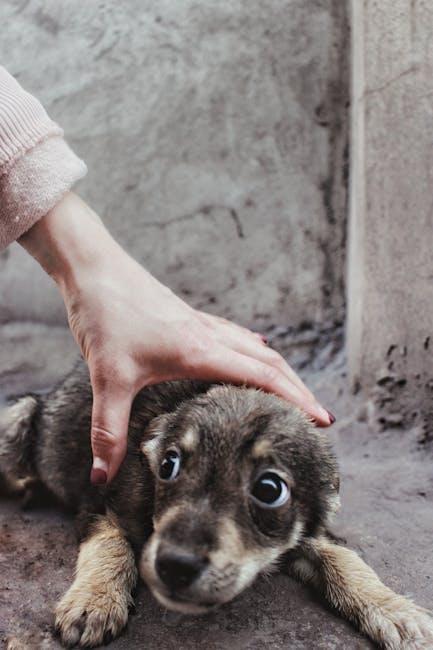
Recognizing and addressing fear and anxiety in dogs is crucial for successful socialization. Dogs, much like humans, experience a spectrum of emotions that can influence their behavior. When introducing a fearful dog to new environments, patience and understanding are key. Begin by ensuring that the environment is as calm and controlled as possible. This means choosing a quiet location initially and gradually increasing the level of stimulation as the dog becomes more comfortable.
- Start Slow: Introduce new environments in short, positive experiences. This prevents overwhelming the dog and helps build confidence over time.
- Use Positive Reinforcement: Reward calm behavior with treats, praise, or playtime. This reinforces the idea that new environments are safe and enjoyable.
- Observe Body Language: Pay close attention to signs of stress, such as tail tucking or excessive panting, and adjust the pace of introduction accordingly.
- Maintain Consistency: Regular exposure to new environments can help reduce anxiety, provided each experience is positive and within the dog’s comfort zone.
By implementing these techniques, you can help your dog gradually adjust to new surroundings, fostering a sense of security and enhancing their overall quality of life. Remember, each dog is unique, and what works for one may not work for another, so always tailor your approach to your dog’s specific needs.
Creating a Safe and Positive Introduction
Introducing your dog to new environments can be a delicate process, but with the right approach, it can become a rewarding experience for both of you. Start by choosing a location that is relatively calm and free of overwhelming stimuli. This could be a quiet park or a friend’s backyard. Familiarize your dog with the area by allowing them to explore at their own pace. Avoid forcing interactions with people or other animals; instead, let your dog take the lead in approaching when they feel comfortable.
- Use positive reinforcement: Reward your dog with treats and praise for calm behavior and curiosity.
- Bring along a favorite toy or blanket: Familiar scents can provide comfort and reassurance in new settings.
- Maintain a relaxed demeanor: Dogs are perceptive to human emotions, so staying calm can help ease their anxiety.
Remember, every dog is unique, and their comfort level will vary. Be patient and observant, adjusting the pace of exposure based on your dog’s reactions. Gradually, as they begin to associate new environments with positive experiences, their confidence will grow.

Gradual Exposure and Desensitization Techniques
When introducing a fearful dog to new environments, gradual exposure and desensitization techniques can be effective strategies to ease their anxiety. These techniques rely on the principle of slowly and gently introducing your dog to new stimuli, allowing them to become familiar and comfortable over time. Start by identifying what triggers your dog’s fear and create a list of these triggers, ranked from least to most intimidating. This methodical approach ensures that your dog isn’t overwhelmed by new experiences.
- Begin with brief and controlled exposure to the least intimidating trigger, rewarding calm behavior with treats or affection.
- Gradually increase the duration and intensity of exposure, always ensuring your dog remains relaxed.
- Incorporate positive reinforcement at each step, reinforcing the idea that new environments can be rewarding and safe.
- Allow your dog to set the pace, and avoid rushing the process, as this can lead to setbacks.
By utilizing these techniques, you create a safe and supportive environment where your dog can learn to confidently navigate new situations. This method not only helps in reducing fear but also strengthens the bond between you and your pet, as they learn to trust you in guiding them through unfamiliar territories.
Utilizing Rewards and Positive Reinforcement
When introducing your dog to new environments, it’s essential to incorporate rewards and positive reinforcement into the process. This technique not only helps in reducing anxiety but also encourages your dog to associate unfamiliar settings with positive experiences. Use treats, toys, or affection as rewards when your dog exhibits calm and confident behavior in new surroundings. The key is to ensure that these rewards are immediate and consistent, helping your furry friend build positive associations quickly.
Consider the following strategies:
- Timing: Offer rewards the moment your dog shows curiosity or calmness in the new environment. This immediate feedback strengthens the connection between the behavior and the reward.
- Consistency: Be consistent with your reinforcement. Reward your dog each time they successfully engage with or explore a new area without showing signs of fear.
- Gradual Exposure: Start with environments that are less overwhelming and gradually introduce more complex settings. Reward your dog at each step to build their confidence progressively.
By systematically applying these techniques, you can transform your dog’s apprehension into enthusiasm for new adventures, fostering a well-adjusted and sociable companion.