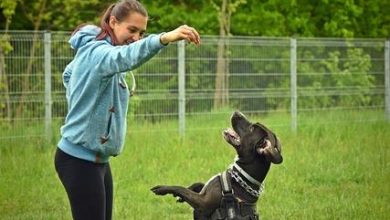
In the world of animal training, where patience meets precision, clicker training with positive reinforcement emerges as a harmonious symphony between humans and their furry companions. Imagine a world where communication transcends spoken language, where a simple “click” becomes a bridge to understanding and cooperation. This method, celebrated for its effectiveness and gentle approach, transforms training sessions into a series of rewarding experiences for both trainer and trainee. As we delve into the intricacies of clicker training, we embark on a journey to uncover how this technique can unlock the potential within our pets, fostering a bond built on trust and mutual respect. Join us as we explore the art and science of clicker training, and discover how a small device can lead to big changes in behavior and companionship.
Mastering the Basics of Clicker Training
Clicker training is a powerful tool in animal behavior modification, leveraging the principles of positive reinforcement to shape desired behaviors effectively. This method centers around using a small mechanical device that produces a distinct “click” sound, which acts as a marker to signal to your pet that they’ve performed the correct behavior. The key to mastering this technique lies in the precise timing of the click, which should occur the moment the desired behavior is exhibited. Following the click, a reward—often a treat—is given, reinforcing the behavior. This consistent pattern helps animals quickly associate the sound with a positive outcome.
- Start Simple: Begin with basic commands like “sit” or “stay” to build a foundation.
- Be Consistent: Always click at the exact moment the behavior occurs, followed by a reward.
- Keep Sessions Short: Aim for 5-10 minute training sessions to maintain your pet’s attention.
- Gradual Progression: Slowly increase the difficulty of tasks as your pet becomes more proficient.
With patience and practice, clicker training can transform your approach to teaching and bonding with your pet, making learning a fun and rewarding experience for both of you.

Creating a Positive Reinforcement Environment
Establishing an environment that encourages learning and growth is pivotal in clicker training. Begin by creating a space that is free from distractions, allowing your pet to focus solely on the task at hand. Consistency is key, so ensure that all family members or anyone involved in training uses the same cues and rewards. This harmonized approach helps prevent confusion and reinforces the desired behaviors effectively.
Incorporate a variety of rewards to maintain engagement and motivation. Consider using a mix of treats, toys, and verbal praise. Some effective strategies include:
- Using high-value treats that your pet doesn’t usually receive.
- Offering a favorite toy as a reward after a successful session.
- Providing enthusiastic verbal encouragement and petting.
Remember, the ultimate goal is to build a bond of trust and understanding between you and your pet, turning training sessions into a joyful experience for both parties.
Step-by-Step Guide to Effective Clicker Training
To start your journey with clicker training, ensure you have a clicker and some treats ready. Begin by “charging” the clicker, which means associating the sound of the click with a reward. This process is simple and involves clicking the device and immediately giving your pet a treat. Repeat this step several times until your pet starts to anticipate a reward upon hearing the click.
Once the clicker is charged, it’s time to use it in training sessions. Focus on reinforcing desirable behaviors by clicking the moment your pet performs the desired action, followed by a treat. Remember these key points:
- Timing is crucial: Click at the exact moment your pet performs the behavior.
- Consistency matters: Always follow the click with a treat to strengthen the association.
- Keep sessions short: Aim for 5-10 minute training sessions to maintain your pet’s interest.
- Patience is key: Every pet learns at their own pace, so remain patient and encouraging.

Overcoming Common Challenges in Clicker Training
Clicker training is a highly effective method, but it can come with its own set of challenges. Consistency is one of the most common hurdles. It’s essential to maintain a steady rhythm when using the clicker to ensure your pet understands the connection between the click and the reward. Try to click at the exact moment your pet performs the desired behavior to reinforce the association. Inconsistency can lead to confusion, making it difficult for your pet to learn effectively.
Another frequent issue is the timing of rewards. After clicking, the reward should follow almost immediately to reinforce the behavior. Delayed rewards might dilute the impact of the clicker training. Consider keeping treats in a convenient spot to ensure quick delivery. Additionally, some trainers might struggle with selecting the right treats. It’s important to choose something your pet finds motivating. A list of effective reinforcers includes:
- Small, soft treats
- Pieces of their favorite kibble
- Toys or playtime
- Verbal praise
By addressing these common challenges, you can create a smoother, more successful training experience for both you and your pet.