In the symphony of everyday life, the simple act of walking your dog can be a harmonious blend of exercise, exploration, and socialization. As you step out into the world, leash in hand, each walk becomes an opportunity not just for physical activity but for your furry friend to engage with the environment and its inhabitants. However, the art of socializing your dog during these daily strolls is more nuanced than it may appear. It’s about fostering confidence, encouraging positive interactions, and ensuring that each encounter contributes to your dog’s well-being. In this article, we delve into the best ways to transform your routine walks into enriching social experiences for your canine companion, creating a foundation of good manners and joyful connections.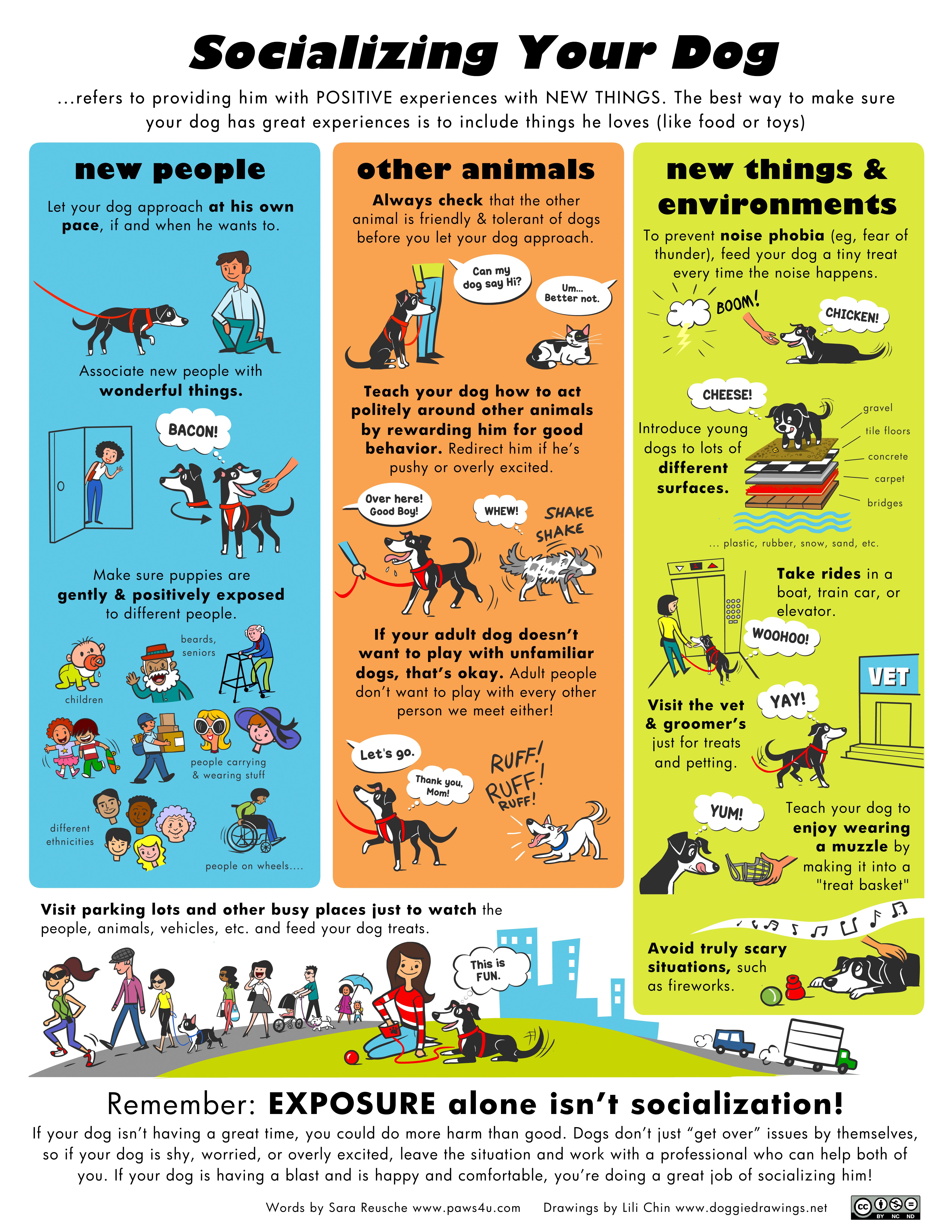
Choosing the Right Environment for Positive Interactions
When it comes to ensuring your furry friend enjoys the most enriching social experiences, selecting the perfect setting is key. Dogs, much like humans, thrive in environments where they feel safe and comfortable. Opt for parks or walking paths that are not overly crowded, allowing your dog to interact with others without feeling overwhelmed. Look for areas that provide ample space for movement, offering your pet the freedom to explore and engage at their own pace.
Consider the following tips when choosing a location:
- Calm Atmosphere: Select places with minimal noise and distractions to help your dog stay focused and relaxed.
- Varied Terrain: Choose environments that offer a mix of grass, dirt, and pavement to stimulate your dog’s senses and keep them interested.
- Dog-Friendly Zones: Look for areas that are designated for dogs, as these are more likely to attract responsible pet owners and well-socialized dogs.
By carefully selecting the right environment, you lay the foundation for positive interactions, helping your dog build confidence and develop social skills effectively.
Reading Canine Body Language to Foster Safe Socialization
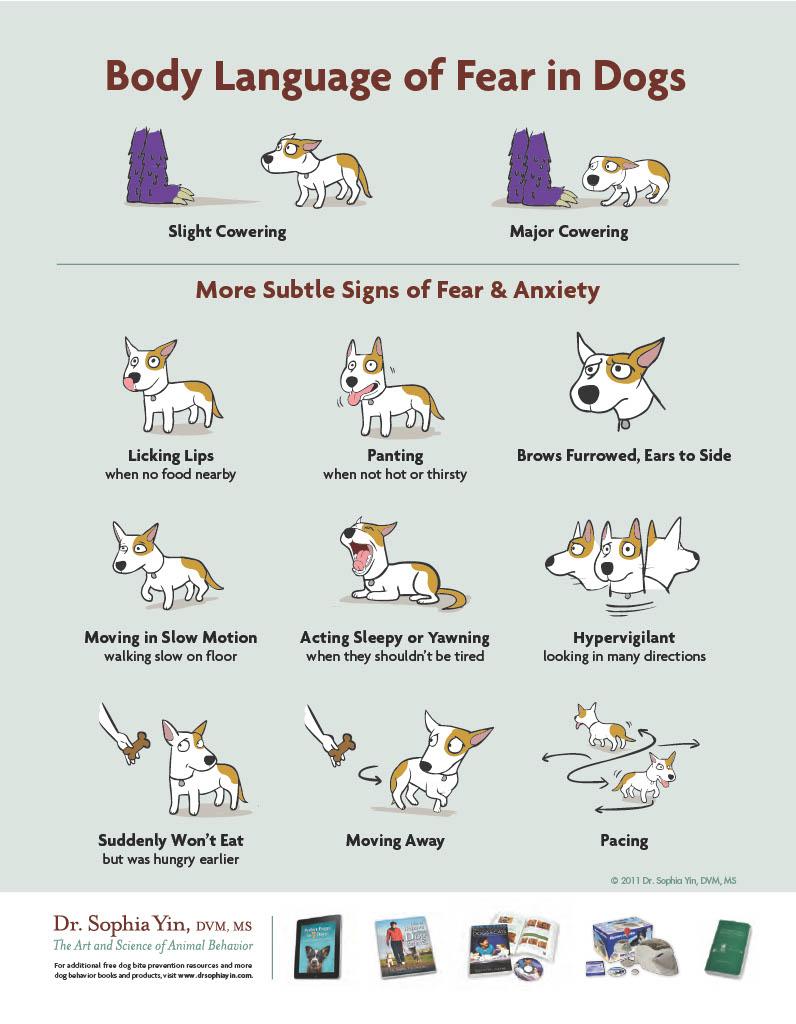
Understanding your dog’s body language is crucial for safe and positive interactions with other dogs and humans during walks. Dogs communicate primarily through their body movements and postures, which can convey everything from excitement to fear. Recognizing signs such as a wagging tail, relaxed ears, or a play bow can indicate that your dog is happy and ready to socialize. Conversely, signals like a stiff posture, tucked tail, or raised hackles may suggest anxiety or aggression. Being aware of these cues allows you to intervene appropriately, ensuring a safe environment for your dog and others.
- Tail Position: A wagging tail often signifies friendliness, but the speed and position can indicate different emotions. A high, fast wag can mean excitement, while a slow, low wag might suggest caution.
- Ear Orientation: Ears that are perked up generally show interest, whereas flattened ears can be a sign of fear or submission.
- Body Posture: A loose, wiggly body is a good sign, whereas a rigid stance may indicate discomfort or aggression.
By observing and understanding these signals, you can guide your dog through social interactions more effectively, promoting a harmonious and safe experience for everyone involved. Remember, every dog is unique, so it’s important to learn your own dog’s specific cues and comfort levels.
The Role of Consistent Routines in Building Social Confidence
Establishing consistent routines during your dog’s walks can significantly enhance their social confidence. When your dog knows what to expect, they are more likely to feel secure and less anxious about encountering new people or other dogs. Here are some effective strategies to incorporate:
- Regular Walking Schedule: Taking your dog for walks at the same time each day helps them anticipate and prepare for social interactions.
- Familiar Routes: Begin with familiar paths where your dog has had positive experiences, gradually introducing new environments as their confidence grows.
- Positive Reinforcement: Use treats and praise to reward calm behavior during interactions, reinforcing the idea that socializing is a positive experience.
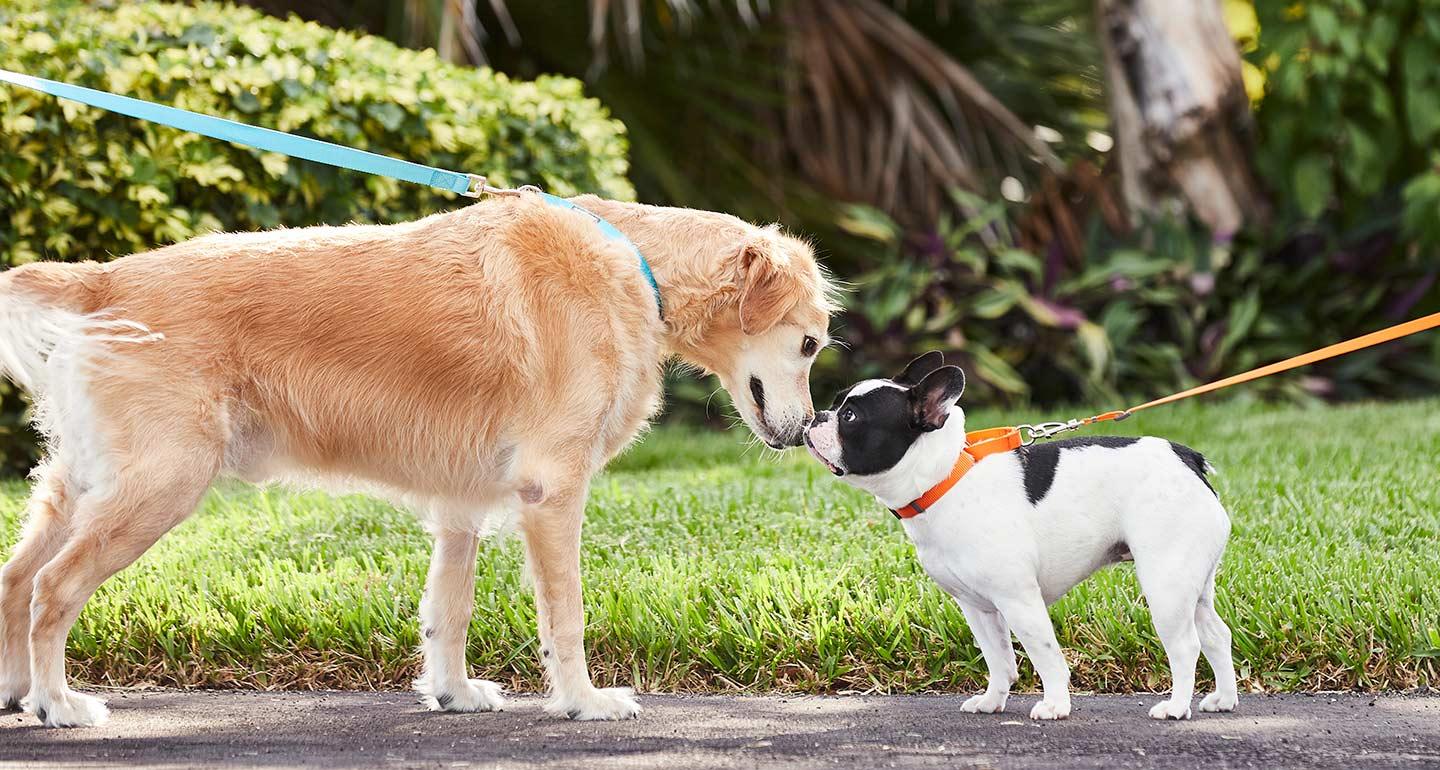
- Controlled Introductions: Allow your dog to approach new friends at their own pace, ensuring each interaction is calm and controlled.
Through these consistent routines, your dog learns to navigate social situations with ease, transforming their daily walks into a confidence-boosting activity.
Engaging with Other Pet Owners to Enhance Your Dogs Social Skills
One of the most rewarding ways to enhance your dog’s social skills is by actively engaging with fellow pet owners during your daily walks. These interactions can turn an ordinary stroll into a dynamic social experience for both you and your furry friend. Meeting other dogs and their owners provides an excellent opportunity for your dog to learn appropriate social behavior and develop confidence in different environments.
- Join Local Dog Walking Groups: Many communities have dog walking clubs or meet-ups where pet owners gather to walk their dogs together. This creates a safe and structured environment for your dog to meet new friends.
- Visit Dog-Friendly Parks: Frequenting parks where dogs are allowed off-leash can be a great way to let your dog interact freely under your supervision. Be sure to observe how your dog behaves and intervene if necessary to guide their interactions positively.
- Exchange Tips with Other Owners: Conversations with other pet owners can provide valuable insights into dog behavior and training techniques. Sharing experiences can also lead to new strategies for enhancing your dog’s social skills.
Remember, the key to successful socialization is patience and consistency. By fostering positive interactions, you’re setting the stage for your dog to become a well-rounded and socially adept companion.