In the bustling world of canine companionship, where wagging tails and playful barks fill the air, lies the art of training—a crucial yet often challenging endeavor, especially when managing more than one furry friend. Enter the transformative power of positive reinforcement, a method that not only strengthens the bond between humans and their four-legged pals but also fosters a harmonious environment for learning and growth. Imagine a symphony where each dog’s unique personality contributes to a melodious ensemble, orchestrated through rewards, encouragement, and mutual respect. This article delves into the nuances of using positive reinforcement to train multiple dogs, offering insights and strategies to cultivate a household of well-mannered and contented companions. Whether you’re a seasoned dog owner or a newcomer to the world of multi-dog households, join us on this journey to discover how positivity can unlock the full potential of your canine crew.
Mastering the Art of Rewards: Building a Foundation for Success
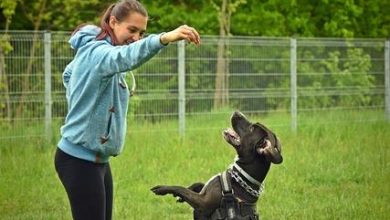
Training multiple dogs can seem like a daunting task, but the strategic use of positive reinforcement can transform chaos into a symphony of wagging tails and obedient companions. At its core, positive reinforcement involves rewarding desired behaviors, encouraging dogs to repeat these actions. The key to success lies in consistency and timing, ensuring that rewards are given immediately after the desired behavior is displayed. This method not only strengthens the bond between you and your canine companions but also fosters an environment where learning is both fun and effective.
To master this art, consider the following tips:
- Individual Attention: While training multiple dogs, it’s crucial to spend one-on-one time with each. This helps in identifying their unique triggers and motivators.
- Clear Signals: Use distinct verbal cues or hand signals for each command. Consistency in communication helps dogs understand what is expected of them.
- Variety of Rewards: Dogs, like humans, can get bored with the same old treat. Mix it up with different types of rewards such as toys, praise, or a favorite activity.
- Patience and Persistence: Remember that training is a journey. Celebrate small victories and remain patient as each dog learns at their own pace.

The Science Behind Positive Reinforcement: Why It Works for Dogs
Positive reinforcement taps into the natural learning processes of dogs by associating desired behaviors with rewarding outcomes. This method is rooted in the principles of operant conditioning, a concept developed by psychologist B.F. Skinner. By consistently rewarding dogs for specific actions, we strengthen the neural pathways that promote those behaviors. This is crucial when training multiple dogs, as it ensures each one understands the expected conduct without the confusion that may arise from punishment-based methods.
- Immediate Rewards: Timely treats or praise reinforce the behavior effectively.
- Consistency: Regular reinforcement helps in maintaining the learned behavior over time.
- Motivation: Dogs are more engaged and willing to learn when they know a reward is at stake.
When used correctly, positive reinforcement not only teaches dogs what to do but also fosters a stronger bond between them and their human companions. This bond is essential for managing a multi-dog household, where harmony and cooperation are key to a peaceful environment.
Creating Harmony: Techniques for Training Multiple Dogs Simultaneously
Training multiple dogs at once can feel like conducting a symphony, where each pup plays a unique instrument. To create a harmonious learning environment, leveraging positive reinforcement is key. This approach encourages desirable behavior through rewards, fostering an atmosphere of trust and cooperation. The beauty of positive reinforcement lies in its adaptability, allowing each dog to progress at their own pace while still maintaining a cohesive group dynamic.
- Individual Attention: While working with a group, it’s crucial to allocate time for one-on-one training. This ensures that each dog receives the personalized guidance they need to thrive.
- Consistency is Key: Consistent cues and commands across all training sessions help dogs understand expectations clearly, reducing confusion and promoting quicker learning.
- Reward Variety: Using a mix of treats, praise, and play as rewards keeps the training exciting and engaging for the dogs, preventing monotony.
- Observe and Adapt: Each dog has its own learning style. Being observant and flexible allows you to tailor the training to suit individual needs while maintaining group cohesion.
By weaving these techniques into your training sessions, you’ll be well on your way to orchestrating a harmonious household where each dog contributes to the symphony of well-behaved companionship.
Common Mistakes and How to Avoid Them: Ensuring Effective Training Sessions
When training multiple dogs using positive reinforcement, it’s easy to stumble into a few pitfalls that can hinder progress. One common mistake is failing to establish individual attention for each dog. While group sessions are convenient, ensure that each dog receives personal training time. This helps cater to their unique learning speeds and personalities. Another oversight is inconsistent rewarding. Dogs thrive on routine and predictability, so make sure that rewards are given promptly and consistently to reinforce desired behaviors effectively.
To avoid these missteps, consider the following strategies:
- Separate Training Times: Allocate specific time slots for individual training, ensuring each dog gets focused attention.
- Consistent Cues and Rewards: Use the same cues and rewards every time to build a reliable connection between behavior and reinforcement.
- Group Dynamics Awareness: Be mindful of the group dynamics during sessions, adjusting your approach if any dog appears overwhelmed or distracted.