What Drives a Pet’s Desire to Dig or Chew: A Psychological Analysis

Pets bring joy and companionship into our lives, but their behaviors can sometimes leave us puzzled, particularly when it comes to instincts/” title=”Can You Train Out a Pet's Natural Instincts”>digging and chewing. These common activities, while often amusing, can also lead to a trail of destruction in our homes and gardens. Understanding what drives a pet’s desire to dig or chew requires a closer look at the psychological factors at play. In this article, we will explore the underlying motivations behind these behaviors, delving into the instincts, environmental influences, and emotional needs that propel our furry friends to engage in these seemingly mischievous activities. By gaining insight into their world, we can better appreciate our pets’ actions and learn how to guide them toward more acceptable outlets for their natural urges. Join us as we uncover the fascinating psychology behind a pet’s desire to dig and chew, offering practical tips to help foster a harmonious coexistence.
Understanding the Instincts: Why Pets Love to Dig and Chew
At the heart of your pet’s love for digging and chewing lies a blend of instinctual behavior and psychological needs. For many pets, digging is a form of exploration and survival, a throwback to their wild ancestors who dug to find food or create shelter. In a domestic setting, this behavior can manifest when your furry friend is simply trying to make their environment more comfortable or engaging. Chewing, on the other hand, often serves as a method for dental health maintenance, stress relief, and sometimes even a sign of boredom or anxiety. Understanding these natural instincts can help pet owners create a more fulfilling environment for their companions.
- Exploration and Discovery: Pets dig to uncover new scents or objects, driven by curiosity.
- Comfort and Shelter: Digging can help them regulate temperature or create a cozy resting spot.
- Dental Health: Chewing helps in keeping their teeth clean and strong.
- Stress and Anxiety Relief: Both activities can serve as a soothing ritual.
- Play and Entertainment: Often, it’s just plain fun for them!
By recognizing these behaviors as part of their intrinsic nature, you can better address their needs with appropriate toys, activities, and training techniques. This not only nurtures their well-being but also strengthens the bond between you and your pet.

The Role of Environment: Creating a Stimulating Space for Your Pet
Pets thrive in environments that are as dynamic and engaging as their natural habitats. Creating a stimulating space for your pet can significantly reduce undesirable behaviors like digging or chewing. Animals often resort to these actions out of boredom or a need to explore their surroundings. By introducing various elements into your pet’s environment, you can satisfy their natural instincts and enhance their mental well-being.
Consider incorporating the following into your pet’s space:
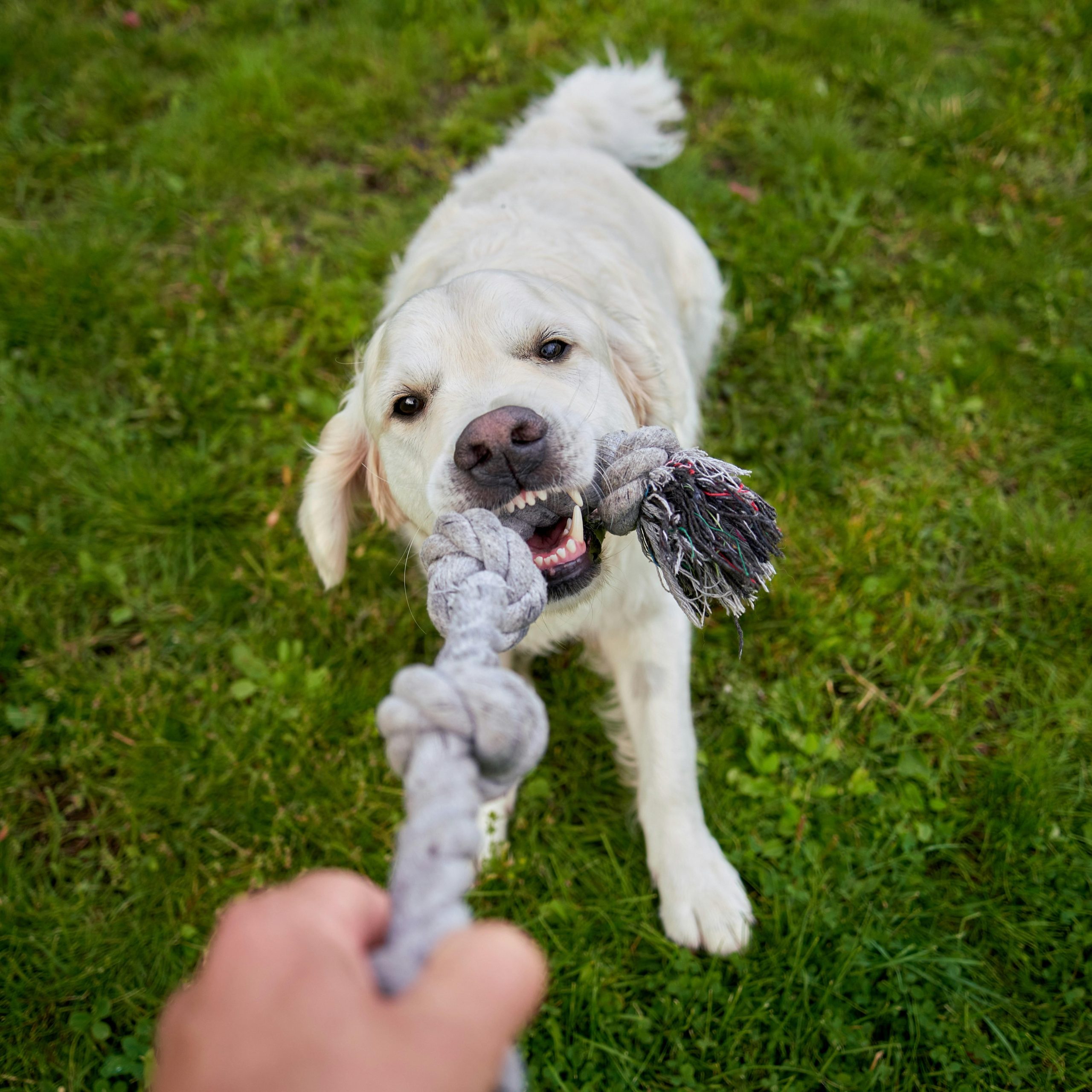
- Interactive Toys: These can range from puzzle feeders to treat-dispensing balls that challenge your pet’s intellect and keep them occupied.
- Natural Materials: Items like logs, rocks, or sandboxes mimic outdoor settings, allowing pets to scratch, dig, and chew in a controlled manner.
- Climbing Structures: For pets like cats, vertical spaces offer opportunities to explore and perch, which can reduce stress and promote physical exercise.
A thoughtfully arranged environment not only curbs destructive habits but also nurtures a happy and healthy pet. By catering to their intrinsic needs, you’re fostering a sense of fulfillment and contentment in their everyday life.

Behavioral Insights: Recognizing and Redirecting Unwanted Actions
Understanding the underlying causes of your pet’s digging or chewing habits can be pivotal in managing these behaviors. Animals often dig or chew as a way to relieve stress or anxiety, similar to how humans might bite their nails or pace when nervous. It’s essential to observe your pet’s environment and routine to identify potential stressors. For example, loud noises, lack of mental stimulation, or insufficient exercise might trigger these actions. By recognizing these patterns, you can begin to create a more calming environment for your pet, reducing their need to engage in such behaviors.
Redirecting unwanted actions involves a combination of training and environmental adjustments. Here are a few strategies to consider:
- Provide ample exercise and playtime to help your pet expend excess energy that might otherwise be directed towards destructive behaviors.
- Introduce interactive toys or puzzles that challenge your pet’s mind and offer a constructive outlet for their natural instincts.
- Create designated digging or chewing areas by providing appropriate toys or a sandbox, teaching your pet where these behaviors are acceptable.
- Employ positive reinforcement techniques to reward good behavior, gradually phasing out the need for undesirable actions.
By employing these insights and strategies, you can guide your pet towards more acceptable behaviors, fostering a happier and more harmonious home environment.
Practical Solutions: Tips for Managing and Reducing Destructive Habits
When it comes to curbing your pet’s instinctual digging or chewing, it’s essential to understand their underlying motivations. A few practical strategies can help manage these behaviors effectively. Start by ensuring your pet is physically and mentally stimulated. Boredom is a common trigger, so providing ample exercise and interactive toys can significantly reduce destructive tendencies.
- Redirect Energy: Offer alternatives such as chew toys or designated digging areas.
- Training Sessions: Incorporate positive reinforcement techniques to teach boundaries.
- Environmental Enrichment: Introduce puzzles and games that challenge your pet’s mind.
- Routine Establishment: Maintain a consistent schedule to create a sense of security.
Additionally, assess if any stressors or anxieties might be influencing your pet’s behavior. Sometimes, changes in the household or lack of social interaction can contribute to these habits. Addressing these emotional needs can lead to a more harmonious living environment for both you and your pet.