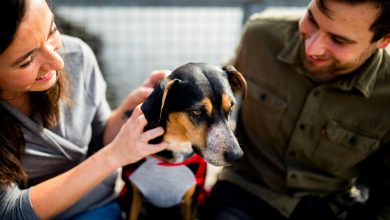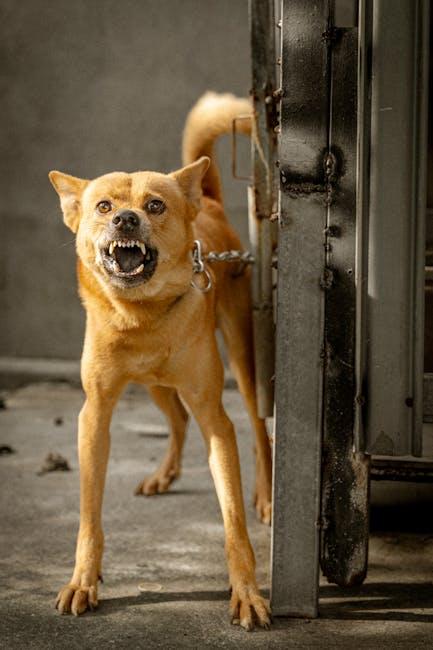
When it comes to training dogs with aggressive tendencies, the approach taken can significantly impact the effectiveness of the training and the safety of all involved. Group classes are a popular option for many dog owners seeking to address behavioral issues, offering a structured environment where dogs can learn social skills alongside obedience. However, the suitability of these classes for aggressive dogs is a topic of debate among pet owners and professionals alike. This article aims to explore the potential benefits and risks associated with enrolling aggressive dogs in group training sessions, providing guidance for owners and trainers to make informed decisions. Through a careful examination of expert opinions, case studies, and best practices, we will assess whether group classes can be a safe and effective avenue for managing canine aggression.
Understanding the Risks and Benefits of Group Training for Aggressive Dogs
Training aggressive dogs in a group setting can be both challenging and rewarding. Group training classes offer several benefits that can help mitigate aggressive behavior. Dogs are naturally social creatures, and participating in group classes provides them with a controlled environment to practice socialization. This exposure can help aggressive dogs learn to interact appropriately with other dogs and humans. Additionally, group classes are often led by professional trainers who can identify triggers and intervene before aggressive behaviors escalate. They can offer personalized advice and strategies to help manage aggression, tailored to the specific needs of each dog.
However, there are also inherent risks involved in group training for aggressive dogs. The primary concern is safety, both for the aggressive dog and for other participants. Potential risks include:
- Escalation of aggressive behavior due to overwhelming stimuli.
- Injury to other dogs or humans if aggressive episodes are not properly managed.
- Increased stress for the aggressive dog, which may exacerbate the problem.
To mitigate these risks, it’s crucial to ensure that the group class is appropriate for your dog’s level of aggression. Consider classes that are specifically designed for reactive dogs, with trainers experienced in handling such cases. Safety measures like muzzle training and controlled entry and exit procedures can also be implemented to protect all participants.
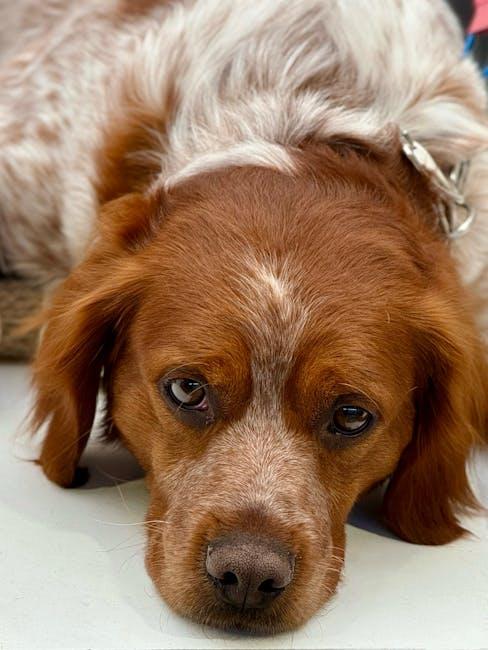
Evaluating the Suitability of Your Dog for Group Training Environments
Determining whether your dog is ready for group training sessions requires a careful assessment of their behavior and temperament. Aggression in dogs can manifest in various forms, such as fear-based reactions, dominance, or territorial instincts. Before enrolling your dog in a group class, it’s crucial to evaluate their specific triggers and how they respond to other dogs and humans in different settings. Consider the following aspects:
- Socialization History: Has your dog been adequately socialized with other dogs and people? A lack of early socialization can contribute to aggression, making group environments challenging.
- Reaction to Stimuli: How does your dog react to unfamiliar stimuli, such as loud noises, crowded spaces, or sudden movements? Understanding these reactions can help predict their behavior in a dynamic group setting.
- Training Background: What prior training has your dog received? Dogs with a foundation of obedience training may adapt more readily to group classes.
It’s often beneficial to consult with a professional dog trainer or behaviorist who can provide a comprehensive evaluation of your dog’s suitability for group training. They can offer personalized strategies to manage aggressive tendencies and improve your dog’s social skills, ensuring a safer and more productive training experience for everyone involved.
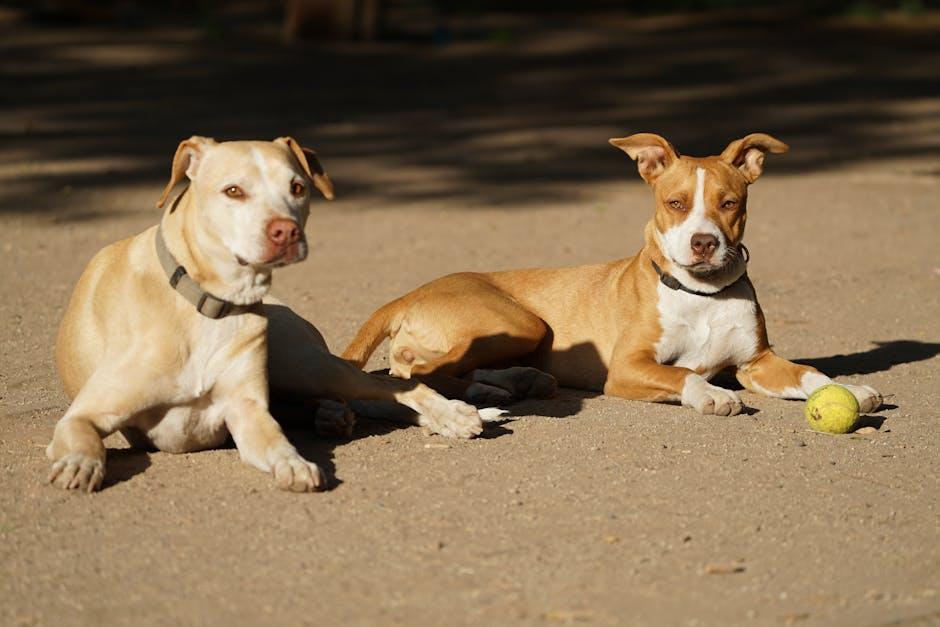
Essential Safety Measures for Conducting Group Classes with Aggressive Dogs
When working with aggressive dogs in a group setting, ensuring safety is paramount. Here are some essential measures to consider:
- Pre-Class Assessment: Conduct a thorough behavioral evaluation of each dog before they join the class. This helps identify specific triggers and aggression levels, allowing for tailored management strategies.
- Controlled Environment: Ensure the training area is secure and spacious enough to allow for safe distancing between dogs. Utilize barriers or partitions if necessary to prevent any direct contact.
- Experienced Instructors: Instructors should have extensive experience in handling aggressive dogs and be well-versed in canine body language to preemptively manage potential conflicts.
- Emergency Protocols: Establish clear emergency procedures, including the availability of safety equipment like muzzles, and ensure all staff are trained to handle aggressive incidents swiftly.
- Individual Focus: While group classes are beneficial, prioritize the individual needs of each dog, allowing for personalized interventions when required to prevent escalation of aggressive behavior.
By implementing these measures, group classes can be a safer and more productive environment for aggressive dogs, promoting positive behavior changes through structured socialization and training.
Recommendations for Selecting Qualified Trainers for Aggressive Dog Group Classes
When it comes to selecting trainers for group classes focused on aggressive dogs, it’s crucial to ensure that the trainers are not only experienced but also equipped with the right skills and knowledge. Look for trainers who have specialized certifications in canine behavior and aggression management. Certifications from reputable organizations such as the International Association of Canine Professionals (IACP) or the Certification Council for Professional Dog Trainers (CCPDT) can be strong indicators of a trainer’s qualifications.
- Experience in Handling Aggressive Dogs: Trainers should have a proven track record of working with aggressive dogs in a group setting. This experience is vital for understanding the dynamics of group interactions and preventing potential incidents.
- Use of Positive Reinforcement Techniques: Opt for trainers who emphasize positive reinforcement and humane methods. This approach not only fosters a safe learning environment but also helps in building trust with the dogs.
- Customized Training Plans: Each dog’s aggression triggers can vary; hence, trainers should be adept at creating individualized plans within the group class framework to address specific needs.
Additionally, seek feedback from previous clients or attend a trial class to observe the trainer’s methods and interaction style. A competent trainer should be transparent about their approach and open to questions from pet owners. Ensuring these criteria are met can significantly enhance the safety and effectiveness of group training classes for aggressive dogs.