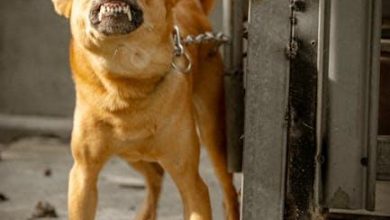
In the heart of every wagging tail and soulful gaze lies a story untold, a tapestry woven from threads of instinct, experience, and environment. Dogs, our loyal companions, often mirror the world they perceive, reflecting both its beauty and its shadows. Yet, among these cherished friends, there are those whose lives are colored by an enduring fear, a quiet apprehension that whispers through their days. The question arises: are some dogs simply too fearful to be properly socialized, or is there a path to tranquility even for the most timid of souls? This article delves into the complexities of canine fear, exploring whether nature, nurture, or perhaps a delicate dance between the two, holds sway over a dog’s ability to embrace the world with confidence. Join us as we unravel the mysteries of fear in our four-legged companions and seek to understand the boundaries of their social potential.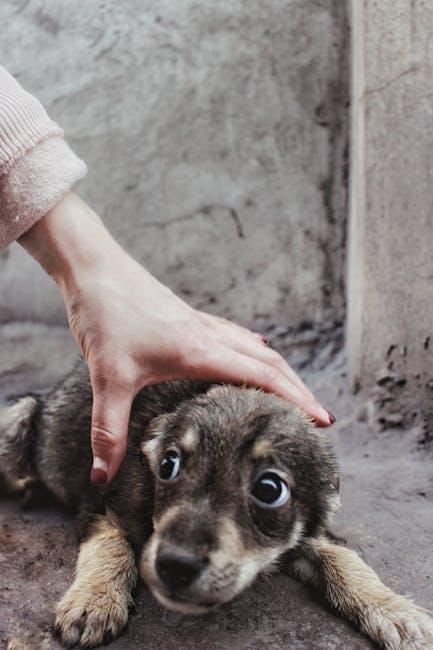
Understanding Canine Fearfulness and Its Origins
Understanding the roots of canine fearfulness is crucial for addressing the socialization challenges faced by some dogs. Various factors contribute to a dog’s fearful behavior, ranging from genetic predispositions to early-life experiences. Just as humans inherit certain traits from their parents, dogs can inherit a tendency towards fearfulness. Breeds with a naturally cautious temperament may require more targeted socialization efforts to overcome these inherent tendencies.
- Genetic factors: Some breeds are more prone to fearfulness due to their genetic makeup.
- Early experiences: Dogs that have been exposed to trauma or have had limited positive interactions with humans and other animals during their critical development periods may exhibit heightened fear.
- Environmental influences: The surrounding environment, including loud noises or chaotic settings, can exacerbate a dog’s anxiety levels.
While these elements can make socialization more challenging, they don’t render it impossible. A tailored approach that respects the dog’s individual needs and comfort levels can foster a more confident and well-adjusted companion.

Exploring the Limits of Socialization: When Fear Overpowers Training
In the world of canine companions, the journey of socialization is often seen as a path paved with patience and persistence. Yet, there are instances where fear becomes an overwhelming force, eclipsing even the most well-intentioned training efforts. Dogs that have experienced trauma or lack early positive interactions might find the world a daunting place. What happens when the usual socialization techniques fail to alleviate their fears?
It’s important to recognize that some dogs might require an alternative approach. Here are some considerations for these unique cases:
- Professional Guidance: Engaging a certified animal behaviorist can provide insights and tailored strategies.
- Gradual Exposure: Introducing new experiences slowly can help build confidence over time.
- Safe Spaces: Creating a retreat for the dog where they feel secure can be beneficial.
- Positive Reinforcement: Rewarding calm behavior can encourage bravery and resilience.
Understanding that some dogs may never fully overcome their fears is crucial. Acceptance and compassion are key in nurturing their unique personalities, allowing them to thrive in their own special way.

Strategies for Supporting Highly Fearful Dogs
When dealing with dogs that exhibit high levels of fear, it’s crucial to approach their socialization with patience and empathy. One effective strategy is gradual desensitization, which involves exposing the dog to the source of fear in a controlled and non-threatening way. Start with small, manageable experiences and gradually increase the intensity as the dog becomes more comfortable. Pairing these experiences with positive reinforcement, like treats or praise, can help create positive associations.
- Controlled Environment: Begin in a quiet, familiar setting to minimize stress.
- Positive Reinforcement: Use rewards to encourage and reward calm behavior.
- Consistent Routine: Maintain a regular schedule to provide a sense of security.
- Professional Guidance: Consider consulting a professional trainer or behaviorist for tailored advice.
- Mindful Body Language: Be aware of your own body language and tone, ensuring they convey calm and confidence.
In addition to these strategies, it’s important to build trust by respecting the dog’s boundaries and never forcing interactions. Understanding that progress can be slow is key, and celebrating small victories will help maintain motivation and reinforce positive behaviors.
Creating Safe Environments for Anxious Canines
When dealing with particularly fearful dogs, it’s essential to craft an environment where they can feel secure and begin to build trust. Creating such an environment involves understanding the specific triggers that cause anxiety and addressing them with care. Start by evaluating the dog’s living space and removing or minimizing potential stressors. This might include:
- Limiting exposure to loud noises or unfamiliar sounds.
- Providing a designated safe zone where the dog can retreat when feeling overwhelmed.
- Using calming aids, such as pheromone diffusers or weighted blankets.
Beyond physical adjustments, establishing a predictable routine can significantly reduce anxiety in dogs. Regular feeding, walking, and playtimes offer a sense of stability. Consider integrating gentle training sessions that use positive reinforcement to gradually expose the dog to new experiences. Remember, patience and consistency are key; progress may be slow, but each small victory is a step toward a more confident canine.