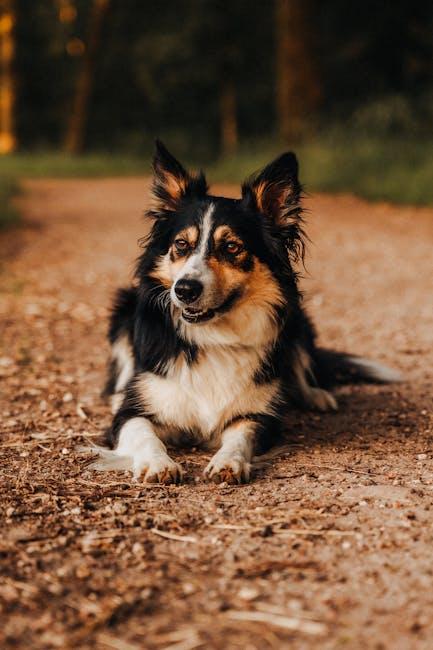
In the world of wagging tails and curious sniffs, dogs often serve as our loyal companions, bringing joy and warmth into our lives. However, the introduction of new faces into their familiar domain can sometimes turn into a challenge, both for the pet and the owner. Whether it’s a family gathering, a friendly get-together, or simply meeting the neighbor next door, ensuring a stress-free introduction for your furry friend is essential. This guide delves into the art of introducing your dog to new people, unraveling the secrets to fostering calm and positive interactions. By understanding your dog’s unique needs and signals, you can transform these encounters into delightful experiences, strengthening the bond between you and your canine companion while ensuring everyone involved feels comfortable and at ease.
Creating a Calm Environment for Initial Meetings
To ensure your dog feels at ease during their first encounter with new people, it’s essential to establish a serene atmosphere. Start by choosing a quiet, familiar space where your dog typically feels comfortable. This could be a cozy living room or a tranquil garden. Minimize distractions by turning off loud electronics and ensuring other pets or children are occupied elsewhere. It’s beneficial to introduce calming elements like soft music or diffused lavender oil, known for its soothing properties.
Consider the following tips to create a peaceful setting for introductions:
- Maintain a calm demeanor: Your dog can pick up on your emotions, so staying relaxed will help them feel more secure.
- Keep the group small: Start with just one or two people to avoid overwhelming your dog.
- Use positive reinforcement: Have treats on hand to reward calm behavior and create positive associations.
- Provide a safe retreat: Allow your dog the option to retreat to a safe space if they feel anxious.
These steps will help foster a calm environment, making the initial meeting less stressful for your furry friend.

Recognizing and Responding to Your Dogs Body Language
Understanding your dog’s body language is crucial when introducing them to new people. Dogs communicate their feelings and intentions through a variety of signals. Recognizing these cues can help prevent stress and ensure a positive interaction. Look for signs of relaxation, such as a wagging tail, soft eyes, and a relaxed posture. These indicate that your dog is comfortable and ready to meet someone new. Conversely, signs of anxiety or stress may include:
- Tucked tail
- Pinned-back ears
- Lip licking or yawning
- Avoiding eye contact
If you notice any of these stress signals, it’s important to respond appropriately. Allow your dog some space and time to adjust at their own pace. Encourage the new person to approach slowly and calmly, perhaps offering a treat to create a positive association. By being attentive to your dog’s body language, you can facilitate a smoother introduction and foster a sense of security and trust.

Engaging in Positive Reinforcement Techniques
Introducing your dog to new people can be a delightful experience when you utilize positive reinforcement techniques. Begin by ensuring your dog feels safe and comfortable. Create a calm environment by choosing a quiet, familiar space for the initial meeting. Encourage your dog with treats or their favorite toy, making the experience enjoyable and rewarding. Remember, the key is patience and consistency. Reward your dog every time they display calm behavior in the presence of a new person, reinforcing the idea that meeting new people is a positive event.
- Use high-value treats: These are special treats your dog loves but doesn’t get often, making them more motivated to behave well.
- Offer praise: A gentle, soothing voice can do wonders in calming your dog and making them feel secure.
- Keep interactions short: Initially, limit the time spent with new people to prevent overwhelming your dog.
- Observe body language: Watch for signs of stress or discomfort, such as yawning or lip licking, and adjust the situation accordingly.

Tailoring Introduction Strategies to Your Dogs Personality
Understanding your dog’s personality is key to crafting a successful introduction strategy. Each dog is unique, with their own quirks and preferences, so it’s crucial to adapt your approach accordingly. Consider these strategies based on different personality traits:
- Shy or Anxious Dogs: Allow them to approach new people at their own pace. Encourage visitors to sit down and offer a treat, letting your dog come forward when they’re ready. Avoid overwhelming them with direct eye contact or sudden movements.
- Outgoing or Energetic Dogs: These dogs might need a bit of calm before the introduction. Ensure they’ve had a good play session or a walk to burn off excess energy. Teach them to greet people politely by sitting down, rewarding them with treats and praise for good behavior.
- Independent Dogs: Give them space and time to decide when they’re comfortable engaging. Instruct visitors to ignore the dog initially, allowing your furry friend to investigate on their terms.
By aligning your introduction strategy with your dog’s personality, you create a more harmonious experience, paving the way for stress-free interactions with new people.