In the gentle twilight of their lives, older dogs often find themselves facing new horizons, each unfamiliar scent and sound a puzzle waiting to be solved. These seasoned companions, with their graying muzzles and wise eyes, carry a world of experiences but sometimes struggle to adapt to changes in their environment. Whether it’s a move to a new home, the arrival of a new family member, or even a change in routine, these shifts can be daunting for our senior furry friends. This article delves into the art of socializing older dogs, offering practical tips and insights to help them embrace new environments with grace and confidence. Join us as we explore ways to ease their transitions, ensuring their golden years are filled with comfort and joy.
Understanding the Unique Social Needs of Senior Canines
As our canine companions age, their social needs can shift in ways that might not be immediately obvious. While young dogs often thrive on excitement and novelty, older dogs may prefer more predictable interactions. However, it’s crucial to keep them engaged and socially active to enhance their quality of life. Here are some tailored socialization tips to help your senior dog adapt to new environments:
- Respect Their Pace: Older dogs may not have the same energy levels as they once did. Allow them to set the pace for social interactions and gradually introduce new experiences.
- Familiar Scents: Bring familiar items, such as a favorite blanket or toy, to new environments. These familiar scents can provide comfort and reduce anxiety.
- Gentle Exposure: Introduce them to new people or animals in a calm and controlled setting. Avoid overwhelming them with too many new faces at once.
- Consistent Routine: Maintain a consistent daily routine to provide a sense of stability. This helps them feel secure when new situations arise.
- Positive Reinforcement: Reward them with treats and affection when they handle new experiences well. Positive reinforcement encourages them to remain open to new social interactions.

Creating a Safe and Comfortable Transition for Your Older Dog
When helping your older dog acclimate to a new environment, it’s crucial to prioritize their comfort and safety. Start by introducing them to new spaces gradually. Allow them to explore one room at a time, ensuring each area is free from potential hazards such as loose wires or slippery surfaces. Make sure to include their favorite items like toys or a familiar blanket to create a sense of security.
- Familiar Scents: Bring along items from their previous environment to offer comfort through familiar smells.
- Routine Consistency: Maintain their existing feeding and walking schedules to provide a sense of normalcy.
- Gentle Exposure: Slowly introduce them to new people or pets, allowing them to approach at their own pace.
Consider using positive reinforcement to encourage exploration and adaptation. Reward your dog with treats or praise when they exhibit calm behavior in the new setting. It’s essential to remain patient and attentive to their cues, as older dogs may take longer to adjust compared to their younger counterparts. With time and gentle guidance, your older dog can comfortably settle into their new home.
Building Confidence Through Gentle Exposure and Interaction
To help your older dog acclimate to new environments, a strategy of gentle exposure combined with positive interaction is essential. Begin by introducing your dog to new settings gradually, allowing them to explore at their own pace. Start with quieter locations and gradually increase the level of activity and noise as your dog becomes more comfortable. This method helps to prevent overwhelming your furry friend and encourages a sense of security. Use treats and praise to reinforce calm behavior and to build positive associations with each new experience.
- Frequent Short Trips: Take your dog on short outings to various places, like a friend’s house or a new park, to increase their adaptability.
- Interactive Play: Engage in interactive games and activities in the new environment to distract from potential stressors and foster confidence.
- Positive Reinforcement: Reward your dog with their favorite treats or toys when they show signs of relaxation or curiosity in the new setting.
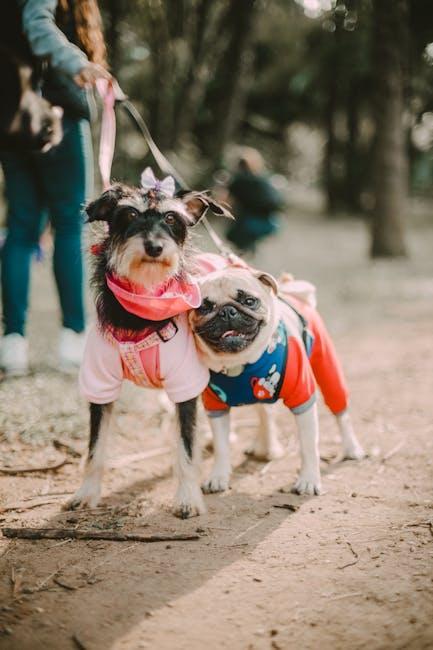
Socialization with Other Dogs: Arrange controlled playdates with well-behaved dogs to help your older pet learn social cues and build their confidence around peers. Always supervise these interactions to ensure a positive experience for all dogs involved.
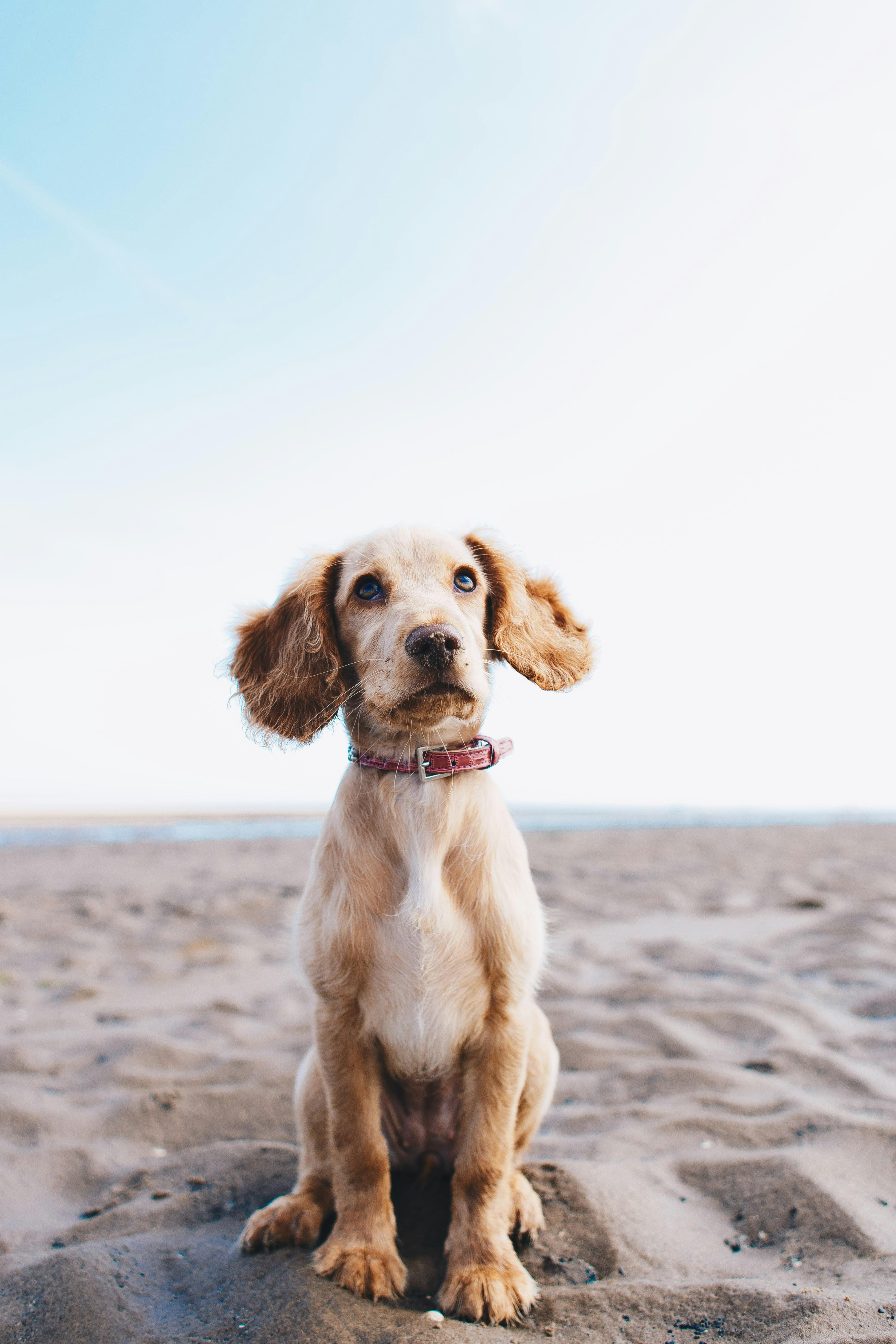
Tailoring Socialization Techniques to Suit Your Dogs Personality
Every dog is unique, and understanding your older dog’s personality is key to effective socialization. Assessing their temperament can guide you in tailoring experiences that will be both enjoyable and beneficial. For a more introverted dog, gradual exposure to new environments may work best. Start by introducing them to a quiet park or a friend’s calm home, where they can explore without feeling overwhelmed.
For more extroverted dogs, you might consider activities that offer more stimulation. Interactive playdates or visits to bustling areas can provide the social interaction they crave. Keep in mind the following tips to ensure a positive experience for your dog: