In the bustling heart of city life or the vibrant energy of a community event, our four-legged companions often find themselves enveloped in a whirlwind of sights, sounds, and scents. For many dogs, these crowded environments can be both thrilling and overwhelming, leading to unpredictable behavior that even the most devoted pet owners may struggle to manage. Understanding how to guide your dog through these social mazes is not just about obedience—it’s about building confidence and fostering a harmonious relationship between your pet and the world around them. In this article, we will explore a variety of socialization techniques designed to help your dog navigate crowded areas with ease, ensuring both you and your furry friend can enjoy these lively experiences to the fullest. Whether you’re introducing your pup to a bustling park or preparing for a family gathering, these strategies will equip you with the tools to create positive, stress-free interactions in any crowded setting.
Understanding Canine Social Cues in Busy Environments
When navigating bustling environments, it’s crucial to understand the subtle language dogs use to communicate. Canine social cues often involve a blend of body language, vocalizations, and even eye contact. Recognizing these signals can help you guide your pet more effectively. For instance, a dog may exhibit stress through behaviors like yawning, lip licking, or a tucked tail. Conversely, a relaxed posture, wagging tail, and open mouth often indicate a comfortable and happy dog. By tuning into these cues, you can anticipate your dog’s needs and adjust your approach accordingly, ensuring a smoother experience for both of you.
- Stay Observant: Keep a close eye on your dog’s body language to detect any signs of discomfort.
- Practice Makes Perfect: Regular exposure to busy settings can help your dog become accustomed to the hustle and bustle.
- Positive Reinforcement: Reward your dog with treats or praise for calm behavior in crowded spaces.
- Safe Space: Allow your dog to retreat to a safe spot if they feel overwhelmed.
By integrating these techniques, you can help your dog build confidence and improve their social skills, making outings more enjoyable for everyone involved.
Strategies for Gradual Exposure and Desensitization
Helping your dog feel comfortable in bustling environments requires patience and a strategic approach. Begin by introducing your furry friend to less crowded settings, such as a quiet park or a low-traffic street. Gradually increase the level of activity by visiting slightly busier areas, allowing your dog to adjust at their own pace. Pay close attention to their body language to ensure they remain calm and relaxed.
- Short Sessions: Start with brief outings and gradually extend the duration as your dog becomes more accustomed to the environment.
- Positive Reinforcement: Reward your dog with treats and praise for displaying calm behavior in these settings.
- Consistent Routine: Establish a regular schedule for these outings to build familiarity and confidence.
- Controlled Distance: Maintain a comfortable distance from large crowds initially, reducing it slowly as your dog gains confidence.
By following these steps, you’ll be setting a solid foundation for your dog’s social skills, making crowded areas less daunting and more enjoyable for both of you.
Utilizing Positive Reinforcement to Encourage Calm Behavior
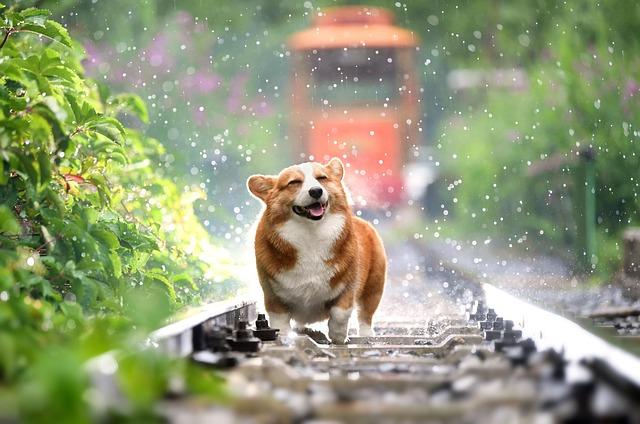
When training your dog to remain composed in bustling environments, positive reinforcement can be a game-changer. This approach focuses on rewarding desirable behaviors, thereby encouraging your furry friend to repeat them. Patience and consistency are key. Every time your dog stays calm amidst the chaos of a crowded area, reward them with a treat, praise, or affection. Over time, your dog will associate these bustling scenarios with positive outcomes, making them less likely to feel stressed or anxious.
- Treats: Small, high-value treats can be a great motivator for your dog. Choose something they don’t usually get at home.
- Praise: A simple “good job” or a gentle pat can go a long way in reinforcing calm behavior.
- Play: Engage your dog in a favorite game or activity after a successful socialization outing.
Consistency is crucial. Make sure everyone in your household follows the same rewarding protocol to prevent confusion. By making positive reinforcement a regular part of your training routine, you’ll help your dog navigate crowded spaces with confidence and ease.
The Role of Consistent Training in Managing Overstimulation
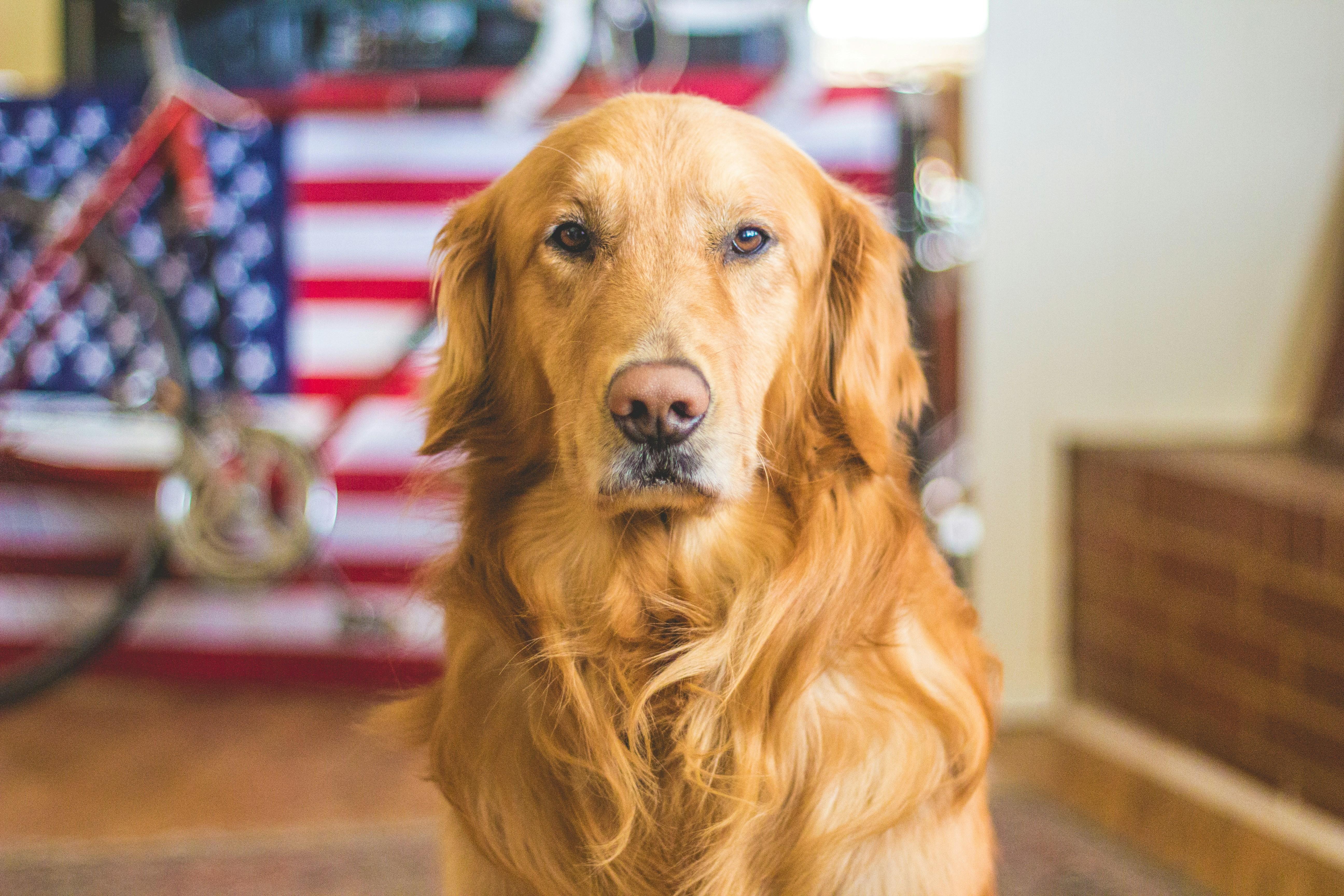
Incorporating consistent training into your dog’s routine can be a game-changer when it comes to managing overstimulation, especially in bustling environments. Dogs, much like humans, thrive on routine and predictability. By engaging in regular training sessions, you create a familiar framework that helps your dog navigate the complexities of crowded spaces. These sessions should include exercises that focus on impulse control, such as the “sit” and “stay” commands, which are particularly useful in high-energy situations.
- Repetition and Consistency: Regular practice reinforces learning and helps your dog become more comfortable and confident in diverse settings.
- Structured Environment: Training provides a controlled environment where your dog can safely experience stimuli without becoming overwhelmed.
- Positive Reinforcement: Use treats and praise to reward calm behavior, reinforcing the idea that remaining composed in crowded areas leads to positive outcomes.
By embedding these techniques into your dog’s daily life, you not only manage overstimulation but also foster a sense of security and trust. This, in turn, can significantly improve their behavior when navigating crowded areas.