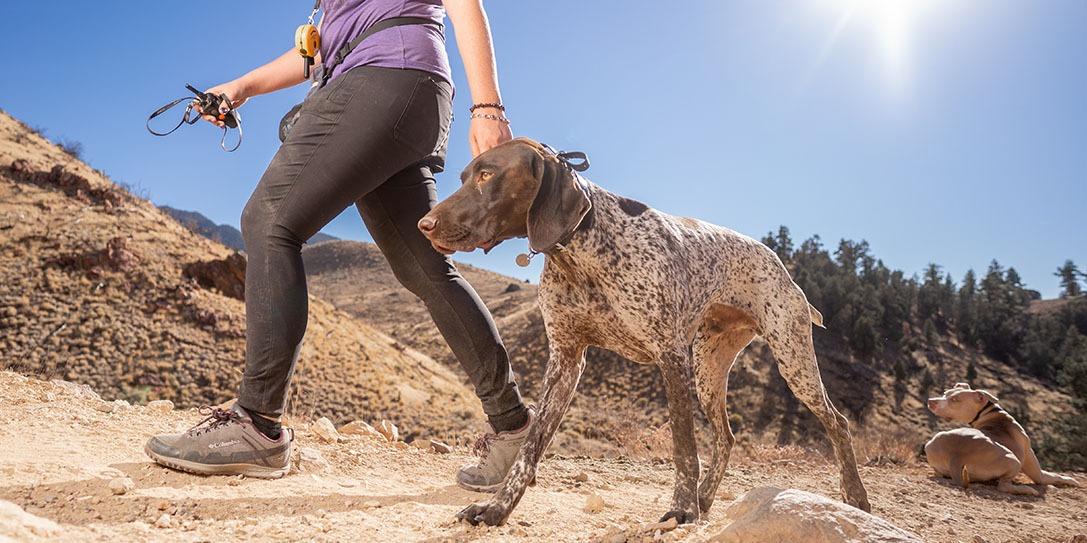
Training a dog to remain focused and obedient while off-leash is a crucial skill for any dog owner. Whether you’re strolling through a bustling park or exploring serene hiking trails, the ability for your dog to ignore distractions and respond to your commands can ensure their safety and enhance your mutual enjoyment of outdoor adventures. This article provides a step-by-step guide on how to cultivate this essential skill in your canine companion. By understanding the underlying principles of canine behavior and employing consistent, positive reinforcement techniques, you can effectively train your dog to resist the lure of distractions and remain attentive to your guidance. Whether you’re a novice or experienced dog owner, these strategies will help you and your dog navigate the world with confidence and ease.
Understanding Your Dogs Distraction Triggers
Identifying what specifically draws your dog’s attention away is crucial in shaping effective training methods. Dogs can be distracted by a myriad of stimuli, each varying in intensity and impact. Common triggers include:
- Sights: Moving objects like bicycles, other animals, or people.
- Sounds: Loud noises, unfamiliar voices, or high-pitched sounds.
- Scents: New or enticing smells, which can be irresistible to their keen noses.
- Social Interaction: Other dogs, humans, or any opportunity for play.
To effectively train your dog, observe which of these triggers elicit the strongest response. This understanding allows you to tailor training sessions, gradually introducing these distractions in controlled environments. By recognizing and systematically desensitizing your dog to these stimuli, you can enhance their focus and ensure they remain attentive, even when off-leash.

Implementing Consistent Training Techniques
To cultivate a dog’s ability to stay focused even amidst distractions, consistency is key. Start by establishing a routine that incorporates regular training sessions. These should be short yet frequent to maintain your dog’s interest and reinforce learning. In each session, use the same commands and gestures to prevent confusion. Consistency in these elements will help your dog recognize patterns and understand expectations, making it easier for them to comply when off-leash.
- Use the same training location initially: This familiar environment reduces the number of variables your dog must process.
- Introduce distractions gradually: Begin with minimal distractions and increase complexity as your dog demonstrates improved focus.
- Maintain a calm demeanor: Dogs are sensitive to human emotions; a consistent, calm presence helps them stay relaxed and attentive.
- Reinforce with rewards: Consistent use of rewards, whether treats or praise, helps reinforce positive behavior.
By sticking to these consistent techniques, you lay a solid foundation that encourages your dog to focus and follow commands, even when off-leash and surrounded by potential distractions.

Utilizing Positive Reinforcement Strategies
Positive reinforcement is a powerful tool in dog training, especially when teaching your dog to ignore distractions while off-leash. By rewarding desired behaviors, you can encourage your dog to focus on you, even in the presence of enticing distractions. Here are some strategies to effectively use positive reinforcement:
- High-Value Treats: Always carry a variety of high-value treats that your dog finds irresistible. These should be reserved specifically for training sessions and moments when your dog successfully ignores distractions.
- Consistency: Be consistent with your rewards. Each time your dog responds correctly, immediately reward them. This helps to strengthen the association between the behavior and the reward.
- Gradual Increase in Difficulty: Start training in a controlled environment with minimal distractions. Gradually introduce more challenging distractions as your dog becomes more reliable.
- Marking the Behavior: Use a clicker or a specific word like “yes” to mark the moment your dog ignores a distraction. This will help them understand exactly what behavior is being rewarded.
- Vary the Rewards: Occasionally surprise your dog with a toy or extra playtime in addition to treats. This keeps the training exciting and reinforces the positive behavior.
By incorporating these techniques, you can build a strong foundation of trust and communication, making off-leash adventures more enjoyable and safe for both you and your dog.
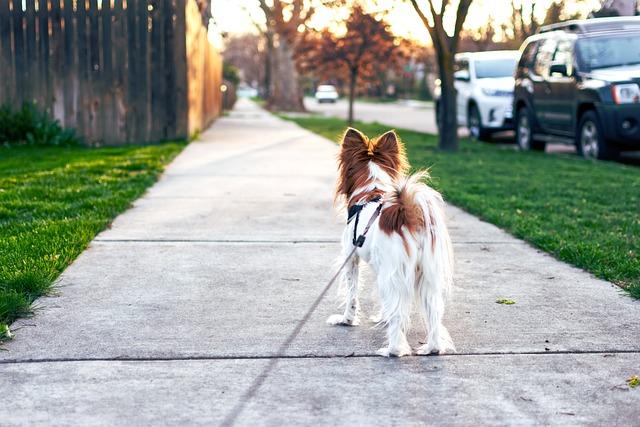
Gradually Increasing Off-Leash Exposure
Once your dog has mastered basic commands and demonstrated good behavior on a leash, it’s time to gradually introduce them to off-leash environments. Begin in a secure, fenced area where distractions are minimal. This could be your backyard or a local dog park during quiet hours. As your dog becomes more comfortable, gradually increase the level of distractions. Introduce new environments slowly and always maintain a positive atmosphere. Consistency and patience are key; ensure each session ends on a positive note to build confidence.
- Start in a controlled environment.
- Gradually introduce mild distractions.
- Ensure the area is secure and safe.
- Always reinforce positive behavior with treats or praise.
As your dog becomes accustomed to new environments, increase the complexity of distractions. This can include other dogs, people, or noises. If your dog becomes overwhelmed, take a step back to a more familiar setting and gradually work up again. Repetition helps your dog understand that distractions do not mean they can ignore commands. Remember, the goal is to create a reliable recall response even amidst tempting distractions.