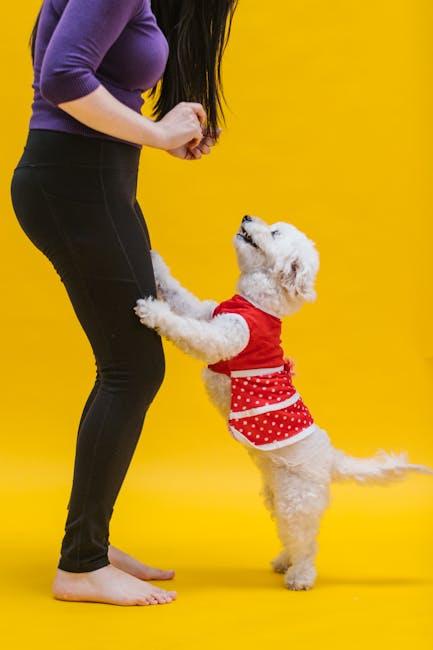
In the symphony of canine communication, barking often takes center stage, serving as both an expression of joy and a signal of distress. Yet, when this vocalization becomes excessive, it can transform from a charming quirk into a persistent challenge. Enter the world of positive reinforcement training, a method that harmonizes the art of understanding with the science of behavior. By shifting the focus from reprimand to reward, this approach not only curbs incessant barking but also strengthens the bond between you and your four-legged companion. In this article, we will explore the nuances of positive reinforcement, offering practical insights into how this gentle technique can turn the volume down on barking, creating a more peaceful coexistence for all.
Understanding the Basics of Positive Reinforcement Training
Positive reinforcement training is a compassionate and effective method that revolves around rewarding desired behaviors to encourage their recurrence. When addressing excessive barking, this approach can be particularly beneficial. By focusing on rewarding silence or calm behavior, you can teach your dog to associate quiet moments with positive outcomes. Here are some key principles to keep in mind:
- Consistency is crucial: Ensure everyone in the household is on the same page, rewarding the dog for quiet behavior and ignoring excessive barking.
- Immediate rewards: Provide treats or praise as soon as the dog exhibits the desired behavior to strengthen the connection between the action and the reward.
- Understand the triggers: Identify what causes your dog to bark and work on reducing exposure or gradually desensitizing them to these triggers.
- Use a variety of rewards: Mix treats, toys, and verbal praise to keep your dog engaged and motivated.
By employing these strategies, you can effectively utilize positive reinforcement to not only reduce barking but also build a stronger bond with your canine companion. Remember, patience and persistence are key in transforming barking habits into more peaceful behaviors.

Identifying Triggers and Setting Realistic Goals
Understanding what triggers your dog’s barking is the first step towards effective positive reinforcement training. Begin by observing your dog closely to identify patterns. Do they bark at the sound of the doorbell, the sight of other dogs, or when left alone? Once you pinpoint these triggers, you can start addressing them directly. Consider creating a list of potential triggers to help organize your observations:
- Environmental Sounds: Doorbells, alarms, or passing vehicles.
- Visual Stimuli: Other animals, unfamiliar people, or shadows.
- Emotional States: Anxiety, boredom, or excitement.
After identifying the triggers, it’s crucial to set realistic goals for reducing your dog’s barking. Start small and focus on one trigger at a time. For instance, if your dog barks at the doorbell, aim to reduce barking by half within the first month. Gradually increase the difficulty as your dog begins to respond positively to training. By setting achievable goals, you maintain a sense of progress and motivation, both for you and your canine companion. Remember, patience and consistency are key to successfully implementing positive reinforcement techniques.
Choosing the Right Rewards for Effective Training
Identifying the right rewards is pivotal in shaping your dog’s behavior through positive reinforcement. Tailor the rewards to your dog’s preferences to ensure maximum motivation. Some dogs are driven by food, while others might respond better to toys or affection. Observe your dog’s reactions to different rewards to discern what excites them the most. Once you’ve identified their favorite, use it strategically during training sessions to encourage desired behaviors, such as reducing excessive barking.
Here are some ideas for effective rewards:
- Treats: Choose healthy, bite-sized snacks that your dog loves.
- Toys: Introduce a new toy or use a favorite one as a reward.
- Praise: Offer enthusiastic verbal praise or a gentle pat.
- Playtime: A quick game of fetch or tug-of-war can be a great incentive.
- Walks: A short walk or a sniffing adventure can serve as a powerful motivator.
Consistency is key in using rewards effectively. Ensure that your dog associates the reward with the specific behavior you want to encourage. Over time, this will help in minimizing undesirable actions like excessive barking, creating a harmonious environment for both you and your furry friend.
Consistency and Patience: Keys to Long-Term Success
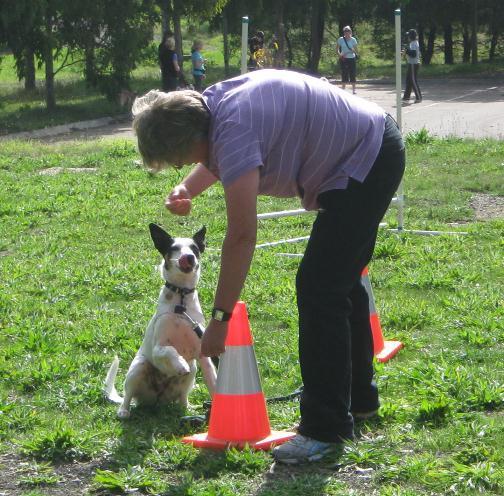
In the journey to curbing excessive barking, two attributes stand out as vital companions: consistency and patience. Training your dog using positive reinforcement requires a steady commitment to routine and an understanding that progress may be gradual. Establish a clear set of commands and rewards that remain unchanged across training sessions. This stability helps your dog to clearly associate desired behavior with positive outcomes.
Patience is equally important, as each dog learns at its own pace. Remember that change doesn’t happen overnight. Celebrate small victories along the way to maintain motivation for both you and your furry friend. To aid in this process, consider incorporating the following strategies:
- Utilize treats or favorite toys as rewards for quiet behavior.
- Implement short, consistent training sessions daily.
- Gradually increase the duration of quiet time required before a reward is given.
By weaving these principles into your training routine, you’re more likely to see lasting results and a harmonious home environment.