
In the realm of canine companionship, few challenges are as daunting and potentially dangerous as the instinctive urge of some dogs to chase cars. This behavior not only poses a significant risk to the dog’s safety but also to the well-being of drivers and pedestrians. Understanding the underlying causes and implementing advanced behavior training techniques can transform this perilous habit into a manageable and controlled response. This article delves into the complexities of car-chasing behavior, offering a comprehensive guide to effective training strategies that prioritize safety and reinforce positive behavior. By exploring a combination of behavioral science principles and practical training methods, dog owners can equip themselves with the tools necessary to curb this instinctual chase, ensuring a safer environment for both their furry friends and the community at large.
Understanding the Instincts Behind Car-Chasing Behavior
At the heart of a dog’s car-chasing habit lies a complex tapestry of instincts that have been honed over centuries. Primarily, this behavior is rooted in the prey drive, an instinctual urge to pursue moving objects. For many dogs, the sight of a fast-moving car triggers the same response as a fleeing animal in the wild. This drive is more pronounced in certain breeds, particularly those with a history of hunting or herding. Additionally, territorial instincts can play a significant role. Dogs may perceive a car as an intruder, leading them to chase it away in an effort to protect their domain. Understanding these instinctual triggers is crucial for effective behavior modification.
Beyond these primal instincts, several other factors can contribute to this behavior. Consider the following:
- Environmental stimulation: Dogs often chase cars out of sheer boredom or lack of mental stimulation.
- Learned behavior: Past experiences, such as positive reinforcement from chasing a car, can reinforce this habit.
- Anxiety and stress: Some dogs may chase cars as a way to release pent-up energy from stress or anxiety.
By identifying and understanding these underlying causes, dog owners can tailor their training methods to effectively curb car-chasing tendencies.
Effective Techniques for Redirecting Your Dogs Attention
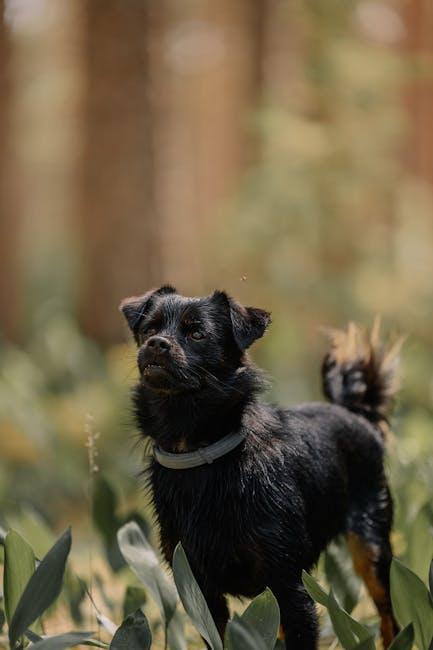
To effectively redirect a dog’s attention away from chasing cars, employing a mix of focused techniques can be highly beneficial. Start by introducing high-value treats as a reward for responding to your commands, helping to build a strong association between listening and positive outcomes. Consistency is key; practice the “look” or “watch me” command regularly, ensuring that your dog learns to shift focus from distractions to you.
- Engage with Toys: Introduce interactive toys or games during walks. A favorite toy can serve as an excellent distraction, diverting attention from moving vehicles.
- Training in Controlled Environments: Begin training in a quiet, controlled setting before gradually introducing more challenging environments with traffic.
- Use of Sound Cues: Implement a unique sound, like a clicker or a whistle, to signal your dog to focus on you.
- Leash Techniques: Utilize a short leash to maintain control and gently guide your dog away from cars, encouraging them to focus on you instead.
Incorporating these techniques into daily training sessions not only strengthens your dog’s ability to resist the impulse to chase but also enhances overall obedience and safety during walks.
Building a Safe Environment to Prevent Car-Chasing Incidents
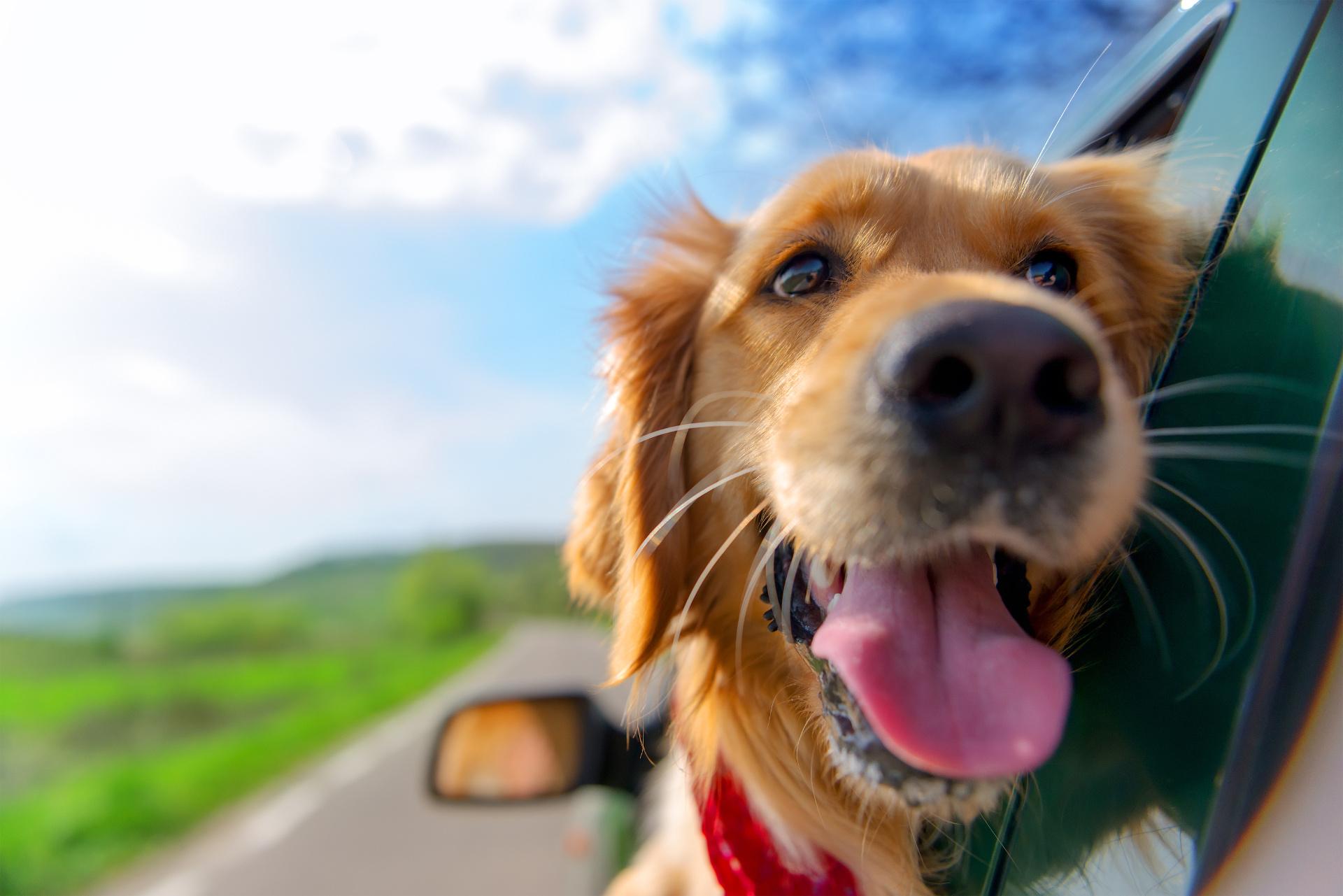
To ensure a safe environment that minimizes the risk of car-chasing incidents, it’s essential to incorporate strategic measures within your dog’s surroundings. Fencing is a fundamental aspect, as it creates a physical barrier between your dog and potential hazards. Consider using tall, sturdy fences that are not easily jumped over or dug under. Regularly inspect these barriers for any signs of wear or damage that could provide an escape route.
Beyond physical barriers, implementing behavioral deterrents can be highly effective. Consider the following strategies:
- Consistent supervision: Always keep an eye on your dog when they are outside, especially if they are known to have a strong prey drive.
- Interactive toys and activities: Provide engaging toys or activities that keep your dog mentally and physically stimulated, reducing their urge to chase.
- Positive reinforcement training: Reward your dog for calm behavior when cars pass by, reinforcing the idea that staying calm is beneficial.
Incorporating these elements not only helps in preventing car-chasing incidents but also contributes to a more harmonious and secure environment for your dog.
Incorporating Positive Reinforcement in Advanced Training Sessions
To enhance your dog’s learning process during advanced behavior training sessions, integrating positive reinforcement can be a game-changer. This method not only encourages desired behaviors but also strengthens the bond between you and your furry friend. Start by identifying the specific behaviors you want to reinforce. When your dog successfully avoids chasing cars, immediately reward them with their favorite treat or praise. This immediate reward helps them associate the act of not chasing with something positive. Use a consistent marker, like a clicker or a verbal cue such as “yes,” to signal the exact moment they perform the desired behavior.
- Timing is crucial: Deliver rewards promptly to reinforce the correct behavior.
- Consistency matters: Use the same cues and rewards to prevent confusion.
- Vary rewards: Keep your dog motivated by mixing up treats, toys, and praise.
- Gradually increase challenges: Once basic behavior is mastered, introduce distractions in a controlled environment to test their response.
By applying these techniques, you create a learning environment where your dog feels motivated and eager to comply. Positive reinforcement transforms training from a task into an enjoyable and rewarding experience for both of you.