
In multi-pet households, harmonious coexistence among animals is a common goal for pet owners, yet achieving this balance can often be challenged by dominance behaviors. Such behaviors, if left unaddressed, can lead to conflicts, stress, and an unhealthy living environment for both pets and their human companions. Understanding and correcting dominance behavior is crucial to fostering a peaceful and cooperative atmosphere. This article aims to provide pet owners with practical insights and effective strategies for managing and mitigating dominance issues, ensuring that each animal feels secure and valued within the household. By exploring the root causes of dominance behavior and offering step-by-step guidance, we hope to equip you with the knowledge necessary to promote a harmonious multi-pet home.
Understanding Dominance Behavior in Multi-Pet Households
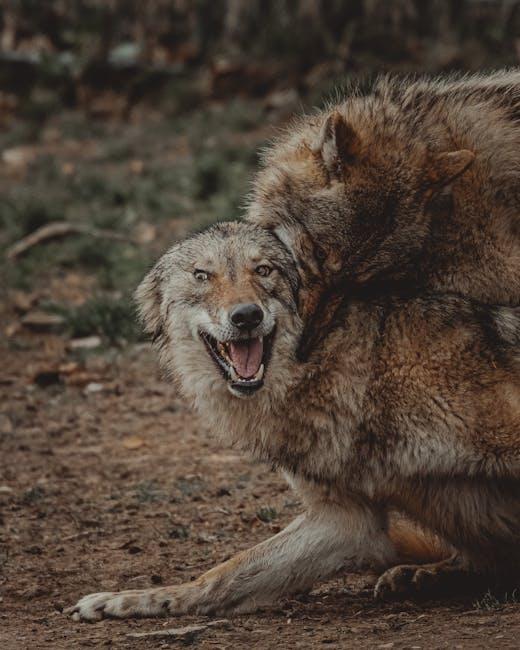
In multi-pet households, it’s not uncommon to observe dominance behavior, which can manifest in various forms such as territorial aggression, resource guarding, or hierarchical posturing. Understanding these behaviors is crucial for maintaining harmony among your pets. Dominance does not equate to aggression, but it often arises from a natural inclination to establish a social hierarchy. To identify dominance behavior, watch for signs such as one pet consistently leading during walks, taking control of shared spaces, or being the first to eat. Recognizing these subtle cues can help in addressing potential conflicts before they escalate.
Addressing dominance behavior requires patience and a strategic approach. Consider implementing the following strategies:
- Establish clear boundaries: Use consistent rules and routines to help your pets understand their place in the household hierarchy.
- Provide individual attention: Ensure each pet receives personal time and attention to reduce competition for your affection.
- Manage resources wisely: Separate feeding areas and provide multiple water bowls to minimize resource guarding.
- Encourage positive interactions: Use rewards and positive reinforcement to promote cooperative behaviors among your pets.
By creating an environment where each pet feels secure and respected, you can mitigate dominance issues and foster a peaceful multi-pet home.

Identifying the Root Causes of Dominance Issues
Understanding the underlying causes of dominance issues in multi-pet households is crucial for maintaining harmony. These behaviors can often stem from a variety of sources. Environmental factors play a significant role; overcrowded living spaces, limited resources like food or toys, and lack of personal territory can all lead to dominance struggles. Additionally, health issues may exacerbate such behaviors. A pet experiencing pain or discomfort might react more aggressively towards its companions.
Social dynamics also contribute significantly to dominance behavior. Pets, much like humans, have unique personalities, and certain combinations may lead to power struggles. Age and experience differences can lead to older or more seasoned pets asserting dominance over younger or new additions to the household. Recognizing these root causes can help in crafting a strategy to address and mitigate dominance issues effectively.
- Environmental factors: Overcrowding, resource scarcity
- Health issues: Pain, discomfort
- Social dynamics: Personality clashes, age differences
Implementing Effective Training Techniques to Mitigate Dominance
One of the most crucial aspects of fostering harmony in a multi-pet household is ensuring that each pet receives individualized attention and training. Begin by establishing clear boundaries and routines, as consistency is key. Positive reinforcement is an effective training technique that encourages desirable behavior by rewarding pets with treats, affection, or playtime. This approach helps in building a sense of security and trust among your pets.
- Identify triggers: Observe interactions to understand what might be causing dominance behaviors.
- Separate feeding areas: Ensure each pet has its own space to eat without feeling threatened.
- Engage in group activities: Introduce games that require cooperation, like fetch or hide and seek, to promote teamwork.
- Use time-outs: If a pet displays dominance, a brief time-out can help them learn boundaries.
It is essential to monitor the progress of each pet and adjust strategies as needed. Regularly consulting with a professional trainer can also provide tailored guidance to address specific issues. Through patience and consistency, you can cultivate a peaceful and balanced environment for all your furry companions.

Creating a Balanced Environment for Harmonious Coexistence
In households where multiple pets share a living space, ensuring each animal feels safe and valued is crucial. Dominance behaviors, such as resource guarding or territorial aggression, can disrupt this delicate balance. To mitigate these issues, it is essential to establish clear boundaries and provide each pet with their own designated areas and resources.
- Separate Feeding Areas: Allocate specific feeding spots for each pet to minimize competition and stress during meal times.
- Individual Attention: Spend quality time with each pet individually, reinforcing their unique bond with you and reducing jealousy.
- Enrichment Activities: Engage pets in stimulating activities that cater to their natural instincts, such as interactive toys or puzzle feeders.
- Training and Socialization: Implement consistent training sessions that encourage positive behavior, along with supervised socialization to foster friendly interactions.
By fostering an environment that respects each pet’s needs and promoting positive interactions, pet owners can effectively correct dominance behaviors, paving the way for a harmonious and balanced household.