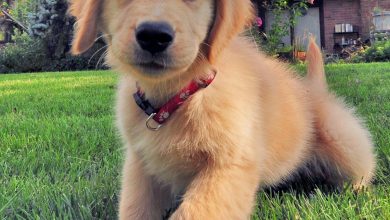
Welcoming a new puppy into your home is an exciting and joyous occasion, but it also comes with its own set of challenges, particularly when it comes to housebreaking. Successfully teaching your furry friend where and when to do their business is a crucial first step in ensuring a harmonious living environment. With the right techniques and a little patience, you can set the foundation for a well-behaved and happy pup. In this article, we’ll explore proven methods and practical tips to help you navigate the housebreaking process with ease. Whether you’re a first-time puppy parent or looking to refresh your skills, we’re here to guide you every step of the way on this rewarding journey.
Establishing a Consistent Routine for Your Puppy
Creating a reliable routine for your puppy is crucial in the housebreaking journey. Consistency is key when it comes to helping your furry friend understand when and where to do their business. Begin by setting a specific schedule for meals, walks, and potty breaks. Puppies thrive on routine, and feeding them at the same time each day will naturally regulate their bathroom habits. A good rule of thumb is to take your puppy outside shortly after meals and naps, and every couple of hours in between.
- Morning Ritual: Start each day by taking your puppy out first thing in the morning. This sets the tone for the rest of the day.
- After Meals: Consistently take them out about 15-30 minutes after they eat.
- Before Bedtime: Ensure a final bathroom break before settling in for the night to prevent accidents.
- Positive Reinforcement: Celebrate successes with praise or a small treat to encourage good behavior.
By maintaining a structured routine, you create a sense of security and predictability for your puppy, making the housebreaking process smoother and more enjoyable for both of you. Remember, patience and consistency are your best tools.

Creating a Positive Environment for Housebreaking Success
Creating a nurturing and supportive atmosphere is essential for effective puppy housebreaking. Start by designating a specific area in your home that is quiet and free from distractions, where your puppy can focus on learning. This space should be equipped with the essentials: a comfortable bed, access to fresh water, and their favorite toys. Consistency is key, so establish a routine that includes regular feeding times and scheduled potty breaks. Praise and positive reinforcement are crucial; reward your puppy with treats and affection immediately after they successfully go outside.
To create a positive environment, consider the following tips:
- Use a crate as a safe space where your puppy can retreat and feel secure.
- Ensure all family members are on the same page regarding training techniques.
- Minimize loud noises and sudden changes to help your puppy feel calm.
- Maintain patience and avoid scolding to prevent fear or anxiety.
By fostering a calm and encouraging setting, you’ll help your puppy feel more confident and ready to learn, making the housebreaking process smoother for both of you.

Effective Communication: Understanding Your Puppys Signals
Decoding your puppy’s signals is an essential part of fostering effective communication and successful housebreaking. Puppies, much like humans, have their own unique way of expressing needs and emotions. Recognizing these signals can prevent accidents and build a stronger bond between you and your furry friend. Tail wagging, for instance, might seem like a universal sign of happiness, but the speed and position can indicate different emotions. A slow wag might mean uncertainty, while a fast wag with the tail held high often signals excitement. Similarly, a puppy circling or sniffing the floor might be a telltale sign that they need to relieve themselves.
- Whining or barking: Often indicates a need for attention, hunger, or the urge to go outside.
- Pacing: A common sign that your puppy might need a bathroom break.
- Nose nudging: This can be a gentle reminder that they want to play or need some affection.
- Yawning: Not just a sign of tiredness, it can also indicate stress or discomfort.
Understanding these signals is crucial for effective training and ensures that you respond appropriately to your puppy’s needs. By paying close attention and reacting accordingly, you create an environment of trust and security, paving the way for successful housebreaking and a harmonious household.
Reward-Based Training: Encouraging Good Behavior
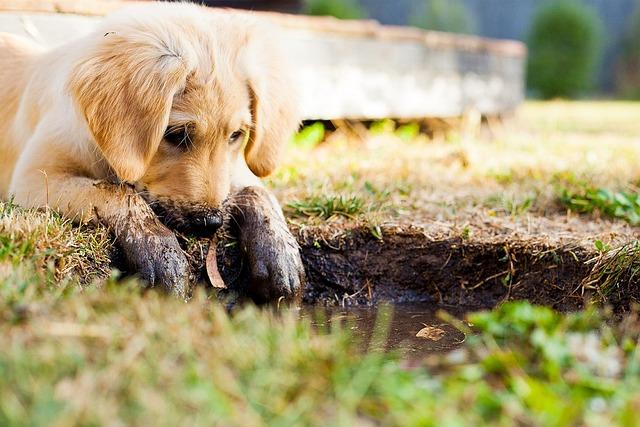
When it comes to teaching your puppy to become a well-mannered member of the household, focusing on positive reinforcement can make a world of difference. Reward-based training is all about encouraging good behavior by offering incentives that your puppy finds irresistible. This technique not only helps to strengthen the bond between you and your furry friend but also creates a fun and engaging learning environment.
- Treats Galore: Use small, tasty treats to immediately reward your puppy whenever they exhibit the desired behavior, such as going potty outside or responding to a command.
- Playtime Rewards: Incorporate play as a reward. A quick game of fetch or tug-of-war can be just as motivating as food for some puppies.
- Verbal Praise: Don’t underestimate the power of a kind word. Enthusiastic verbal praise, like a cheerful ”good job!” or “well done!”, can reinforce positive actions.
It’s essential to be consistent and patient, as puppies are naturally curious and full of energy. By focusing on what they do right and rewarding them for it, you’re laying a foundation for lifelong good habits. Remember, every puppy learns at their own pace, so keep the training sessions short, fun, and full of positive vibes!