Welcoming a new furry friend into your home is an exciting adventure filled with joyful moments and new responsibilities. As you embark on this journey, one of the most important aspects of ensuring a harmonious relationship with your dog is teaching them basic commands. Not only do these commands help in establishing good behavior, but they also lay the foundation for effective communication between you and your canine companion. In this article, we’ll explore the first three essential commands every dog should learn, offering step-by-step guidance to help you and your pet build a strong, trusting bond. Whether you’re a first-time dog owner or looking to refresh your training techniques, these foundational commands will set you and your dog up for a lifetime of success and companionship. Let’s dive in and get started on this rewarding training journey!
Mastering the Basics with Your New Pup
- Sit: Teaching your pup to sit is a fundamental command that forms the basis for more advanced training. To begin, hold a treat close to your dog’s nose and slowly move your hand upwards. This motion will naturally cause their bottom to lower. As soon as they sit, reward them with the treat and some enthusiastic praise. Practice this command in various settings to help your pup generalize the behavior.
- Stay: Once your dog has mastered sitting, the next logical step is the stay command. Start by asking your pup to sit, then open your palm towards them like a stop sign while saying “stay.” Gradually increase the time and distance you step away from your dog, always returning to reward them if they hold their position. Consistency and patience are key to ensuring your pup understands and obeys this command.
- Come: A reliable recall is crucial for your dog’s safety and freedom. Begin in a distraction-free environment with your pup on a leash. Kneel down and use an enthusiastic tone to call them, saying “come.” As they approach, reward them with treats and affection. Gradually increase the level of distractions and practice in different locations to solidify their response.

Building Trust Through Consistent Training
Establishing a bond of trust with your dog is crucial, and one of the most effective ways to do so is through consistent training. By dedicating time to teach your furry friend, you’re not only building a strong relationship but also creating a foundation for future learning. The key to success lies in repetition and patience, ensuring that your dog understands and responds reliably to your cues.
Here are a few tips to keep in mind as you embark on this training journey:
- Consistency: Use the same words and hand signals every time you practice a command. This helps your dog understand exactly what is expected.
- Positive Reinforcement: Reward your dog with treats, praise, or playtime whenever they successfully follow a command. This encourages them to repeat the behavior.
- Short Sessions: Keep training sessions brief but frequent to maintain your dog’s attention and enthusiasm. Aim for 5-10 minutes, multiple times a day.
Remember, every dog learns at their own pace. Celebrate small victories and remain patient as your dog gradually builds confidence and trust in their new skills. This approach not only strengthens your relationship but also lays the groundwork for more advanced training in the future.
Creating a Happy Home with Simple Commands
Training your dog with basic commands not only makes your home a more harmonious place but also strengthens the bond between you and your furry friend. Start with these essential commands to set the foundation for good behavior:
- Sit: This is often the first command dogs learn, as it’s easy for them to grasp. Use treats to guide your dog into a sitting position, repeating the word ”sit” clearly. Over time, your dog will associate the action with the command, making it a useful tool for controlling excitement and ensuring safety.
- Stay: Teaching your dog to stay is crucial for their safety and your peace of mind. Begin by having your dog sit, then hold your palm out and say “stay.” Gradually increase the distance and duration before rewarding them. This command helps in situations where you need your dog to remain in place, whether at home or out in public.
- Come: The ”come” command is vital for recall, especially in emergency situations. Start in a controlled environment, calling your dog’s name followed by ”come,” and reward them when they approach you. Consistent practice reinforces this command, ensuring your dog returns promptly when called.
These simple commands lay the groundwork for more advanced training and help create a happier, more structured home environment. Consistency, patience, and positive reinforcement are key to successful training. Enjoy the journey of teaching your dog and watching them grow into a well-mannered member of your family!
Empowering Your Dog with Essential Skills
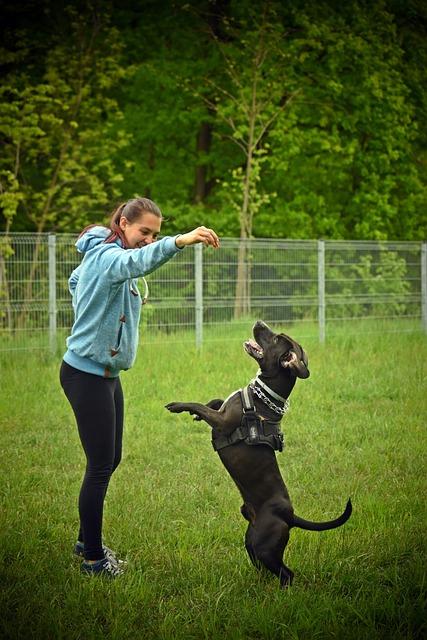
- Sit: The “sit” command is fundamental, serving as the cornerstone for building discipline and focus in your dog. Begin by holding a treat close to your dog’s nose, then slowly move your hand upward, allowing their head to follow the treat and their bottom to lower into a sitting position. Once they sit, reward them with the treat and plenty of praise. This simple command not only helps in managing your dog’s behavior but also strengthens your bond as you work together.
- Stay: Teaching “stay” instills patience and control, essential for ensuring safety in various situations. Start by asking your dog to sit, then open your palm in front of them and say “stay.” Take a step back; if they hold the position, reward them. Gradually increase the distance and duration, always rewarding compliance. Consistency is key, and soon your dog will understand that staying put leads to positive outcomes.
- Come: The “come” command is vital for recall and safety, especially in outdoor settings. Use a cheerful tone, say “come,” and gently pull on their leash if necessary, rewarding them with treats and affection when they reach you. Practice in a controlled environment, gradually introducing distractions to enhance reliability. A dog that comes when called is a joy to have, providing peace of mind in any situation.