
In the tapestry of human-animal relationships, few bonds are as cherished and complex as those between pets and their owners. From wagging tails to gentle purrs, our furry companions bring joy, comfort, and unconditional love into our lives. Yet, as any pet owner knows, life with animals isn’t always without its hiccups. Whether it’s accidentally stepping on a tail or forgetting to fill the food bowl, moments of misunderstanding are inevitable. This raises an intriguing question: Can pets actually “forgive” their owners? In this article, we’ll explore the fascinating world of animal behavior and emotions, delving into scientific insights and expert opinions to uncover whether our beloved pets have the capacity to forgive, and what that might mean for our relationships with them.
Understanding Animal Emotions and Forgiveness
When we consider the emotional landscape of our beloved pets, it’s fascinating to ponder how they process complex feelings like forgiveness. While animals may not experience forgiveness in the same way humans do, they exhibit behaviors that suggest they move past negative experiences. Dogs, for example, are known for their loyalty and ability to bounce back from uncomfortable situations. They often display signs of trust and affection even after being scolded, showing that their emotional capacity might include an element of forgiveness.
- Cats, on the other hand, are more independent and may not exhibit forgiveness in the same overt manner. Yet, their return to normal behaviors, like purring or seeking out attention, can indicate they’ve let go of past grievances.
- Birds have been observed to show reconciliation behaviors, such as grooming each other after a conflict, which hints at an innate ability to mend social bonds.
It’s essential to understand that animals communicate and process emotions differently. They rely on body language, vocalizations, and social interactions to express their feelings. Therefore, while the term “forgiveness” might not perfectly encapsulate their process, it’s clear that many pets possess an incredible ability to move beyond negative interactions and maintain their loving relationship with their owners.
 Pets Process Mistakes”>
Exploring the Bond: How Pets Process Mistakes
Understanding how our pets process mistakes and how they respond to us afterward can provide a fascinating glimpse into their complex emotional world. While pets might not ‘forgive’ in the human sense, they do have mechanisms to move past negative experiences. Animals, particularly dogs and cats, are known to respond to their owners’ actions with a blend of instinct and learned behavior. When a pet encounters a mistake, like a scolding or accidental step on the paw, they often exhibit behaviors that indicate a shift in mood or trust. Dogs, for instance, may display appeasement gestures such as a lowered tail or avoiding eye contact, which can signal their desire to restore harmony.
- Empathy: Some studies suggest that pets, especially dogs, can pick up on human emotions and respond accordingly, displaying signs of empathy that help mend the bond.
- Routine Reinforcement: Consistent routines and positive reinforcement can help pets quickly forget minor transgressions, as they thrive on stability and predictability.
- Body Language: Observing your pet’s body language can offer clues to their emotional state, helping owners adjust their behavior to foster a sense of security and trust.
Ultimately, the key to understanding how pets process mistakes lies in observing their behavior and responding with patience and care. By doing so, we not only strengthen the bond but also create an environment where mutual respect and understanding can flourish.

Building Trust with Your Furry Friend
In the realm of human-pet relationships, understanding how pets perceive and respond to their owners’ actions is crucial. While the concept of forgiveness might be anthropomorphic, pets do exhibit behaviors that suggest a form of reconciliation. Trust-building activities can foster a strong bond, encouraging pets to move past negative experiences. This might include consistent routines, gentle handling, and positive reinforcement, all of which signal safety and care to your furry companion.
- Consistency is Key: Regular feeding times and familiar commands help pets feel secure and understood.
- Gentle Interactions: Soft voices and gentle touch can reassure pets, making them feel loved and valued.
- Positive Reinforcement: Rewarding good behavior with treats or affection can reinforce trust and encourage a forgiving attitude.
By focusing on these elements, pet owners can nurture an environment where their pets feel comfortable and cared for, potentially facilitating a sense of forgiveness and a stronger, more trusting relationship.
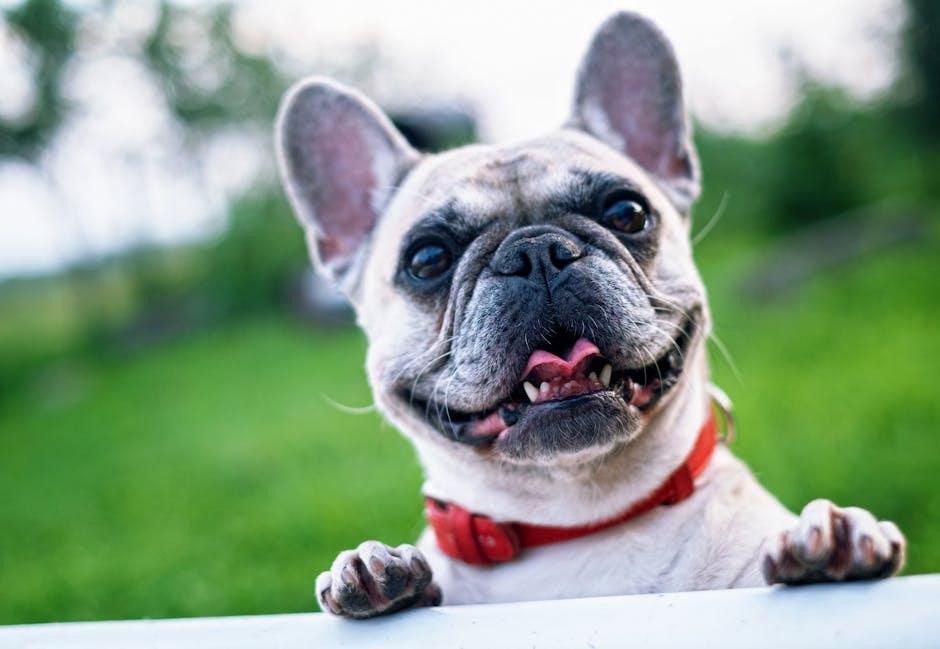
Practical Tips for Rebuilding a Stronger Relationship
Understanding how pets perceive actions and emotions can help in mending any rifts. While animals may not ‘forgive’ in the human sense, they do respond positively to consistent care and affection. Here are some practical tips to rebuild a stronger bond with your pet:
- Consistency is Key: Maintain a regular routine to provide a sense of security and trust. This includes feeding, walking, and playtime at the same times each day.
- Positive Reinforcement: Reward good behavior with treats, praise, or extra playtime. This helps reinforce positive associations and rebuilds trust.
- Understanding Body Language: Pay attention to your pet’s cues. Signs of discomfort or stress should be acknowledged and addressed to make them feel safe.
- Quality Time: Spend dedicated time with your pet each day. Activities like grooming, playing, or simply being present can significantly enhance your bond.
- Patience and Empathy: Be patient as rebuilding trust can take time. Try to understand your pet’s needs and emotions, and approach them with empathy.
By focusing on these strategies, you can nurture a relationship that not only heals but grows stronger over time. Remember, your pet’s love is often unconditional, and with a little effort, you can ensure it remains so.