In the heartwarming world of pets, where wagging tails and gentle purrs speak volumes, there’s an intriguing cognitive process at play that often goes unnoticed. Our furry companions, whether they’re bounding across the yard or curling up beside us on the couch, are constantly learning, adapting, and responding to the world around them. But what exactly is happening in those curious minds? How do pets, from dogs and cats to birds and even more exotic creatures, process information and acquire new skills? In this exploration of the cognitive process behind a pet’s learning abilities, we’ll delve into the fascinating mechanisms that allow our animal friends to understand commands, solve problems, and build relationships with their human companions. By uncovering the science behind their learning, we can deepen our appreciation for their intelligence and strengthen the bond we share with them. So, let’s embark on this enlightening journey into the minds of our beloved pets, where science meets the endearing quirks of our everyday companions.
Understanding the Neural Mechanisms: How Pets Process Information
Delving into the intricacies of neural mechanisms reveals the fascinating ways in which pets, from cats and dogs to birds and rabbits, process information. At the core of this cognitive marvel lies the brain’s ability to form and strengthen connections between neurons, a process known as synaptic plasticity. This is the foundation of how pets learn and adapt to their environments. The brain’s capacity to change in response to experiences allows pets to develop complex behaviors, from understanding commands to forming emotional bonds with their human companions.
- Sensory Perception: Pets rely heavily on their senses to interpret the world. Dogs, for instance, use their acute sense of smell to gather information, while cats depend on their keen vision and hearing.
- Memory Formation: The hippocampus plays a crucial role in memory, helping pets retain experiences that influence future behaviors.
- Emotional Processing: The amygdala is involved in processing emotions, allowing pets to respond to stimuli with feelings such as fear, joy, or excitement.
- Learning through Reinforcement: Pets learn effectively through positive reinforcement, where rewarding desired behaviors strengthens neural pathways associated with those actions.
Understanding these neural processes not only enhances our appreciation of our pets’ cognitive abilities but also aids in developing better training and communication methods, fostering a deeper connection between humans and their furry or feathered friends.
The Role of Environment in Shaping Pet Intelligence
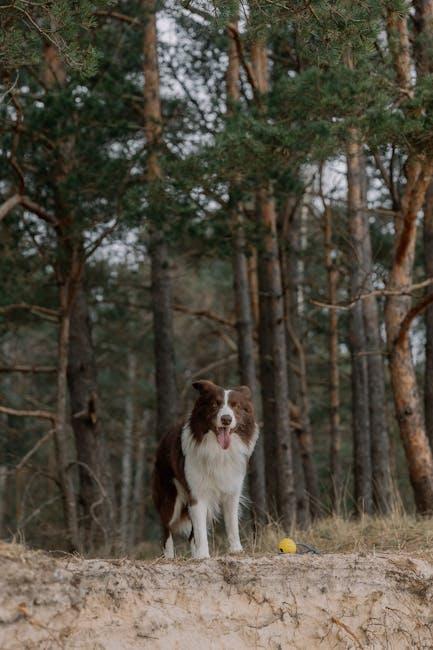
The environment plays a pivotal role in influencing the cognitive abilities of our beloved pets. Much like humans, animals thrive in environments that stimulate their mental faculties. A rich, interactive environment can significantly enhance a pet’s intelligence by encouraging problem-solving and adaptability. This can include simple things like diverse toys, varied social interactions, and exposure to new experiences. Each of these elements contributes to a dynamic setting that challenges pets, fostering their learning and memory retention.
- Varied Toys: Rotating toys and introducing puzzle feeders can spark curiosity and promote critical thinking.
- Social Interactions: Regular playdates with other pets or humans can enhance social intelligence and communication skills.
- New Experiences: Taking pets to new places or changing their walking routes can stimulate their senses and improve spatial awareness.
Moreover, an environment that provides consistent positive reinforcement can bolster a pet’s confidence, making them more willing to explore and learn. This nurturing setting helps build a foundation for enhanced cognitive development, enabling pets to better understand commands and respond to training with increased efficiency. By consciously crafting an enriching environment, pet owners can unlock their furry companions’ full intellectual potential.
Effective Training Techniques: Enhancing Your Pets Learning Experience
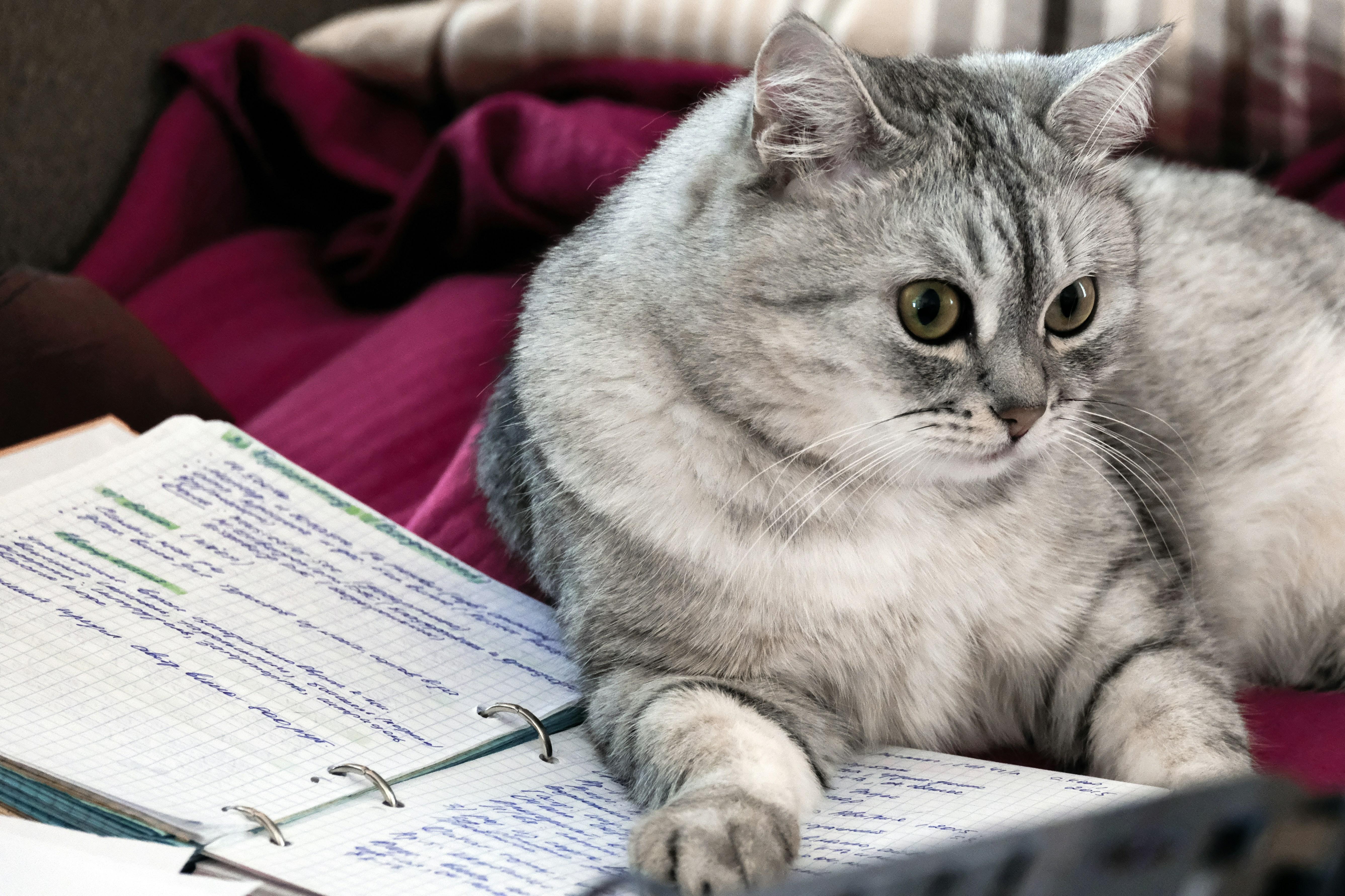
Understanding the cognitive processes that underpin your pet’s learning abilities can significantly enhance the effectiveness of your training techniques. Pets, like humans, have unique ways of processing information and developing new skills. Positive reinforcement stands out as one of the most effective methods, leveraging the natural desire of pets to seek rewards. By consistently rewarding desired behaviors, you can create a strong association in your pet’s mind, encouraging them to repeat these behaviors.
- Consistency is Key: Establish a routine and use the same commands to avoid confusion.
- Patience and Persistence: Understand that learning is a gradual process and setbacks are natural.
- Use of Visual and Auditory Cues: Pets respond well to visual signals and tone of voice, which can enhance their understanding.
Moreover, engaging your pet in interactive play can stimulate their cognitive development, making learning both fun and rewarding. The use of puzzle toys or obstacle courses can challenge their problem-solving skills, while also strengthening your bond. Remember, every pet is different, so adapting your approach to fit their individual learning style will yield the best results.

Recognizing and Encouraging Individual Learning Styles in Pets
Understanding the diverse learning styles of our furry companions is essential for nurturing their cognitive development and enhancing their quality of life. Just like humans, pets exhibit distinct preferences in how they absorb and process information. Visual learners, for instance, may respond well to demonstrations or the use of hand signals. Meanwhile, auditory learners might thrive when exposed to verbal commands and the tone of your voice. It’s also important to recognize the kinesthetic learners who benefit from physical activities and hands-on experiences.
- Visual learners: Use hand signals or visual cues.
- Auditory learners: Focus on verbal commands and tone.
- Kinesthetic learners: Engage in physical activities and touch.
Encouraging these individual learning styles not only aids in training but also strengthens the bond between you and your pet. Observing your pet’s responses and adjusting your approach accordingly can lead to more effective communication and a happier, more confident animal. By tailoring your interactions, you are acknowledging and valuing the unique way your pet interacts with the world, ultimately fostering a more harmonious and understanding relationship.