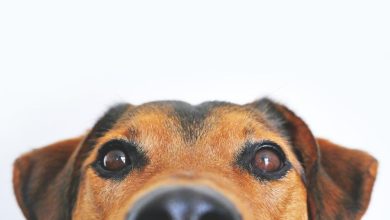
Dogs have long been celebrated as humanity’s loyal companions, offering unwavering love and companionship. Yet, despite the deep bond we share, they communicate in ways that are often subtle and misunderstood. Unlike humans, dogs can’t express their feelings through words, but their bodies speak volumes. Understanding a dog’s body language can open up a new dimension of connection, allowing us to interpret their emotions with greater clarity. In this article, we’ll delve into the fascinating world of canine communication, exploring the various postures, movements, and signals that reveal what your furry friend might be feeling. Whether it’s the wag of a tail, the tilt of a head, or the posture they assume when meeting new people, each gesture tells a story. Join us as we uncover the secrets of what your dog’s body language reveals about their emotions, helping you to better understand and respond to their needs.
Understanding Tail Wagging and Its Many Meanings
When it comes to decoding your dog’s emotions, one of the most expressive parts of their body is the tail. Though often perceived as a simple sign of happiness, tail wagging can convey a wide range of emotions. Understanding these subtle cues can deepen the bond you share with your furry friend and enhance your communication. Here are some common interpretations of different wagging styles:
- High and Stiff: This can indicate alertness or excitement, but it might also suggest dominance or aggression. Be attentive to the context and accompanying body language.
- Low and Slow: Often a sign of uncertainty or submission, a low and slow wag might mean your dog is feeling nervous or unsure about a situation.
- Fast and Loose: Typically associated with joy and enthusiasm, this wag is a sure sign your dog is in a friendly and playful mood.
- Circular Wag: Sometimes referred to as a “helicopter wag,” this is a true sign of excitement and happiness, often seen when greeting someone they love.
By paying close attention to the nuances of your dog’s tail movements, you can gain valuable insights into their emotional state, enhancing your understanding and nurturing a more responsive and loving relationship.

Decoding Ear Positions to Gauge Your Dogs Mood
Understanding your dog’s emotions can often be as simple as observing their ears. Much like a human’s facial expressions, a dog’s ear positions can convey a myriad of emotions. Here are some common ear positions and what they might mean:
- Perked Up: If your dog’s ears are standing tall and facing forward, they are likely attentive and curious about their surroundings. This position often signals excitement or interest in something new.
- Pinned Back: Ears flattened against the head can indicate fear, anxiety, or submission. It’s a sign that your dog might be feeling threatened or nervous.
- Relaxed: When the ears are in their natural position, your dog is likely feeling calm and content. This is a great indicator that your furry friend is comfortable and at ease.
- One Ear Up, One Ear Down: This quirky position often means your dog is listening intently while still trying to process what’s going on around them. It’s a mix of curiosity and cautiousness.
By observing these subtle cues, you can gain a deeper insight into your dog’s emotional state, fostering a stronger bond and ensuring their well-being. Remember, every dog is unique, so it’s important to consider their individual personality and context when interpreting these signals.

Reading Your Dogs Eyes: A Window into Their Emotional World
The eyes of your furry friend can speak volumes, serving as a mirror to their soul and an indicator of their feelings. Understanding the subtle nuances of their gaze can strengthen the bond you share. When your dog’s eyes are wide and alert, they might be feeling curious or excited, eager to explore the world around them. Conversely, if their eyes appear droopy or they avoid direct contact, they may be feeling tired, anxious, or submissive. Look for signs such as:
- Soft, relaxed eyes: This usually means your dog is calm and comfortable, feeling safe in their environment.
- Intense stare: Often indicates focus or a challenge; your dog might be fixated on something intriguing or potentially threatening.
- Squinting: Could be a sign of discomfort or pain, urging you to pay closer attention to their health.
By paying attention to these subtle cues, you’ll be better equipped to understand and respond to your dog’s emotional needs. Building this awareness not only enhances your ability to communicate but also deepens the mutual trust and affection shared with your canine companion.
Practical Tips for Responding to Your Dogs Emotional Cues
Understanding and responding to your dog’s emotional signals can strengthen the bond you share. Here are some practical tips to help you decode and react to your furry friend’s body language effectively:
- Observe the Tail: A wagging tail doesn’t always mean happiness. Notice the speed and direction; a slow wag can indicate uncertainty, while a high, fast wag might mean excitement.
- Mind the Ears: Ears perked forward often show interest or curiosity, whereas ears laid back might signal fear or submission. Adjust your approach accordingly to reassure or engage your dog.
- Watch the Eyes: Soft, blinking eyes can indicate a relaxed, content state. In contrast, wide eyes with visible whites (also known as “whale eyes”) might suggest anxiety or discomfort.
- Respect Personal Space: If your dog backs away or turns their head, they might need space. Give them time and a comfortable distance to approach you on their terms.
By being attentive to these cues and responding with understanding, you can create a nurturing environment that respects your dog’s emotional needs.