In a world where our four-legged companions often mirror the emotional complexities of their human counterparts, understanding and addressing canine anxiety has become more important than ever. As pet owners, we strive to provide a haven of comfort and security for our dogs, yet the challenges of modern life can sometimes seep into their lives, manifesting as anxiety. Enter the transformative power of positive reinforcement—a gentle, yet profoundly effective approach that not only alleviates anxiety but also strengthens the bond between humans and their furry friends. This article delves into the heart of positive reinforcement strategies, offering insights and practical tips to help your dog navigate the world with confidence and ease. Join us as we explore the art of turning anxious whimpers into wagging tails, using the language of love and rewards.
Understanding Canine Anxiety: The Role of Positive Reinforcement
Positive reinforcement is a powerful tool in addressing anxiety in dogs, transforming stressful situations into opportunities for growth and confidence building. By focusing on rewarding desired behaviors, rather than punishing negative ones, dog owners can create a safe and supportive environment. Here are some effective strategies:
- Reward Calm Behavior: Whenever your dog exhibits calm behavior in a typically stressful situation, immediately reward them with a treat or praise. This helps them associate tranquility with positive outcomes.
- Gradual Exposure: Introduce your dog to anxiety-inducing scenarios in a controlled and gradual manner. Start with brief, low-intensity exposure and slowly increase the duration as your dog becomes more comfortable.
- Interactive Play: Use playtime to distract and reduce anxiety. Games like fetch or tug-of-war can redirect nervous energy into positive, engaging activities.
- Training Sessions: Incorporate basic obedience training during anxious moments. Simple commands like sit, stay, or come can help refocus your dog’s attention and instill a sense of accomplishment.
Incorporating these strategies not only helps in alleviating anxiety but also strengthens the bond between you and your furry friend. By consistently applying positive reinforcement, you can empower your dog to face their fears with newfound confidence.

Creating a Calm Environment: Techniques to Ease Your Dogs Anxiety
Incorporating positive reinforcement into your dog’s routine can significantly alleviate their anxiety. By focusing on rewarding desired behaviors, you can create a more secure and comforting environment for your furry friend. Here are some effective techniques to consider:
- Reward-Based Training: Use treats, praise, or toys to reward your dog for calm behavior. Consistency is key, so ensure rewards are given immediately after the desired behavior to reinforce the connection.
- Desensitization: Gradually expose your dog to anxiety triggers in a controlled manner. Start with low-intensity exposure and pair it with positive reinforcement, increasing the intensity over time as your dog becomes more comfortable.
- Interactive Play: Engage your dog in interactive games like fetch or tug-of-war. This not only provides physical exercise but also strengthens the bond between you and your pet, fostering a sense of security.
By integrating these strategies, you can help your dog build confidence and reduce anxiety, leading to a happier and more relaxed life for both of you.
Reward-Based Training: Building Confidence and Trust
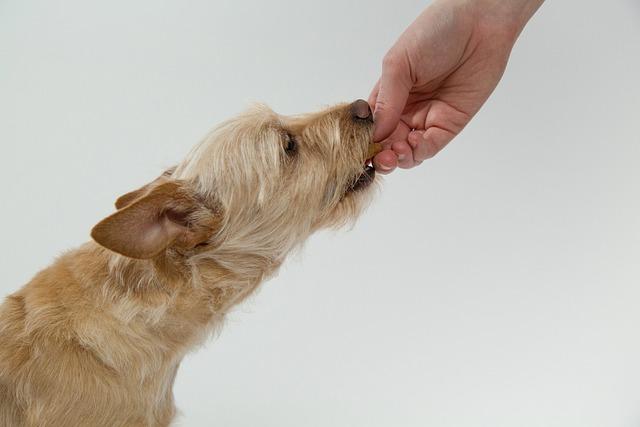
Embracing reward-based training techniques can significantly enhance a dog’s confidence while simultaneously fostering a trusting relationship between the pet and its owner. By using positive reinforcement, you can transform training sessions into enjoyable experiences rather than stressful obligations. This method revolves around rewarding desired behaviors, which encourages dogs to repeat these actions. It can be particularly effective in reducing anxiety, as dogs start associating potentially stressful situations with positive outcomes.
- Treats and Praise: Offering treats or verbal praise immediately after a desired behavior reinforces that action. Consistency is key, as it helps dogs understand which behaviors earn rewards.
- Interactive Play: Incorporating playtime into training sessions can alleviate anxiety and provide a mental break, making learning fun and engaging.
- Calm Environment: Ensure the training environment is calm and free from distractions to help your dog focus and feel secure.
These strategies not only reduce anxiety but also create a bond of trust, as dogs learn to anticipate positive interactions with their owners. By focusing on what dogs do right and rewarding those actions, you cultivate a sense of security and confidence that can have a lasting impact on their overall well-being.
Tailored Strategies: Personalized Approaches to Alleviate Anxiety in Dogs
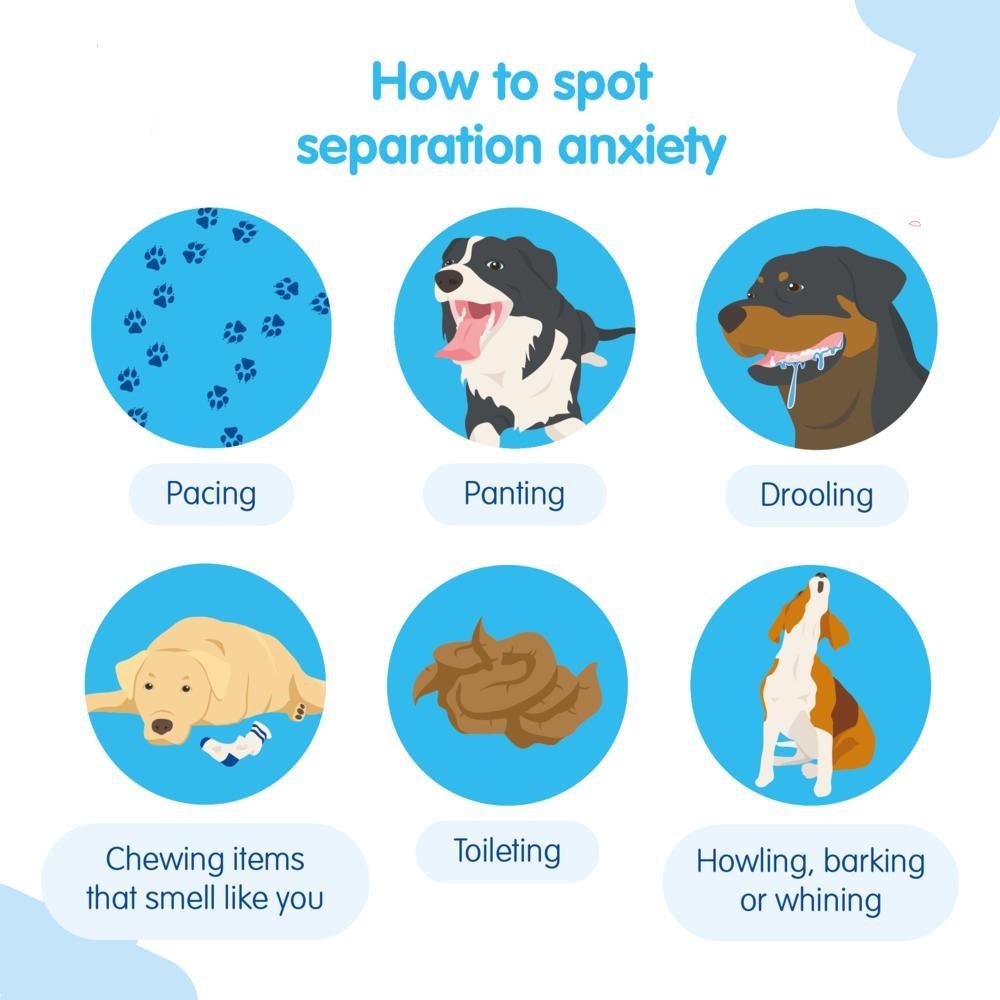
Every dog is unique, and so are their anxiety triggers. To effectively address this, a personalized approach that combines positive reinforcement techniques with an understanding of your dog’s specific needs can make a significant difference. Begin by identifying the root causes of your dog’s anxiety. Is it separation anxiety, fear of loud noises, or perhaps a reaction to new environments? Once identified, you can tailor strategies to suit these particular stressors.
Consider incorporating the following tailored methods into your routine:
- Consistent Routine: Establish a regular schedule for feeding, walking, and playtime. Predictability can provide a sense of security.
- Desensitization: Gradually expose your dog to the anxiety trigger in a controlled environment, rewarding calm behavior with treats and praise.
- Interactive Toys: Use puzzle toys or treat dispensers to keep your dog mentally stimulated and distracted from stressors.
- Safe Space: Create a comfortable area in your home where your dog can retreat during stressful times.
By adopting these personalized strategies, you can help your dog build confidence and resilience, ultimately reducing their anxiety and enhancing their overall well-being.