
In the serene world of canine companionship, aggression can sometimes cast a shadow, disrupting the harmony between humans and their four-legged friends. As dog owners and trainers strive to foster peaceful coexistence, the age-old debate over discipline and reward continues to unfold. Enter positive reinforcement—a gentle yet powerful tool that promises not only to curb aggression but to transform it into trust and understanding. This article delves into the nuanced role of positive reinforcement in addressing aggression in dogs, exploring how this compassionate approach can reshape behaviors and strengthen the bond between dog and owner. Through science-backed insights and real-world examples, we embark on a journey to uncover how kindness and consistency can lead to a more harmonious life with our canine companions.
Understanding Canine Aggression: Unpacking the Triggers
In the realm of canine behavior, aggression can often be traced back to a variety of triggers, each uniquely influencing a dog’s reaction. Understanding these triggers is paramount in addressing aggressive behaviors effectively. Common triggers include fear, territorial instincts, pain, and frustration. Dogs may also react aggressively due to past traumas or inadequate socialization. By identifying these underlying causes, dog owners and trainers can tailor their approaches to mitigate aggressive responses.
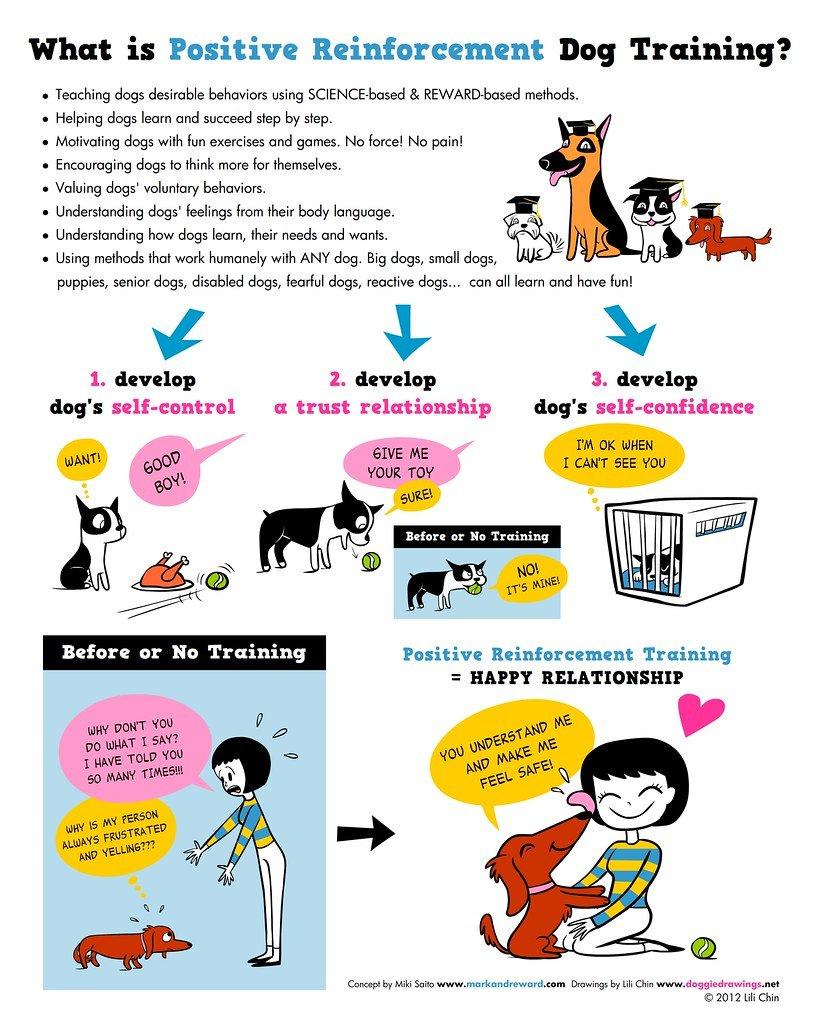
Positive reinforcement plays a pivotal role in reshaping these behaviors by focusing on rewarding desired actions rather than punishing unwanted ones. This method not only builds trust between the dog and owner but also encourages the dog to repeat positive behaviors. Key strategies include:
- Consistent Rewarding: Reinforcing calm and non-aggressive behavior with treats or praise.
- Desensitization: Gradually exposing the dog to triggers in a controlled environment to reduce sensitivity.
- Redirecting Energy: Offering engaging activities that focus the dog’s energy away from aggressive impulses.
By unpacking these triggers and employing positive reinforcement techniques, dog owners can cultivate a more harmonious and safe environment for their pets and themselves.
Harnessing the Power of Positive Reinforcement in Behavior Modification
In the realm of canine behavior modification, positive reinforcement emerges as a powerful tool to address aggression. This approach focuses on rewarding desirable behaviors rather than punishing the undesirable ones. By reinforcing positive actions, dog owners can effectively communicate what is expected, making the learning process both rewarding and enjoyable for the animal. Positive reinforcement can take various forms, such as:
- Treats: Offering a small, tasty snack as a reward for calm behavior.
- Praise: Using a happy, enthusiastic tone to affirm good conduct.
- Play: Engaging in a favorite game or activity as a reward.
- Affection: Providing petting or cuddles to reinforce peaceful interactions.
By consistently applying these techniques, dog owners can gradually reduce aggressive tendencies, replacing them with positive behaviors. This method not only builds trust and strengthens the bond between the owner and the pet but also fosters an environment where the dog feels secure and understood.
Step-by-Step Guide to Implementing Reward-Based Training Techniques
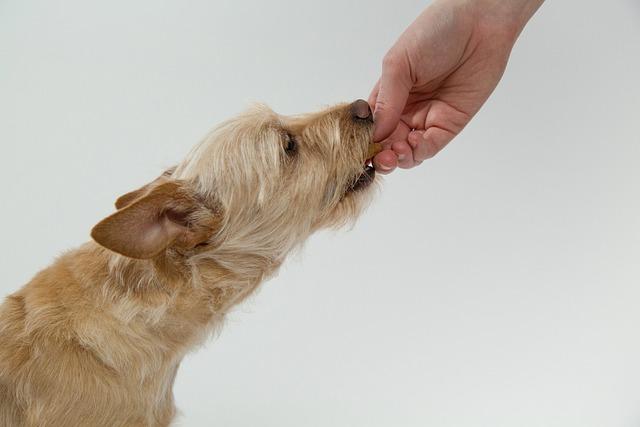
Implementing reward-based training techniques requires a structured approach to ensure that your dog understands and responds positively. Begin by identifying the specific aggressive behaviors you want to address. Consistency is key; ensure that every family member or handler uses the same commands and rewards to avoid confusion. Introduce a variety of rewards such as treats, toys, or verbal praise to find what motivates your dog the most. Always reward your dog immediately after the desired behavior to reinforce the connection between the action and the reward.
- Start Small: Begin with basic commands in a controlled environment before gradually introducing distractions.
- Patience is Essential: Dogs may take time to learn, and setbacks are normal. Maintain a calm demeanor to avoid adding stress.
- Monitor Progress: Keep track of your dog’s reactions and adjust your techniques as needed to ensure continuous improvement.
By focusing on positive reinforcement, you not only reduce aggression but also build a trusting relationship with your dog. This method fosters a learning environment where your dog feels safe and understood, encouraging them to adopt calmer behaviors.
Success Stories: Transformations Through Positive Reinforcement
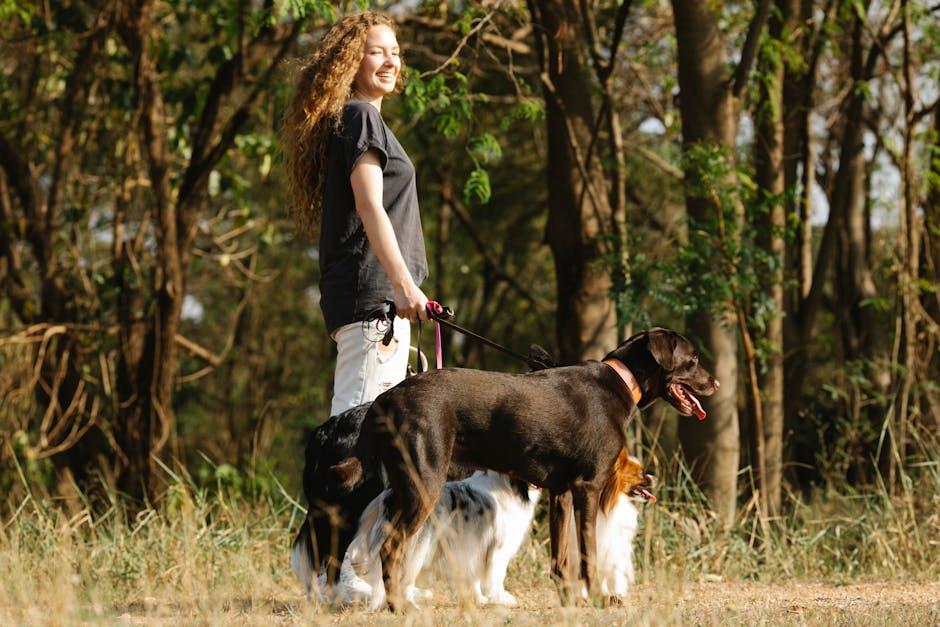
In a world where traditional training methods often resort to punishment, many dog owners have discovered the transformative power of positive reinforcement in addressing aggression. This approach not only encourages desirable behavior but also fosters a trusting bond between the pet and the owner. Success stories abound, highlighting how dogs once labeled as “aggressive” have become gentle companions through the power of rewards.
Consider the case of Max, a rescue dog with a history of aggression. His new owner, determined to help him, implemented a strategy of positive reinforcement. The results were astounding. By rewarding calm behavior and ignoring aggressive outbursts, Max’s demeanor began to change. Key techniques included:
- Consistent rewards for non-aggressive behavior.
- Use of treats and praise to encourage calmness during potential triggers.
- Redirecting focus with toys or commands when signs of aggression appeared.
Through these methods, Max transformed into a loving, well-adjusted pet, showcasing the profound impact of positive reinforcement.