In the world of canine companionship, where wagging tails and eager eyes speak volumes, the quest for effective training methods often leads us to unexpected discoveries. Among these, the concept of using play as a reward in positive dog training has emerged as a captivating approach that not only strengthens the bond between humans and their four-legged friends but also taps into the natural instincts and joy inherent in every dog. This article delves into the playful yet purposeful world of reward-based training, exploring how incorporating games and interactive sessions can transform the training experience into a joyful journey of learning and connection. As we unravel the science and art behind this technique, prepare to see training through a new lens—one where fun becomes the ultimate motivator and playtime, the most cherished reward.
The Science Behind Playful Reinforcement
At the heart of positive dog training lies the fascinating science of playful reinforcement. Dogs, much like humans, have evolved to engage with the world through play, which triggers the release of endorphins, the “feel-good” hormones, enhancing their overall well-being. When trainers incorporate play as a reward, they tap into this natural inclination, creating an enjoyable and effective learning experience. Play not only fosters a stronger bond between dog and trainer but also increases the likelihood of the desired behavior being repeated.
Using play as a reward can take many forms, each tailored to a dog’s unique preferences and personality. Here are some playful reinforcement techniques:
- Tug-of-War: Engages the dog’s natural instincts and provides a satisfying physical outlet.
- Fetch: Encourages quick response and focus, making it ideal for reinforcing commands like “come” or “sit”.
- Hide and Seek: Stimulates the dog’s curiosity and problem-solving skills.
- Agility Games: Combines physical exercise with mental challenges, keeping the dog alert and motivated.
By integrating these playful elements, trainers can transform routine sessions into vibrant, engaging activities that both educate and entertain.
Tailoring Play to Your Dogs Unique Personality
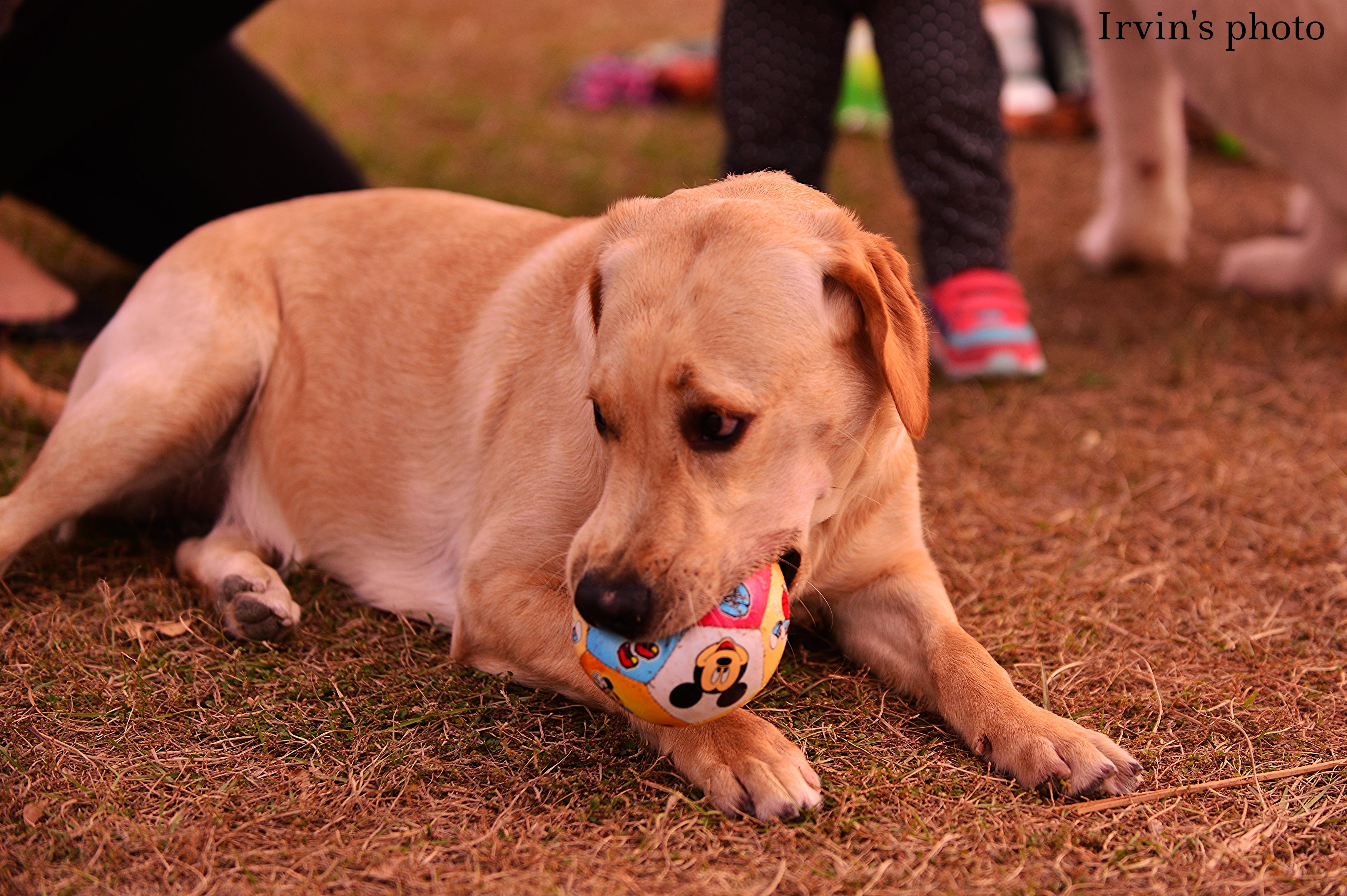
Every dog is a unique individual, with their own quirks and preferences that make them special. To effectively use play as a reward in positive dog training, it’s crucial to understand your dog’s personality and tailor activities to suit their natural inclinations. A high-energy dog might thrive on activities like fetch or agility training, while a more laid-back pooch may prefer gentle tug-of-war or leisurely walks. Recognizing these traits can transform training sessions into enjoyable experiences, reinforcing positive behaviors through tailored play.
- Energetic Dogs: Consider games that allow them to burn off excess energy, such as frisbee or agility courses.
- Curious Dogs: Engage their minds with puzzle toys or hide-and-seek games that challenge their problem-solving skills.
- Social Dogs: Arrange playdates with other friendly dogs to satisfy their need for interaction and companionship.
- Independent Dogs: Allow them to lead the play session, providing opportunities for exploration and solo activities.
By observing your dog’s reactions and preferences, you can create a rewarding play environment that caters to their personality, making training not just a learning process but also a joyful bonding experience.
Incorporating Play in Everyday Training Sessions
Integrating playful activities into training sessions can significantly enhance your dog’s learning experience. By using play as a reward, you create an environment where your dog is eager to participate and learn. This approach not only makes training more enjoyable but also strengthens the bond between you and your furry companion. Consider incorporating a variety of playful rewards to keep your dog engaged:
- Fetch: Use a favorite toy to play a quick game of fetch after a successful command. This can be particularly effective for high-energy breeds.
- Tug-of-War: Engage in a gentle tug-of-war session, which can serve as both a reward and a way to channel your dog’s natural instincts.
- Hide and Seek: Stimulate your dog’s mind by hiding treats or toys for them to find, adding an element of surprise and excitement.
- Interactive Toys: Offer toys that require problem-solving, such as puzzle feeders, to reward good behavior with both play and treats.
By blending these playful elements into your training sessions, you create a dynamic and positive atmosphere that encourages your dog to respond eagerly to commands. Remember, the key is to keep the activities varied and engaging to maintain your dog’s interest and motivation.
Common Mistakes to Avoid When Using Play as a Reward
- Inconsistency in Reward Timing: One common misstep is not delivering the play reward immediately after the desired behavior. Dogs associate rewards with actions that happen within seconds, so delaying the play session can confuse them about what action is being rewarded. To avoid this, ensure that playtime begins right after your dog performs the correct behavior, reinforcing the connection between the action and the reward.
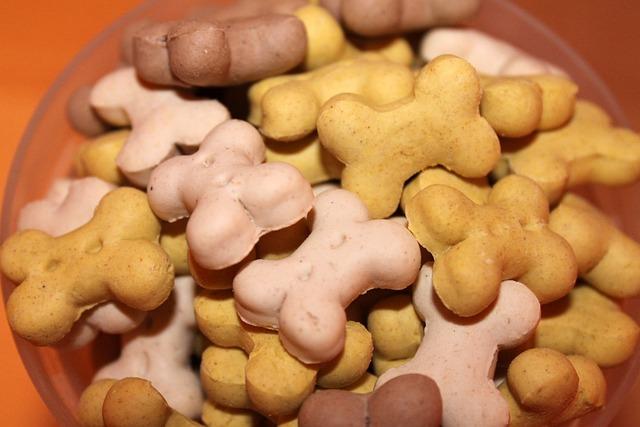
- Overusing Play as a Reward: While play is a fantastic motivator, relying solely on it can diminish its effectiveness. It’s essential to maintain a balance by incorporating a variety of rewards, such as treats, verbal praise, or affection. This not only keeps training sessions exciting for your dog but also prevents them from becoming overly reliant on a single type of reward.
- Ignoring Individual Preferences: Not all dogs are equally motivated by play. Some might prefer a specific toy or type of game, while others may not find play as rewarding as treats or other forms of positive reinforcement. Understanding your dog’s unique preferences will help you tailor the rewards to maximize their training success.