
In a world where wagging tails and playful barks are the universal language of canine camaraderie, some dogs find themselves paralyzed by the presence of their fellow four-legged friends. These timid souls, often misunderstood, navigate a landscape of anxiety and trepidation, missing out on the joys of social interaction. ”” is a guide crafted for those compassionate hearts who wish to transform their anxious companions into confident, carefree canines. Through understanding, patience, and practical strategies, this article delves into the gentle art of nurturing courage in our furry friends, opening the door to a world where fear is replaced by friendship.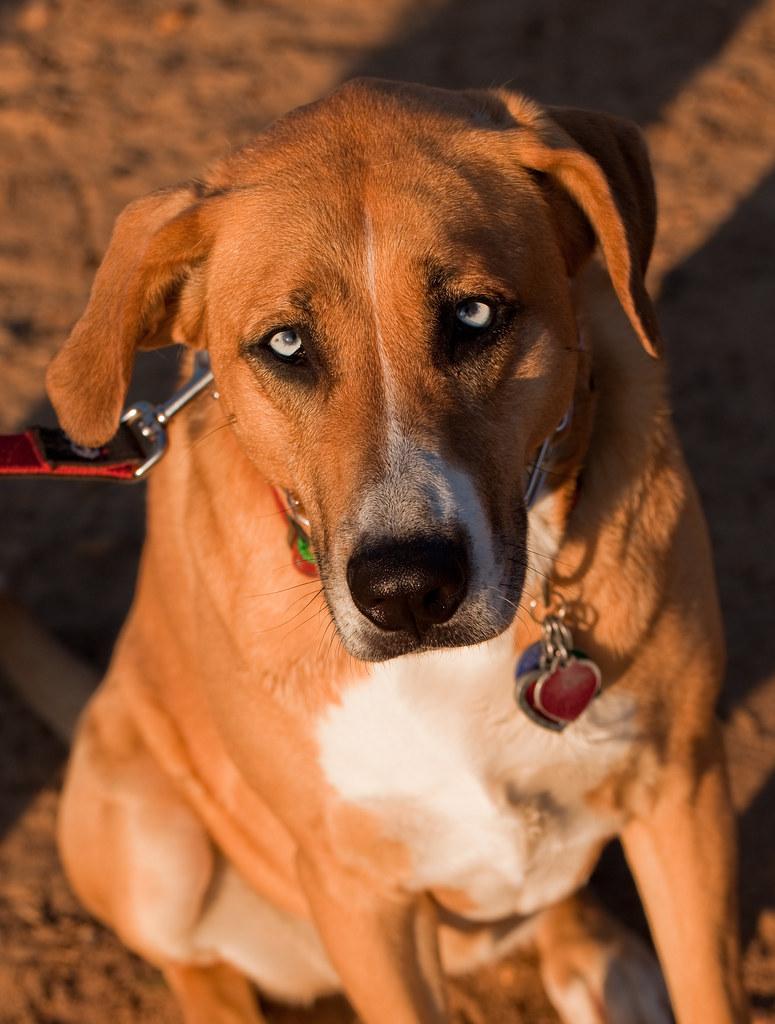
Understanding the Roots of Canine Timidity
Timidity in dogs can often be traced back to a mix of genetic predisposition and environmental factors. Some breeds are naturally more reserved, while others may have experienced negative interactions during their critical socialization period. Lack of exposure to diverse environments or traumatic experiences can contribute significantly to a dog’s cautious demeanor.
- Genetic Factors: Certain breeds have a predisposition to be more reserved or cautious, which can manifest as timidity.
- Early Socialization: Puppies that miss out on positive social interactions during their formative weeks may grow up wary of new situations and other dogs.
- Past Experiences: Negative encounters, whether with other dogs or environments, can leave a lasting impression, influencing future behavior.
Understanding these roots can be crucial in crafting an effective approach to help your furry friend gain confidence. By recognizing the source of their fear, you can tailor interventions that address specific needs, paving the way for a happier, more social canine companion.

Creating a Safe and Supportive Environment
Fostering a safe and supportive environment is crucial for helping a timid dog build confidence around other dogs. Start by creating a space where your dog feels secure and unthreatened. This can be achieved by:
- Choosing Neutral Ground: Introduce your dog to new canine friends in neutral locations where they don’t feel territorial.
- Controlled Encounters: Arrange for short, controlled interactions with calm, well-socialized dogs.
- Positive Reinforcement: Use treats and praise to reward calm behavior and encourage positive associations.
- Safe Retreats: Ensure your dog has access to a safe spot to retreat to if they feel overwhelmed during interactions.
By focusing on these strategies, you can gradually help your timid dog feel more at ease, paving the way for healthier and more confident social interactions.
Gradual Exposure and Positive Reinforcement Techniques
To gently ease your timid dog into more social situations, employing a combination of gradual exposure and positive reinforcement can be immensely beneficial. Start by identifying a comfortable distance at which your dog can observe other dogs without showing signs of stress. Gradually decrease this distance over time, always ensuring that your dog remains relaxed. It’s crucial to progress at a pace that suits your dog’s comfort level. Incorporate these strategies into your routine:
- Short, controlled interactions: Arrange brief meetings with calm, friendly dogs. Keep these interactions short, increasing the duration as your dog becomes more at ease.
- Use of treats and praise: Reward your dog with treats and verbal praise whenever they display calm behavior around other dogs. This positive reinforcement helps them associate other dogs with positive experiences.
- Consistent routine: Regular exposure in a controlled environment helps to build confidence. Gradually introduce different settings to expand their comfort zone.
Patience and consistency are key. Over time, these techniques will help your dog build confidence and reduce fear, allowing for more harmonious interactions with their canine peers.

Building Confidence Through Consistent Socialization
One of the most effective ways to transform your timid dog into a confident social butterfly is through consistent socialization. This doesn’t mean throwing them into a bustling dog park right away, but rather, taking gradual steps that respect their comfort zone. Start by arranging controlled playdates with one calm, friendly dog at a time. This helps your dog learn to communicate and play without feeling overwhelmed.
- Begin with short, positive interactions and gradually increase the duration as your dog becomes more comfortable.
- Choose environments that are less crowded initially, allowing your dog to acclimate without excessive stimuli.
- Utilize positive reinforcement by rewarding your dog with treats and praise for brave behavior during these interactions.
Another helpful approach is to expose your dog to different settings and scenarios. Walk your dog near a dog park where they can observe other dogs from a safe distance, or enroll them in a training class designed for shy dogs. These experiences, combined with your patience and encouragement, will slowly but surely build their confidence, helping them to navigate social situations with ease.