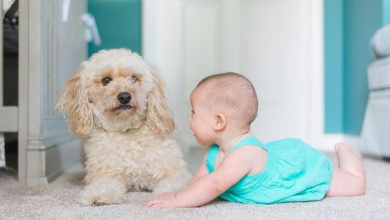
In the harmonious world of wagging tails and youthful laughter, the introduction of a beloved canine to a child can be a moment of pure magic—or unexpected chaos. Dogs, with their boundless energy and unwavering loyalty, often become cherished family members, while children bring curiosity and wonder to every encounter. Yet, the meeting of these two worlds requires a gentle touch and thoughtful preparation. In this guide, we explore the art of safely introducing your dog to children, ensuring a bond that is built on trust, respect, and mutual joy. Whether you’re a seasoned dog owner or a first-time pet parent, join us as we navigate the path to creating heartwarming friendships that last a lifetime.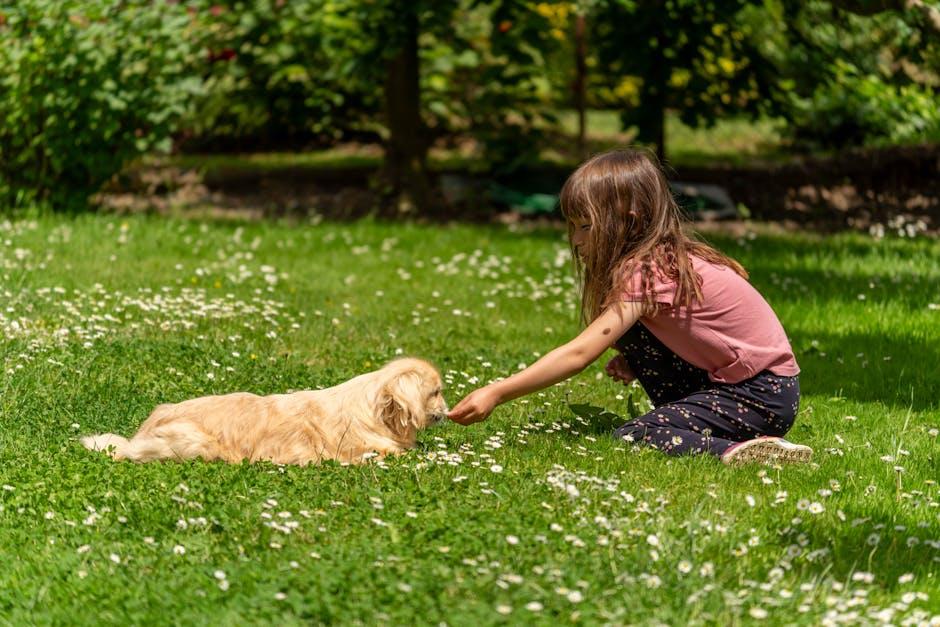
Understanding Canine and Child Behavior
Understanding the behavior of both dogs and children is crucial when facilitating a harmonious introduction. Dogs are instinctual creatures, often reacting to unfamiliar situations with curiosity or caution. Similarly, children can be unpredictable, driven by their innate curiosity and boundless energy. To ensure a positive interaction, it is essential to be aware of the following:
- Body Language Awareness: Pay attention to your dog’s body language. Signs of discomfort, such as a tucked tail, flattened ears, or yawning, should be addressed by giving the dog space.
- Teach Children Respect: Educate children on how to approach a dog calmly. Encourage them to let the dog sniff their hand before attempting to pet, and avoid sudden movements or loud noises.
- Supervision is Key: Always supervise interactions between dogs and children to prevent misunderstandings. This not only ensures safety but also helps build trust between the two.
By fostering an environment of mutual respect and understanding, both your dog and the children can enjoy a safe and enjoyable relationship. Remember, patience and attentiveness are your best allies in this process.
Creating a Positive First Meeting Environment
Ensuring a safe and welcoming environment for both your dog and the children is crucial for a successful first meeting. Start by choosing a neutral location, like a park or a quiet backyard, where your dog feels comfortable and the children can easily engage. It’s important to have the dog on a leash, allowing you to maintain control while the children approach slowly and calmly.
Before the interaction, guide the children on how to behave around dogs. Teach them to use a gentle voice, avoid sudden movements, and offer their hand for the dog to sniff. Here are some key points to consider:
- Stay Calm: Both adults and children should remain composed, as dogs can pick up on anxiety and stress.
- Observe Body Language: Watch for signs of discomfort in your dog, such as a tucked tail or avoiding eye contact.
- Respect Boundaries: Allow the dog to approach the children at its own pace. Forcing interaction can lead to stress or fear.
By creating an atmosphere of respect and patience, you lay the foundation for a positive and lasting relationship between your dog and the children.
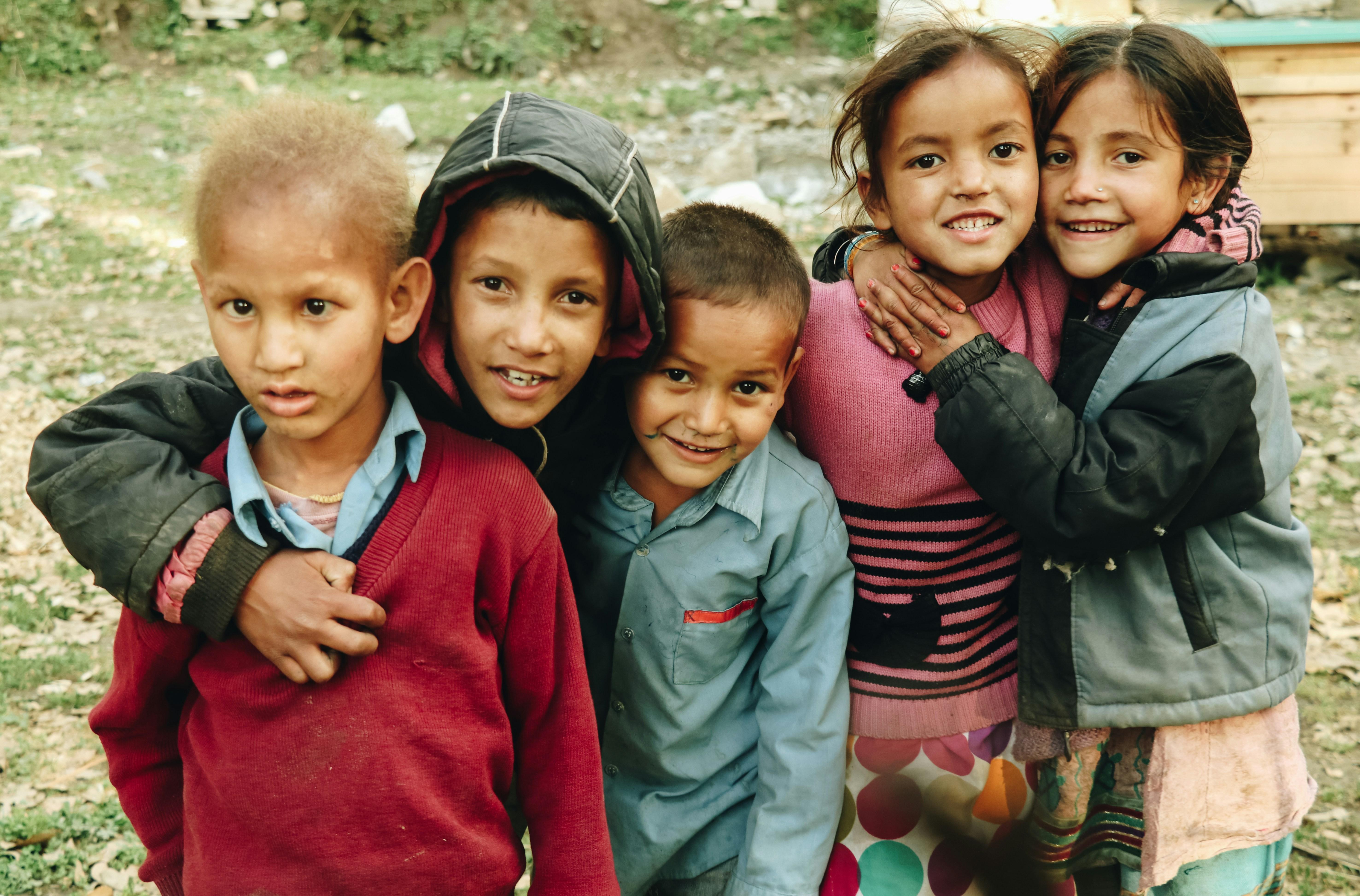
Teaching Children Respectful Interaction with Dogs
When it comes to nurturing a harmonious relationship between children and dogs, instilling a sense of respect is key. Encourage children to approach dogs with calmness and patience, understanding that, like humans, each dog has its own personality and boundaries. Here are some guidelines to help guide this interaction:
- Observe Body Language: Teach children to recognize signs of discomfort in dogs, such as growling, tail tucking, or avoiding eye contact.
- Approach Slowly: Remind kids to move slowly and speak softly when meeting a dog for the first time, giving the animal space to get comfortable.
- Gentle Touch: Demonstrate how to gently pet a dog, avoiding sensitive areas like the tail or face.
- Respectful Play: Encourage non-aggressive games that respect the dog’s space and physical capabilities.
By teaching these fundamental principles, children can learn to interact with dogs in a way that is both safe and respectful, laying the groundwork for a lifelong appreciation of these loyal companions.
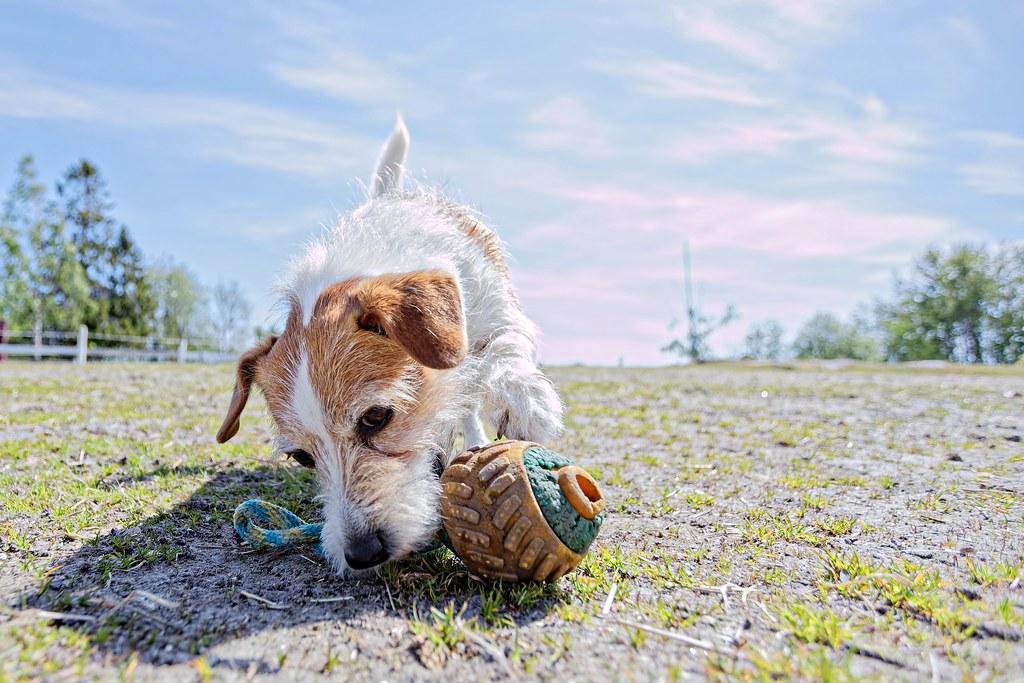
Monitoring and Reinforcing Safe Playtime Practices
Ensuring a safe and enjoyable interaction between your dog and children is paramount. Begin by setting clear boundaries and establishing a calm environment where both your dog and the children feel comfortable. Supervision is key—always have an adult present to oversee the playtime activities, especially during the initial interactions. Observe the dog’s body language for signs of discomfort or stress, such as tucked tails, growling, or avoiding eye contact, and intervene if necessary. Conversely, teach children to recognize these signals and respect the dog’s space, reinforcing positive behavior with gentle praise.
- Introduce them in a neutral, quiet space.
- Encourage gentle petting and soft voices.
- Provide toys that both the dog and children can enjoy together.
- Establish clear rules about not disturbing the dog while eating or sleeping.
- Regularly reinforce commands like “sit” or “stay” to maintain control.
By following these steps, you create a structured and positive environment that encourages safe play and strengthens the bond between your dog and the children. Consistency and patience are essential as both parties learn to interact harmoniously, ensuring a joyful and secure experience for everyone involved.