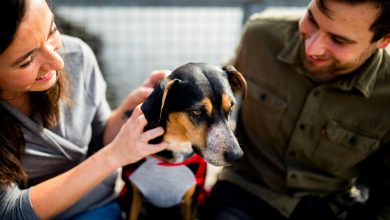
Introducing a dog to new environments can often be a daunting task, both for the pet and its owner. The unfamiliar sights, sounds, and smells can easily overwhelm a dog, leading to anxiety and unpredictable behavior. However, with the right approach and techniques, you can train your dog to remain calm and composed, regardless of the setting. This article aims to guide you through the process of acclimating your dog to new environments, offering practical strategies to foster a sense of security and confidence in your furry companion. Whether you’re planning a visit to the park, a trip to a friend’s house, or a vacation in a bustling city, these methods will help ensure that your dog remains relaxed and well-behaved, making the experience enjoyable for both of you.
Understanding Your Dogs Behavior in New Surroundings
When your furry friend finds themselves in unfamiliar settings, their behavior can be a mix of curiosity, excitement, and anxiety. Understanding these reactions is crucial for guiding them towards calmness. Dogs, much like humans, rely on their senses to interpret their environment. New smells, sights, and sounds can be overwhelming, leading to behaviors such as excessive barking, pacing, or even withdrawal. Recognizing these signs early allows you to tailor your training approach effectively.
- Observe Body Language: Pay attention to your dog’s body posture, tail position, and ear movements. These are key indicators of their comfort level.
- Introduce Gradually: Allow your dog to explore new environments at their own pace. Avoid overwhelming them with too many stimuli at once.
- Use Positive Reinforcement: Reward calm behavior with treats or praise to encourage a relaxed state.
- Maintain Consistency: Stick to familiar routines and commands to provide a sense of security.
By acknowledging and responding to your dog’s behavior cues, you can help them adjust more smoothly to new surroundings, fostering a sense of safety and calmness.
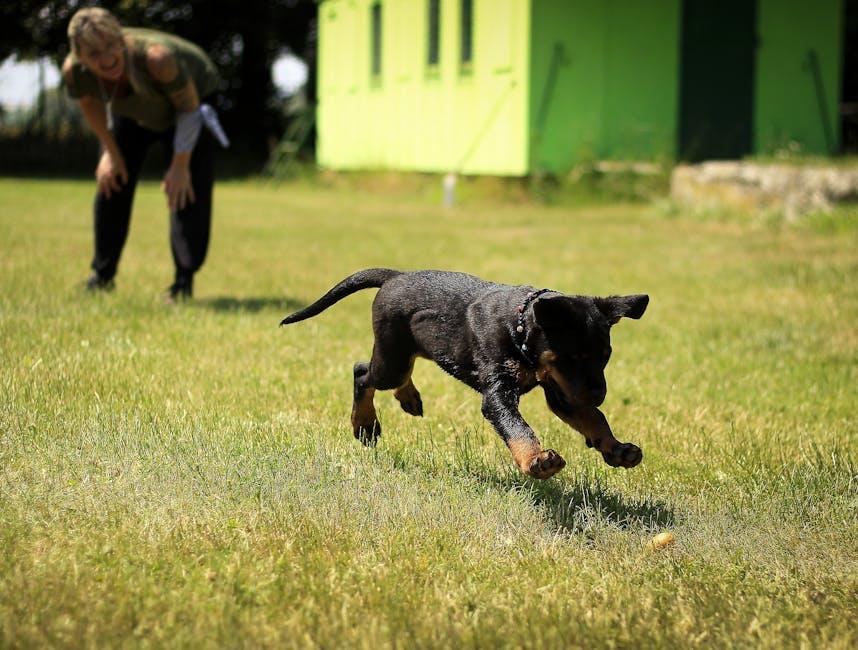
Effective Techniques for Building Confidence in Your Dog
Enhancing your dog’s confidence in unfamiliar settings is essential for their well-being and behavior. Here are some effective techniques you can employ:
- Positive Reinforcement: Reward your dog with treats or praise whenever they display calm behavior in new environments. This method encourages them to associate these places with positive experiences.
- Gradual Exposure: Slowly introduce your dog to new environments. Start with less crowded places and gradually move to busier areas, allowing them to adapt at their own pace.
- Desensitization: If your dog shows anxiety, use desensitization techniques by exposing them to the triggers in controlled settings. Pair these exposures with positive stimuli to reduce fear.
- Consistent Routines: Maintain a consistent daily routine to provide your dog with a sense of security, making it easier for them to handle new situations.
By incorporating these strategies, you’ll not only help your dog become more confident but also foster a stronger bond between you and your furry friend.

Gradual Exposure and Desensitization Strategies
Introducing your dog to new environments can be a daunting task, but with gradual exposure and desensitization, you can help your furry friend become more comfortable and calm. Start by identifying the elements that may trigger anxiety in your dog, such as loud noises, unfamiliar people, or other animals. Once you’ve pinpointed these triggers, you can create a plan to introduce them in a controlled manner. Begin with brief exposures to the new environment, ensuring your dog remains calm and relaxed. Gradually increase the duration and complexity of these sessions, allowing your dog to acclimate at their own pace.
- Start small: Introduce new stimuli one at a time to avoid overwhelming your dog.
- Use positive reinforcement: Reward calm behavior with treats or praise to reinforce positive associations.
- Monitor stress signals: Watch for signs of stress, such as panting or pacing, and adjust the exposure accordingly.
- Consistency is key: Regular practice helps your dog build confidence in new environments.
By systematically exposing your dog to new experiences and rewarding their calm behavior, you create a foundation of trust and security. This method not only eases anxiety but also fosters a more adaptable and resilient pet.
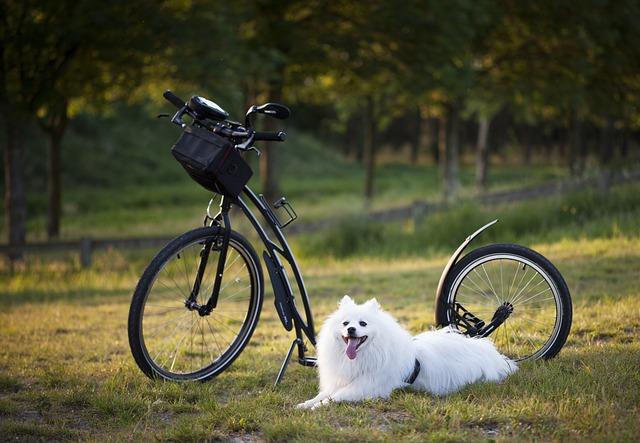
Creating a Safe and Comforting Environment for Your Dog
To ensure your dog feels secure and at ease, it’s essential to establish a safe and comforting environment that can help them adapt to new surroundings. Begin by familiarizing your dog with the area. Allow them to explore and sniff around, which helps them gather information and feel more comfortable. Make sure to bring along some of their favorite items, like a beloved toy or a cozy blanket, to provide a sense of familiarity.
- Create a designated space: Set up a specific area where your dog can retreat to if they feel overwhelmed. This could be a crate or a soft bed.
- Use calming aids: Consider utilizing calming sprays or diffusers with pheromones designed to reduce anxiety.
- Maintain a routine: Stick to feeding and walking schedules as closely as possible to provide a sense of normalcy.
- Engage in quiet activities: Offer puzzle toys or slow-feeder bowls to keep them occupied and distracted from any stressors.
By carefully curating their environment and maintaining a calm demeanor yourself, you can greatly enhance your dog’s ability to remain calm and collected in unfamiliar settings.