Navigating the intricate world of canine social interactions can be a daunting task for even the most seasoned pet owners. As our furry companions wag their way into new friendships, the initial meeting between dogs can sometimes be a source of anxiety, not only for the animals but also for their human counterparts. This article delves into the art and science of reducing anxiety during dog-to-dog introductions, offering practical insights and strategies to ensure these encounters are as smooth and stress-free as possible. By understanding canine body language, creating positive environments, and fostering confidence in both dogs and owners, we aim to transform these pivotal moments into the joyful beginnings of lifelong friendships. Whether you’re introducing a new puppy to a household veteran or helping your dog make new friends at the park, this guide is designed to equip you with the tools and knowledge to make every wag count.
Creating a Calm Environment for Successful Canine Greetings
To ensure a serene atmosphere during canine meet-and-greets, it’s essential to consider both the physical setting and the emotional state of the dogs involved. Start by choosing a neutral, open space that is free from distractions and potential stressors. This could be a quiet park or a backyard where both dogs can explore without feeling territorial. Avoid confined spaces where dogs might feel trapped, as this can escalate anxiety.
- Remain calm and composed: Dogs are highly attuned to human emotions, so maintaining a relaxed demeanor can help soothe their nerves.
- Use positive reinforcement: Reward calm behavior with treats or praise, which can encourage a peaceful interaction.
- Observe body language: Look for signs of stress or discomfort, such as tail tucking or growling, and intervene if necessary.
- Allow for breaks: Give the dogs time apart if the interaction becomes too intense, letting them regroup before trying again.
By thoughtfully orchestrating the environment and monitoring the interaction, you create a foundation for a successful and anxiety-free introduction, paving the way for a harmonious canine relationship.

Understanding Canine Body Language to Alleviate Tension
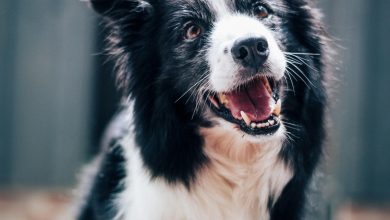
When introducing dogs to each other, it’s crucial to interpret their body language accurately to ensure a smooth and anxiety-free interaction. Dogs communicate a myriad of emotions through subtle cues, and understanding these can help in diffusing tension. Observe the tail: A wagging tail isn’t always a sign of happiness; the speed and position matter. A slow wag with a low tail might indicate uncertainty, while a high, stiff wag can signal agitation. Watch the ears: Ears pinned back or standing rigidly upright can be signs of stress or aggression. Notice the eyes: A direct stare may be a challenge, whereas averted gaze shows submission or avoidance.
- Body posture: A relaxed dog will have a loose, wiggly body. Tension or stiffness, especially in the legs and back, might indicate discomfort.
- Mouth and lips: A relaxed dog will have a slightly open mouth with a lolling tongue. Tight lips or bared teeth can be signs of tension.
- Vocalizations: Growls, whines, or excessive barking may indicate stress or a warning to back off.
By recognizing these signals, you can intervene appropriately to reduce anxiety, perhaps by giving the dogs more space, distracting them with treats, or offering gentle reassurance. This keen observation not only promotes a peaceful introduction but also strengthens your bond with your canine companion by acknowledging and respecting their communication.
Step-by-Step Guide to Structured Dog Introductions
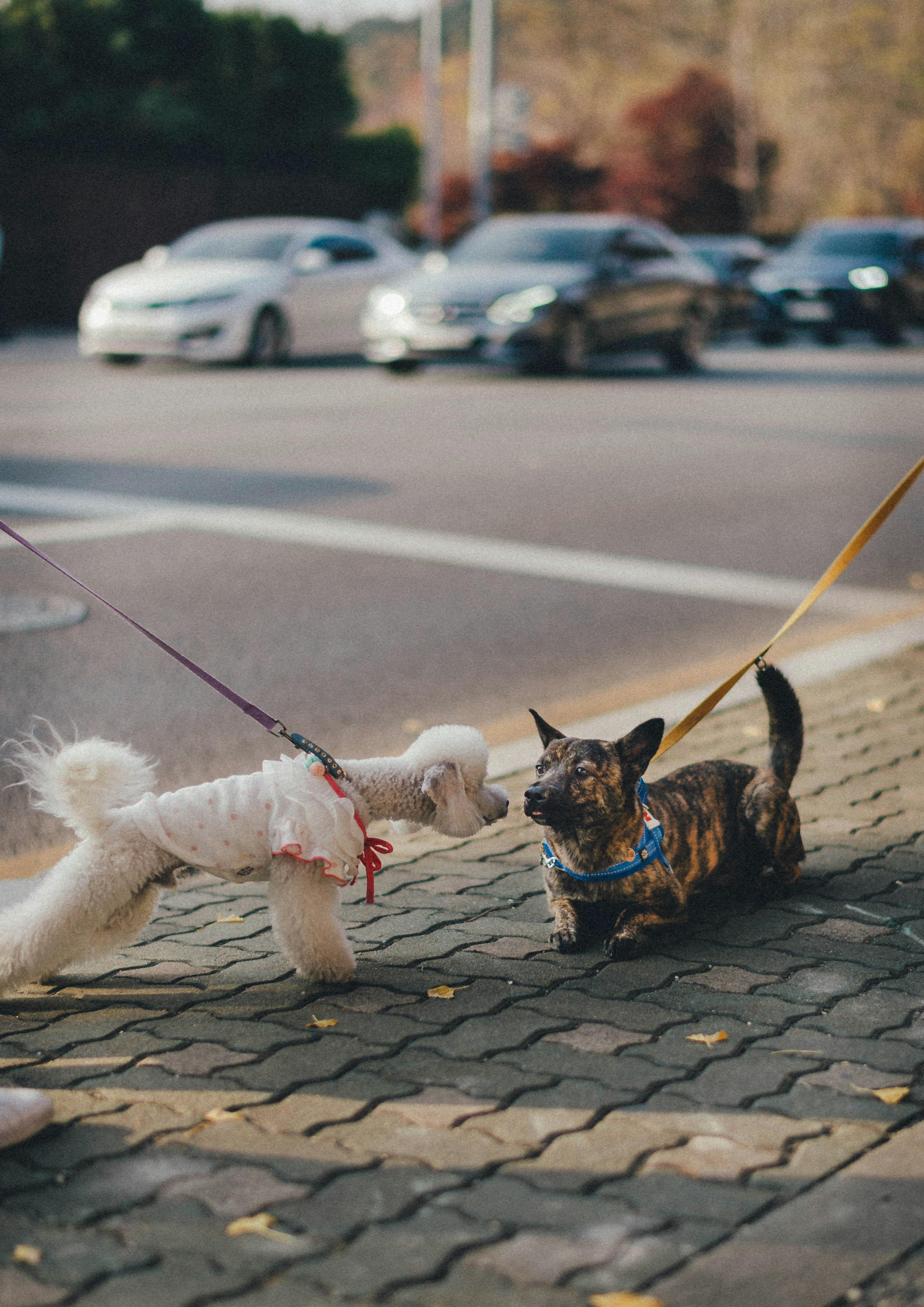
Facilitating a calm and successful meeting between dogs involves more than just letting them loose in a yard. A structured approach can significantly ease their anxiety and foster a positive relationship. Begin by choosing a neutral location for the initial encounter to prevent territorial behavior. Ensure both dogs are on a leash, maintaining a safe distance as they approach each other. Allow them to sniff and observe each other calmly. If either dog shows signs of stress, such as raised hackles or growling, calmly guide them apart and allow a break.
- Parallel Walking: Walk both dogs side by side, maintaining a comfortable distance. This shared activity can help reduce tension.
- Controlled Sniffing: Permit brief sniffing sessions, stepping in if either dog becomes overstimulated.
- Positive Reinforcement: Reward calm behavior with treats and praise to encourage relaxed interactions.
- Short Sessions: Keep the initial meetings brief, gradually increasing the duration as the dogs become more comfortable.
By taking these steps, you can create a more peaceful environment, reducing anxiety and paving the way for a harmonious relationship between the dogs.
Choosing the Right Time and Place for Stress-Free Encounters
Selecting the ideal moment and environment is crucial for facilitating harmonious interactions between dogs. Timing plays a significant role; opt for a time when both dogs are likely to be calm and not overly hungry or tired. Early mornings or late afternoons often work well, as they are generally less busy and offer a serene atmosphere. Consider the location carefully. A neutral, spacious area with minimal distractions can set the stage for a successful meeting. Parks with wide-open spaces or quiet trails provide ample room for exploration and personal space, helping to ease potential tensions.
Keep in mind a few key considerations when planning the introduction:
- Weather: Choose a day with mild weather conditions to ensure comfort for both dogs.
- Noise Levels: Avoid areas with loud noises or heavy foot traffic that could heighten anxiety.
- Presence of Other Dogs: Aim for locations with fewer dogs to minimize overstimulation.
By thoughtfully choosing the time and place, you create a setting conducive to positive and stress-free encounters, paving the way for budding canine friendships.