In the ever-evolving world of canine companionship, dog owners and trainers alike are constantly seeking the most effective ways to nurture and encourage good behavior in their four-legged friends. While positive reinforcement has long been hailed as a cornerstone of successful training, an intriguing question has begun to wag its way into conversations: is it possible to over-reinforce good behavior in dogs? This curious inquiry invites us to explore the delicate balance between praise and expectation, delving into the psychology of our beloved pets and the subtle art of communication that binds us. As we embark on this exploration, we’ll unravel the layers of reinforcement, examining its potential to both elevate and inadvertently complicate the relationship between humans and their canine companions.
Balancing Praise: Understanding the Limits of Positive Reinforcement
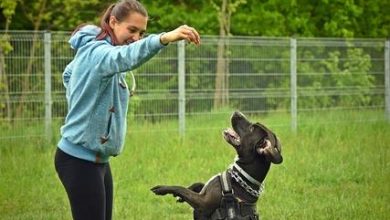
While positive reinforcement is a powerful tool in shaping a dog’s behavior, it’s crucial to understand its limits. Over-reinforcing can lead to unexpected consequences, such as a dog becoming overly dependent on rewards or even manipulating situations to receive them. Imagine a scenario where your furry friend starts performing tricks not out of enthusiasm, but simply to earn a treat, turning a genuine interaction into a transactional one.
- Loss of intrinsic motivation: Excessive rewards can diminish a dog’s natural desire to perform certain behaviors simply for enjoyment.
- Reward dependency: Dogs may start expecting treats for actions they should naturally engage in, like coming when called.
- Unintended behaviors: Over-reinforcement might encourage behaviors that are not desirable, as dogs attempt to earn rewards through any means.
Striking a balance is key. By gradually reducing the frequency of rewards and incorporating other forms of praise, such as verbal affirmations or affection, you can maintain a healthy level of motivation without over-reliance on treats.

Signs of Over-Rewarding: When Good Behavior Becomes a Problem
While rewarding good behavior is a cornerstone of effective dog training, it’s important to recognize when it might be going too far. Over-rewarding can inadvertently lead to undesirable consequences. Excessive reinforcement can make a dog overly dependent on treats or praise, expecting rewards for even the smallest actions. This could result in a lack of initiative to perform tasks without immediate gratification, ultimately hindering their ability to learn new skills or adapt to changing environments.
- Dependency on Rewards: Your dog may start to refuse commands unless a reward is visibly present.
- Decreased Motivation: If rewards are expected for every action, the intrinsic motivation to please or explore might diminish.
- Behavioral Stagnation: A dog might stop learning new tricks or commands, relying on the same behaviors that are consistently rewarded.
- Increased Anxiety: In some cases, the lack of a reward can cause stress or confusion, disrupting the dog’s sense of security.
Crafting the Perfect Reward Strategy: Tips for Dog Owners
When crafting a reward strategy for your canine companion, balance is key. While positive reinforcement is a cornerstone of effective dog training, it’s essential to ensure that rewards are given thoughtfully to avoid over-reinforcement. Over-reinforcing can lead to your dog expecting a treat for every action, which might dilute the impact of rewards over time. To strike the right balance, consider these tips:
- Vary the Rewards: Instead of always offering treats, mix in praise, playtime, or a favorite toy. This variety keeps your dog engaged and makes the rewards more meaningful.
- Use Rewards Wisely: Reserve high-value rewards for new or challenging behaviors, and gradually transition to less frequent rewards as your dog masters the behavior.
- Be Consistent: Ensure that all family members are on the same page regarding the reward strategy to maintain consistency and clarity for your dog.
- Pay Attention to Timing: Deliver rewards immediately after the desired behavior to help your dog make a clear connection between the action and the reward.
By being mindful of how and when you reward your dog, you can foster an environment where good behavior is naturally reinforced, promoting a happy and well-behaved pet without over-reliance on treats.
Striking the Right Balance: Maintaining Consistency in Training
Finding the sweet spot in dog training requires a delicate touch. It’s essential to ensure that training sessions are regular enough to instill good habits but not so frequent that they become monotonous or overwhelming for your furry friend. A consistent schedule helps to reinforce desired behaviors effectively, yet maintaining flexibility is crucial to accommodate the dog’s mood and energy levels. To strike this balance, consider integrating a variety of exercises and rewards into your routine. This approach keeps training sessions engaging and prevents both the trainer and the dog from falling into a repetitive loop.
- Mix up training locations: Varying the environment can help generalize the behavior across different settings.
- Use diverse rewards: Alternate between treats, toys, and praise to keep your dog motivated.
- Incorporate play: Short play sessions between training can refresh your dog’s mind and make learning fun.
- Be mindful of session length: Keep training sessions short and sweet to maintain your dog’s attention.
By focusing on these strategies, you can maintain consistency without falling into the trap of over-reinforcement, ensuring that your dog remains eager to learn and grow.