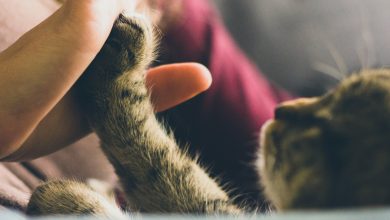
Pets have long held a cherished place in human hearts and homes, offering companionship, joy, and an undeniable sense of comfort. Whether it’s the wag of a dog’s tail at the end of a long day or the soothing purr of a cat nestled on a lap, the bonds we form with our animal companions are profound and deeply rooted in our psychology. But what is it about these relationships that make them so special? How do they shape our emotional landscapes and influence our well-being? In this article, we’ll explore the fascinating world of pet bonding and attachment, delving into the psychological underpinnings that drive these connections. By understanding the dynamics of our relationships with pets, we can gain insights into not only how they enhance our lives but also how we, in turn, can nurture and strengthen these unique bonds. Join us as we unravel the science and sentiment behind the human-animal connection, revealing why these relationships are more than just a matter of companionship—they’re an integral part of our emotional fabric.
The Science Behind Pet-Human Connections
At the heart of the profound bond between humans and their pets lies a fascinating interplay of psychology and biology. Research suggests that the release of hormones such as oxytocin plays a pivotal role in fostering attachment. Known as the “love hormone,” oxytocin is responsible for feelings of trust and empathy, and its levels increase in both humans and animals during positive interactions. This mutual hormonal boost not only strengthens the bond but also enhances overall well-being.
- Shared experiences: Engaging in activities like playing, walking, or even just cuddling helps build a reservoir of positive memories.
- Non-verbal communication: Pets are masters of reading human body language and facial expressions, which helps in establishing a deeper understanding.
- Consistency and routine: Regular feeding, grooming, and exercise contribute to a sense of security and trust.
In essence, the connection between pets and their humans is a dynamic blend of emotional and physiological interactions, making it a unique relationship cherished by many across the globe.

Emotional Benefits of Strong Pet Bonds
Developing a deep connection with a pet can significantly enhance emotional well-being, offering a myriad of psychological advantages. The companionship of a pet can foster a sense of belonging and purpose, which is especially beneficial for individuals who may feel isolated or lonely. This bond can lead to the release of oxytocin, often referred to as the “love hormone,” which promotes feelings of happiness and reduces stress levels.
- Reduced Stress and Anxiety: Spending time with pets can lower cortisol levels, helping to alleviate anxiety.
- Enhanced Mood: The unconditional love and affection from pets can lead to an increase in dopamine and serotonin levels, improving overall mood.
- Increased Self-Esteem: Caring for a pet provides a sense of responsibility and achievement, boosting self-confidence.
- Improved Emotional Resilience: Pets offer unwavering support, helping their owners cope better with life’s challenges.
Moreover, the routine of pet care can instill a sense of stability and predictability in one’s life, contributing to emotional resilience. The emotional benefits of having a pet extend beyond mere companionship; they foster a nurturing environment where both pets and their humans thrive together.

Building a Lasting Relationship with Your Pet
Understanding the intricate dance of bonding and attachment with your pet can unlock the secret to a lifelong companionship filled with joy and mutual respect. Pets, much like humans, are capable of forming deep emotional connections that are influenced by their unique personalities, past experiences, and the environment you provide. This relationship is built on a foundation of trust and consistency, which helps your pet feel secure and valued. By recognizing the cues your pet gives, whether through body language, vocalizations, or behavior, you can respond appropriately and nurture this connection. Key elements to focus on include:
- Consistency in Routine: Pets thrive on predictability. Establishing a regular schedule for feeding, walks, and playtime can help your pet feel secure.
- Positive Reinforcement: Reward your pet for good behavior with treats, praise, or affection. This encourages them to repeat the desired behavior.
- Understanding Body Language: Learn to interpret your pet’s signals. This can help in identifying their needs and emotions, strengthening your bond.
- Quality Time: Spend dedicated time with your pet, engaging in activities they enjoy, whether it’s a game of fetch, a grooming session, or simply lounging together.
By integrating these elements into your daily interactions, you cultivate an environment where your pet feels loved and understood, paving the way for a harmonious relationship that stands the test of time.

Practical Tips for Enhancing Pet Attachment
Building a strong bond with your pet involves understanding their unique needs and preferences. To enhance this connection, consider the following practical tips:
- Engage in Interactive Play: Spend quality time playing with your pet using toys that stimulate their natural instincts. For dogs, this might mean games of fetch or tug-of-war, while cats might enjoy chasing a feather wand or laser pointer.
- Establish a Routine: Pets thrive on routine, which helps them feel secure. Set regular times for feeding, walks, and play sessions. Consistency in your schedule helps your pet anticipate activities, reducing anxiety and strengthening your bond.
- Learn Their Body Language: Understanding your pet’s cues can significantly enhance your relationship. Pay attention to their signals of comfort or distress, such as tail wagging or purring, and respond appropriately to reinforce trust.
- Positive Reinforcement: Reward good behavior with treats, praise, or extra attention. This not only encourages desirable actions but also deepens your pet’s attachment to you as they associate you with positive experiences.
Incorporating these strategies into your daily interactions can lead to a more fulfilling and affectionate relationship with your pet, fostering a deeper mutual understanding and appreciation.