In a world bustling with new faces and unfamiliar scents, even the most curious canine can find themselves overwhelmed. For dogs that are naturally nervous around new people, each introduction can feel like a daunting challenge. But just as humans have their quirks and qualms, our four-legged companions experience a spectrum of emotions that deserve understanding and patience. This article delves into the art of socialization, offering insightful tips and strategies to help ease the anxiety of dogs who tremble at the thought of meeting someone new. Whether your furry friend is a shy pup or an older dog set in its cautious ways, these techniques aim to transform apprehensive encounters into positive experiences, fostering a more confident and well-adjusted pet. Join us as we explore the delicate dance of canine socialization, where empathy and patience pave the way for new friendships and wagging tails.
Building Trust: Creating a Safe Space for Your Nervous Dog
Establishing a sense of security for your nervous dog begins with understanding their unique needs and boundaries. Patience is key—rushing or forcing interactions can exacerbate anxiety. Start by introducing your dog to new people in a controlled environment where they feel safe. Encourage visitors to sit quietly and let your dog approach them on their own terms. This gradual exposure helps build confidence without overwhelming your pet.
- Respect their space: Allow your dog to retreat if they feel uncomfortable.
- Use positive reinforcement: Reward calm behavior with treats and praise.
- Set up practice scenarios: Invite friends over for short, positive interactions.
- Incorporate familiar items: Bring along their favorite toy or blanket to new settings.
- Observe body language: Learn to read signs of stress and adjust accordingly.
Gentle Introductions: Step-by-Step Guide to Meeting New People
Introducing your furry friend to new people can be a gentle journey with the right approach. Start by creating a calm environment where your dog feels safe. Gradually introduce them to new people in a familiar setting, allowing your dog to approach at their own pace. Avoid any sudden movements or loud noises that might startle them. It’s important to encourage your dog with positive reinforcement, like treats or gentle praise, when they exhibit calm behavior around strangers.
- Maintain Distance: Initially, keep a comfortable distance between your dog and the new person. Allow your dog to observe from afar before moving closer.
- Use Scent Introduction: Let the new person offer an item with their scent, such as a piece of clothing, to your dog. This helps your pet get accustomed to their presence.
- Reward Calmness: Reward your dog when they remain calm or show interest without fear. This reinforces positive associations with new people.
- Short Sessions: Keep the initial meetings brief. Gradually increase the time as your dog becomes more comfortable.
Patience is key. Each dog is unique, so take cues from their behavior and adjust your approach accordingly. With time, your furry companion can learn to enjoy meeting new people, enriching their social experiences.
Understanding Canine Body Language: Recognizing Signs of Stress
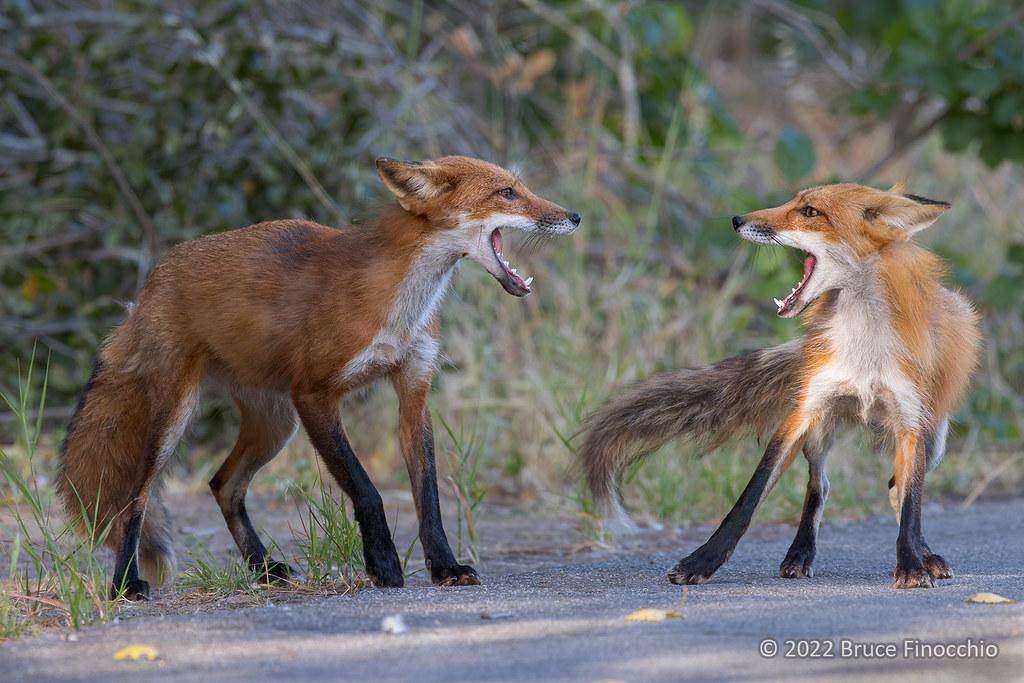
Recognizing when your dog is feeling uneasy is crucial for successful socialization. Dogs often express stress through subtle physical cues, and being attentive to these signals can help you manage interactions more effectively. Some common signs of canine stress include:
- Tucked tail: A tail positioned low or between the legs can indicate anxiety.
- Ears pulled back: When a dog’s ears are pinned back, it often suggests discomfort or nervousness.
- Lip licking or yawning: These actions, especially when not related to hunger or tiredness, can be stress indicators.
- Avoidance behaviors: Turning away, hiding behind you, or trying to escape are clear signs your dog is not comfortable.
- Panting or drooling: Excessive panting or drooling, not related to exercise or heat, can signal stress.
Understanding these signs allows you to tailor socialization experiences to your dog’s comfort level, ensuring each encounter is positive and reinforcing their confidence in new situations. Creating a calm environment and allowing your dog to approach new people at their own pace can significantly reduce stress and foster better social interactions.
Positive Reinforcement: Encouraging Confidence in Social Situations
Positive reinforcement is a powerful tool in helping dogs build confidence in social situations. By rewarding your furry friend for calm and friendly behavior around new people, you can gradually reduce their anxiety and promote positive associations. Here are some tips to effectively use this technique:
- Timing is Key: Ensure that the reward is given immediately after the desired behavior. This helps your dog connect the action with the positive outcome.
- Choose the Right Reward: Find out what motivates your dog the most. It could be a favorite treat, a toy, or even verbal praise.
- Start Small: Begin with less intimidating environments or fewer people, gradually increasing the level of difficulty as your dog becomes more comfortable.
- Consistency Matters: Regular practice is essential. Keep sessions short and engaging to maintain your dog’s interest and enthusiasm.
By integrating positive reinforcement into your dog’s socialization routine, you can help them navigate interactions with new people more confidently. Over time, your dog will learn that meeting new friends can be a rewarding and enjoyable experience.