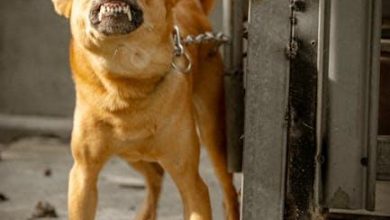
In a world where dogs have rightfully earned the title of “man’s best friend,” the bond between humans and their canine companions is both profound and irreplaceable. Yet, for some dogs, this deep connection can lead to a challenging condition known as separation anxiety. As pet owners, we are often left grappling with the heart-wrenching reality of leaving our furry friends alone, knowing the distress it may cause them. But fear not, for there are ways to alleviate their anxiety and foster a more harmonious environment for both pet and owner. This article delves into the art and science of effective socialization strategies, offering a lifeline to those seeking to ease their dog’s separation anxiety. Through understanding, patience, and practical techniques, we can transform anxious moments into opportunities for growth and resilience, ensuring that our beloved pets feel secure even in our absence.
Building Confidence Through Gradual Exposure
Helping your dog overcome separation anxiety requires a methodical approach that gently introduces them to new experiences. This method of gradual exposure involves slowly acclimating your furry friend to situations that might initially cause them distress. The key is to introduce these scenarios in a controlled manner, allowing your dog to adjust at their own pace. Start by identifying triggers that cause anxiety, such as your departure from the house or the sight of a suitcase. Gradually expose your dog to these triggers in a safe and comfortable environment.
- Begin with short absences: Leave the house for just a few minutes, gradually increasing the time away as your dog becomes more comfortable.
- Introduce calming cues: Use a specific word or sound that reassures your dog you’ll return soon, and consistently pair it with positive experiences.
- Practice desensitization: Create a routine where you prepare to leave (e.g., putting on shoes, grabbing keys) but don’t actually leave, reducing the association of these actions with your absence.
Through these small, manageable steps, your dog will learn to trust that your departures are temporary and that they are safe in your absence. This method not only builds their confidence but also strengthens your bond as you guide them through overcoming their fears.
Creating a Safe and Stimulating Environment
Crafting an environment that feels both secure and engaging is crucial for dogs grappling with separation anxiety. Start by designating a safe space where your dog can retreat to when feeling anxious. This area should be quiet, comfortable, and filled with familiar items such as their favorite toys or blankets. Consider using calming scents like lavender or chamomile, which can have a soothing effect. Additionally, playing gentle music or white noise can help drown out external sounds that might trigger anxiety.
To keep your dog mentally stimulated, incorporate a variety of interactive toys and puzzles. These can help distract them from the stress of being alone. Rotating toys regularly keeps the environment fresh and exciting. It’s also beneficial to leave out chew toys or treat-dispensing puzzles that can occupy their attention for longer periods. For added enrichment, consider setting up a window perch where your dog can observe the world outside, offering a dynamic view that can entertain and relax them.

Incorporating Positive Reinforcement Techniques
One of the most effective ways to address separation anxiety in dogs is through the use of positive reinforcement techniques. By rewarding desirable behaviors, you can help your furry friend build confidence and reduce anxiety. Here are some key strategies to consider:
- Consistency is Key: Always reward the same behavior in the same way. This helps your dog understand what is expected and reduces confusion.
- Immediate Rewards: Ensure that rewards are given immediately after the desired behavior. This helps your dog make a clear connection between the action and the reward.
- Variety of Rewards: Use a mix of treats, praise, and playtime to keep your dog engaged and motivated. This variety prevents boredom and maintains interest.
- Gradual Progression: Start with small, manageable tasks and gradually increase the difficulty. Celebrate each success with positive reinforcement, building your dog’s confidence over time.
By consistently applying these techniques, you create a supportive environment where your dog feels secure and encouraged to embrace new social situations. This approach not only alleviates anxiety but also strengthens the bond between you and your pet.
Engaging Professional Help and Support
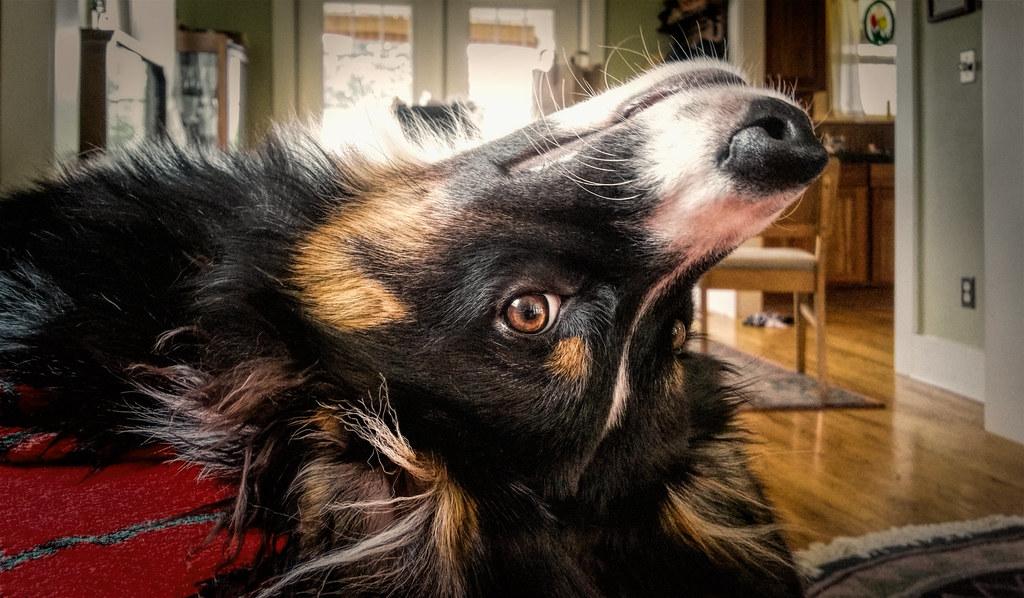
Addressing separation anxiety in dogs can often require the expertise of trained professionals. Engaging with a certified dog trainer or a behaviorist can provide tailored strategies that specifically cater to your dog’s unique needs. These experts have the tools and knowledge to create a structured plan that focuses on positive reinforcement and gradual desensitization, which can significantly improve your dog’s ability to cope with being alone.
Additionally, seeking help from a veterinarian may be beneficial, especially if your dog’s anxiety is severe. They can rule out any underlying health issues and, if necessary, prescribe medication that can ease anxiety symptoms, allowing other behavioral interventions to be more effective. Consider also exploring support groups or online communities where you can share experiences and gain insights from others facing similar challenges. The collective wisdom of these groups can offer valuable tips and encouragement, making the journey less daunting.