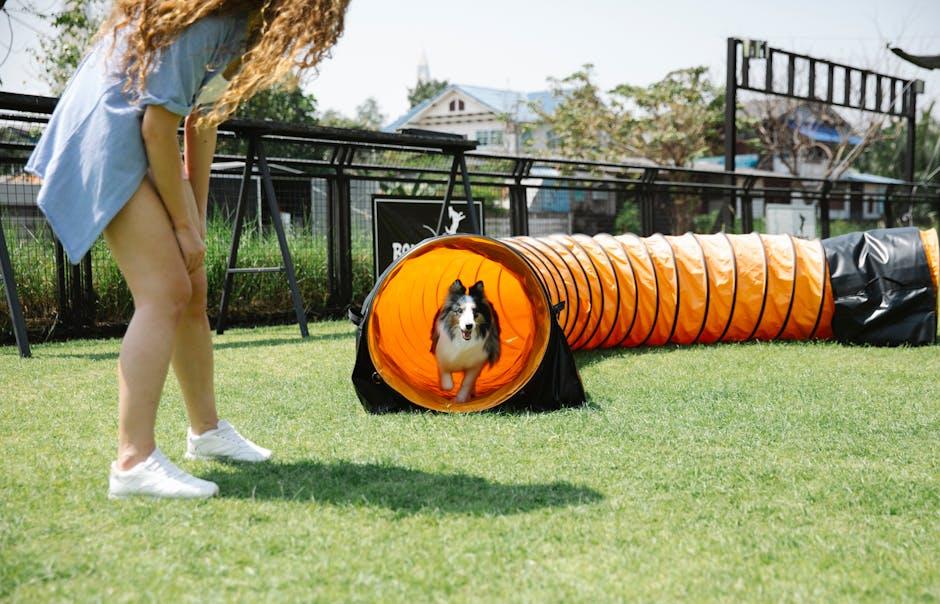
Welcome to the exciting world of competitive dog sports, where athleticism, agility, and teamwork between handler and dog are put to the test. Whether you’re a seasoned competitor or a newcomer eager to explore this thrilling realm, understanding advanced training routines is key to unlocking your dog’s full potential. In this article, we’ll delve into the strategies and techniques that can elevate your training regimen, ensuring your canine companion is not only prepared but excels in the competitive arena. With a focus on both physical and mental conditioning, we’ll guide you through the essentials of building a well-rounded, resilient, and enthusiastic athlete. So, grab your training gear and get ready to embark on a journey that strengthens the bond with your four-legged partner while achieving new heights in performance. Let’s dive in!
Building Endurance and Strength for Peak Performance
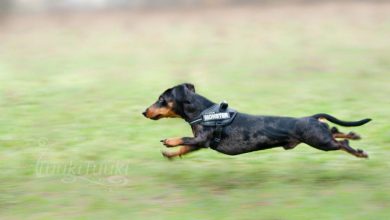
Achieving peak performance in competitive dog sports requires a strategic approach to building both endurance and strength in your canine athlete. Begin by incorporating a mix of interval training and long-distance runs to enhance cardiovascular endurance. Interval training, such as sprinting for short bursts followed by a recovery period, can improve speed and agility, while long-distance runs help build stamina. Adjust the intensity and duration gradually to match your dog’s current fitness level.
Strength training is equally crucial. Incorporate exercises like hill climbs, tug-of-war sessions, and agility courses to build muscle tone and improve overall power. These activities not only strengthen your dog’s core and limb muscles but also enhance coordination and balance. Remember to maintain a balanced routine, alternating between endurance and strength sessions to prevent fatigue and injury. Keep training sessions engaging with a variety of activities and always prioritize safety by ensuring your dog warms up properly before starting intense exercises.
Enhancing Agility and Precision with Targeted Drills
To elevate your dog’s performance in competitive sports, it’s essential to focus on drills that enhance both agility and precision. Agility can be improved by incorporating exercises that challenge your dog’s speed and coordination. Set up a series of weave poles and tunnels, encouraging your dog to navigate through them swiftly. Practice sharp turns and quick direction changes to improve their ability to respond rapidly to cues.
Precision is equally important and can be developed through targeted exercises. Consider implementing drills that require your dog to perform specific tasks with accuracy, such as fetching an item from a designated area or executing a flawless sit-stay command amidst distractions. Here are some activities to incorporate:
- Target Training: Use markers or mats to teach your dog to hit specific targets, enhancing their focus and control.
- Distance Commands: Practice commands from a distance to improve obedience and response time.
- Obstacle Sequencing: Introduce complex sequences of obstacles that require precise navigation, rewarding accuracy and smooth transitions.
These targeted drills not only sharpen your dog’s physical skills but also boost their mental acuity, preparing them for the demands of competitive environments.
Mental Stimulation Techniques for Focused Training
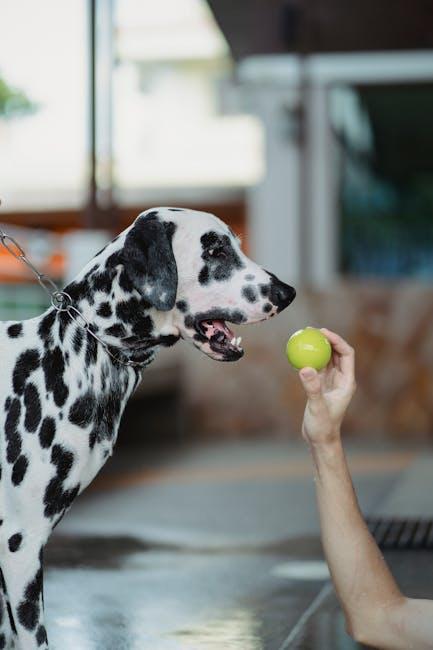
To enhance your dog’s mental acuity and focus during competitive training, incorporating various mental stimulation techniques can be invaluable. These techniques not only boost their cognitive abilities but also keep them engaged and eager to learn. Consider implementing puzzle toys that challenge your dog’s problem-solving skills, such as treat-dispensing puzzles or interactive toys that require manipulation. These tools are excellent for building patience and concentration, essential traits for any competitive dog sport.
Another effective method is to introduce training games that incorporate basic obedience commands with a twist. For instance, try a game of hide and seek with their favorite toy or practice agility courses with surprise elements. This not only strengthens their focus but also reinforces the bond between you and your dog. Additionally, practicing scent work can significantly enhance their ability to concentrate. Simple scent games like hiding treats around the house or garden can provide mental stimulation and increase their ability to remain focused during high-pressure situations. Remember, a mentally stimulated dog is a happy and successful competitor!
Nutrition and Recovery Tips for Canine Athletes
Ensuring optimal nutrition and recovery is crucial for the performance and health of canine athletes. A balanced diet rich in high-quality proteins, fats, and carbohydrates is essential. Proteins support muscle repair and growth, while healthy fats provide sustained energy. Carbohydrates should be included to replenish glycogen stores after intense training sessions. Consider incorporating the following into your dog’s diet:
- Lean meats such as chicken, turkey, and fish.
- Whole grains like brown rice and quinoa.
- Fruits and vegetables for vitamins and antioxidants.
Recovery is as important as training itself. Allowing time for rest and employing techniques like massage or hydrotherapy can significantly aid in recovery. Ensure your dog stays hydrated, as water is vital for muscle function and overall health. Supplements such as omega-3 fatty acids and glucosamine can also be beneficial in maintaining joint health and reducing inflammation. Always consult with a veterinarian before introducing new supplements to ensure they’re safe for your dog.