
In the quiet moments of dawn, as the world stirs to life, a small bundle of energy with curious eyes and a wagging tail embarks on its journey into a vast, unfamiliar world. This is your puppy, a creature brimming with potential and ready to explore every scent, sound, and sight. However, the path to becoming a well-adjusted adult dog requires more than just time and growth; it demands a deliberate and thoughtful approach to socialization. Socializing your puppy is akin to planting seeds in a garden, where the care and attention you provide now will blossom into a future of harmonious behavior and companionship. In this article, we delve into the art and science of puppy socialization, offering insights and strategies to ensure that your four-legged friend develops the confidence and social skills needed to navigate life’s myriad encounters. Whether you’re a first-time puppy parent or an experienced dog owner, understanding the nuances of socialization will empower you to prevent future behavior issues and nurture a happy, well-rounded canine companion.
Building Positive Experiences Early on
Fostering a puppy’s social skills is akin to planting seeds that will bloom into a well-adjusted adult dog. Early interactions with diverse environments, people, and other animals can lay the foundation for a lifetime of positive experiences. Consider these strategies to help your puppy thrive:
- Exposure to Varied Environments: Introduce your puppy to different settings such as parks, urban areas, and quiet countryside spots. This variety helps them become adaptable and reduces anxiety in unfamiliar situations.
- Meeting Different People: Encourage interactions with people of different ages, appearances, and voices. These encounters will teach your puppy that humans come in many forms, all of which can be friendly and safe.
- Encounters with Other Animals: Arrange playdates with other vaccinated dogs and supervised introductions to cats or other household pets. This will help your puppy learn appropriate behavior and develop confidence around other animals.
By ensuring these early experiences are positive and diverse, you are nurturing a puppy who views the world as a place of wonder rather than fear. This foundational work helps prevent future behavior issues and sets the stage for a harmonious relationship with your furry friend.

Navigating Puppy Playdates with Confidence
Introducing your puppy to playdates can be a delightful experience for both of you, as long as you approach it with the right mindset. To ensure a smooth interaction, begin by selecting the right environment—neutral territory like a local park or a friend’s yard can be less intimidating than a home setting. Monitor their body language closely, as this will provide insights into their comfort level. Puppies, much like humans, have different personalities; some may dive right in, while others need a bit more time to warm up.
Here are a few tips to help make these interactions positive:
- Start Small: Begin with one-on-one playdates before introducing your puppy to larger groups.
- Bring Treats: Use treats to reward good behavior and create positive associations with socializing.
- Watch for Overstimulation: Keep an eye out for signs of overstimulation, like excessive barking or retreating, and give your puppy breaks as needed.
- Encourage Gentle Play: Reinforce gentle play by redirecting any rough behavior with toys or commands.
Remember, the goal is to foster a sense of confidence and comfort in your puppy during these early social experiences, laying the groundwork for well-adjusted behavior in the future.
Introducing Your Puppy to Diverse Environments
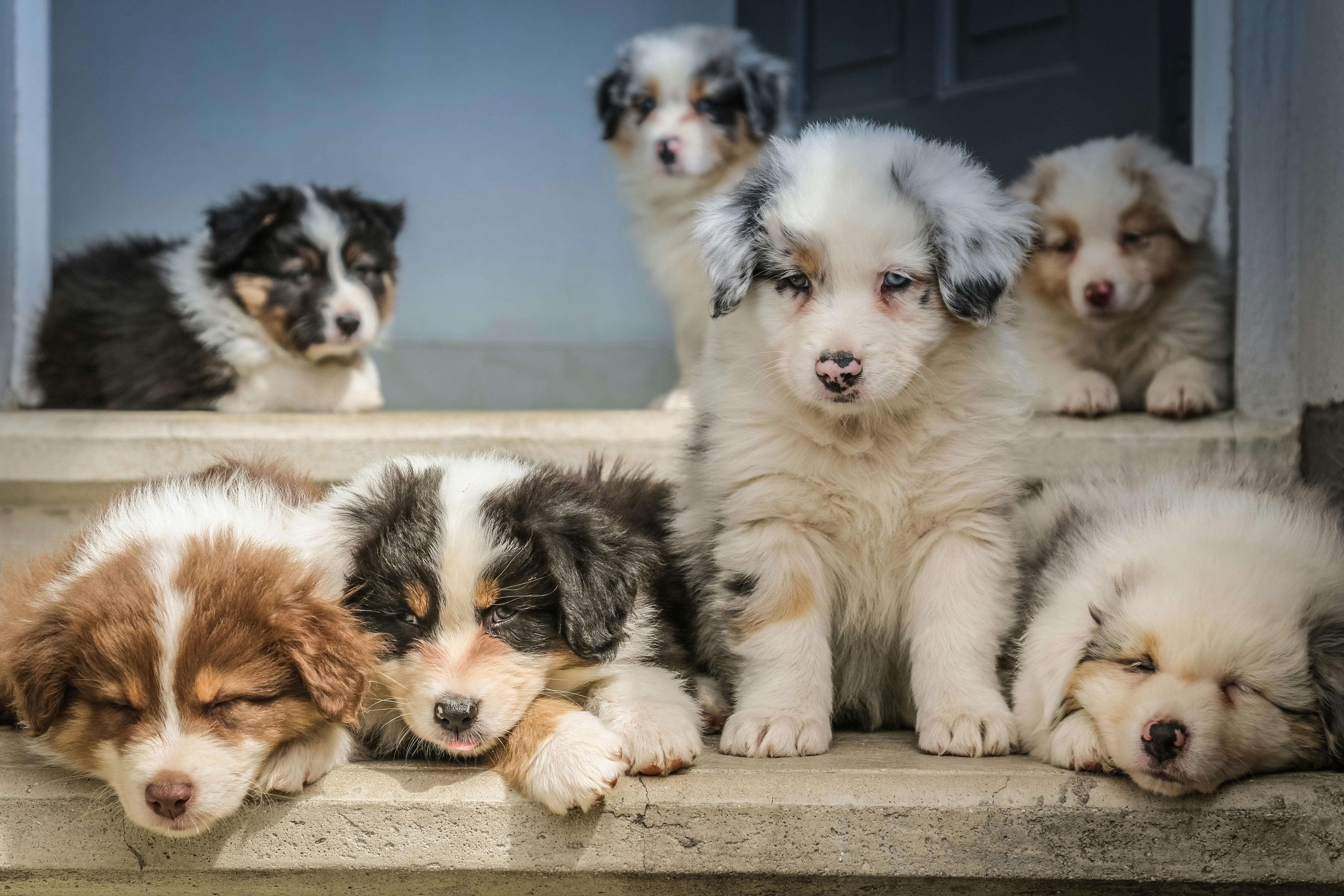
Fostering Calm and Composed Interactions
Creating a serene environment for your puppy is crucial for their development into a well-adjusted adult dog. Puppies often mirror the energy around them, so it’s important to cultivate a calm atmosphere during socialization. Begin by setting up controlled interactions with new people and animals. Ensure these introductions are done in a quiet space where your puppy feels safe and secure. This encourages positive associations and reduces the likelihood of anxiety-driven behaviors.
Here are some tips to foster calm interactions:
- Stay Composed: Maintain a gentle tone and steady movements to reassure your puppy.
- Reward Calmness: Offer treats and praise when your puppy remains relaxed during interactions.
- Limit Stimulation: Gradually increase exposure to new environments and sounds to avoid overwhelming your puppy.
- Consistent Routine: Establish a predictable routine to help your puppy feel secure and confident.
By promoting calm and composed interactions, you set the foundation for a harmonious relationship between your puppy and the world around them.