
In the bustling world of wagging tails and playful barks, dogs have long been cherished companions, filling our lives with joy and warmth. Yet, even the most beloved canine can sometimes develop habits that test our patience and challenge our resolve. From incessant barking to chewing on furniture, these behaviors can strain the harmonious bond we share with our four-legged friends. Enter the transformative power of positive reinforcement—a gentle, yet remarkably effective approach to reshaping canine conduct. In this exploration of positive reinforcement for correcting bad habits in dogs, we delve into the art and science of guiding our furry companions toward better behavior, fostering a relationship built on trust, understanding, and mutual respect. Join us as we uncover the techniques and benefits of this compassionate training method, paving the way for happier homes and wagging tails.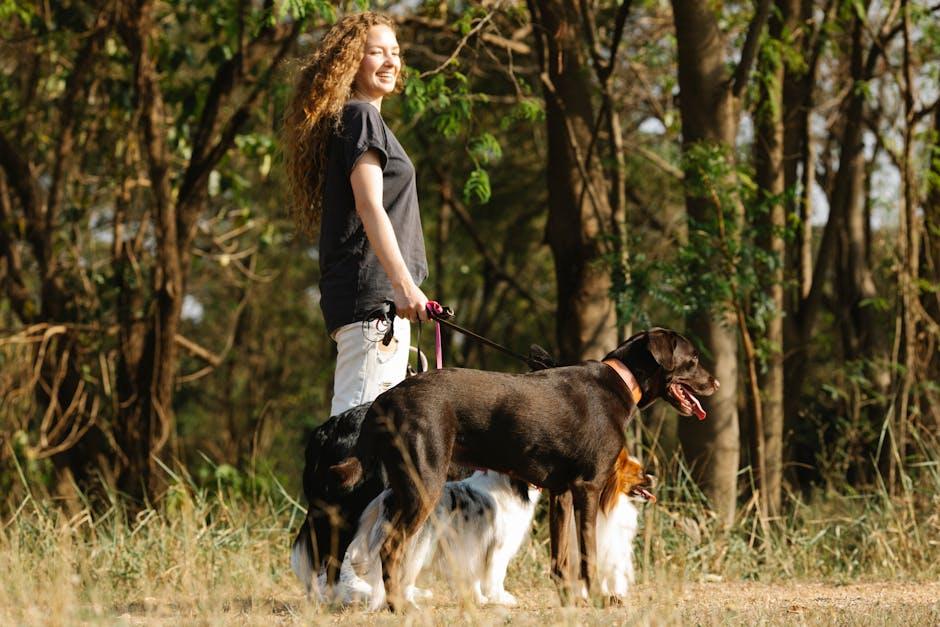
Understanding the Science Behind Positive Reinforcement
At its core, positive reinforcement leverages the basic principles of behavioral science, which suggest that behaviors followed by favorable outcomes are more likely to be repeated. This technique is particularly effective in dog training because it taps into the natural instincts of dogs to seek rewards. By associating good behavior with positive outcomes, such as treats, praise, or playtime, dogs can quickly learn to replace undesirable actions with more acceptable ones.
- Immediate Rewards: Timing is crucial. The reward should be given immediately after the desired behavior to ensure the dog associates the action with the positive outcome.
- Consistency is Key: Consistently rewarding good behavior helps reinforce the desired habit. It creates a clear connection in the dog’s mind between the action and the reward.
- Variety of Rewards: Use different types of rewards to keep the training engaging. Whether it’s a tasty treat, a favorite toy, or enthusiastic praise, mixing up rewards can maintain a dog’s interest.
- Gradual Shaping: Start by rewarding small steps towards the desired behavior. As the dog progresses, gradually increase the criteria for receiving a reward, shaping the behavior incrementally.
Through the consistent application of these principles, dog owners can effectively utilize positive reinforcement to correct bad habits, fostering a harmonious and understanding relationship between pet and owner.
Transforming Bad Habits with Reward-Based Training
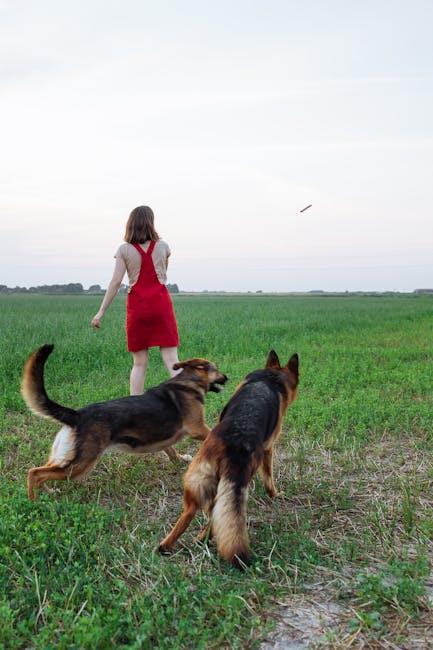
Positive reinforcement is a powerful tool in reshaping a dog’s undesirable behaviors. By rewarding good behavior, we can gradually replace bad habits with more acceptable actions. This approach not only encourages learning but also fosters a stronger bond between you and your pet. Here’s how you can effectively utilize reward-based training:
- Identify the Trigger: Understand what prompts your dog’s bad habit. Is it boredom, anxiety, or something else? Recognizing the trigger is the first step in addressing the behavior.
- Choose the Right Reward: Whether it’s a treat, a favorite toy, or verbal praise, ensure the reward is something your dog truly values. This will make the training more effective.
- Consistency is Key: Be consistent with your rewards. Reward the good behavior every time it occurs, especially in the early stages of training.
- Patience and Persistence: Change won’t happen overnight. Be patient and persistent, and remember that every small step forward is progress.
By transforming bad habits with a reward-based approach, not only do we create a positive learning environment for our dogs, but we also nurture a sense of trust and understanding. It’s a win-win for both you and your furry friend!
Practical Tips for Implementing Positive Reinforcement Techniques
Incorporating positive reinforcement into your dog training routine can be both effective and rewarding for both you and your furry friend. To start, it’s essential to identify what motivates your dog. Treats, toys, and praise are common incentives that can encourage desired behaviors. Once you’ve determined what works best, consistency is key. Ensure that rewards are given immediately after the desired behavior to strengthen the association.
- Consistency is Crucial: Reinforce the desired behavior every time it occurs to establish a clear connection.
- Timing Matters: Deliver rewards promptly so your dog can easily link the action with the reward.
- Vary Rewards: Keep your dog engaged by mixing up the types of rewards, such as switching between treats and playtime.
- Stay Patient: Change takes time. Be patient and understanding as your dog learns and adapts.
Remember, patience and persistence are your allies in this journey. By maintaining a positive and supportive environment, you’re more likely to see lasting changes in your dog’s behavior.

Common Mistakes to Avoid in Positive Reinforcement Training
When embarking on the journey of using positive reinforcement to reshape your dog’s habits, it’s easy to stumble upon a few common pitfalls. One frequent mistake is inconsistency. Consistency is key to effective training; if you reward your dog for the same behavior sometimes but not others, it can lead to confusion and delay progress. Ensure that all family members are on the same page, using the same cues and rewarding the desired behaviors consistently.
Another trap is timing the reward poorly. The effectiveness of positive reinforcement largely depends on the immediacy of the reward. If there’s a delay, your dog might not associate the reward with the correct behavior. Aim to reward within seconds of the desired action. Additionally, over-reliance on treats can become a crutch. While treats are a powerful motivator, integrating other forms of rewards, such as verbal praise or playtime, can create a more balanced approach. By avoiding these common mistakes, you’ll set a solid foundation for nurturing good habits in your furry friend.