Training your dog to stop chasing cars and bikes is an essential step in ensuring their safety and fostering a harmonious environment for both your pet and those around them. This behavior, often rooted in instinctual drives and heightened excitement, can pose significant risks not only to your dog but also to drivers, cyclists, and pedestrians. In this article, we will explore effective strategies and techniques to curb this potentially dangerous habit. By understanding the underlying motivations for your dog’s behavior and implementing consistent training methods, you can guide your furry friend towards safer and more controlled reactions to moving vehicles. Whether you’re a seasoned pet owner or a first-time dog parent, these practical steps will equip you with the tools needed to promote a safer and more enjoyable experience for you and your dog.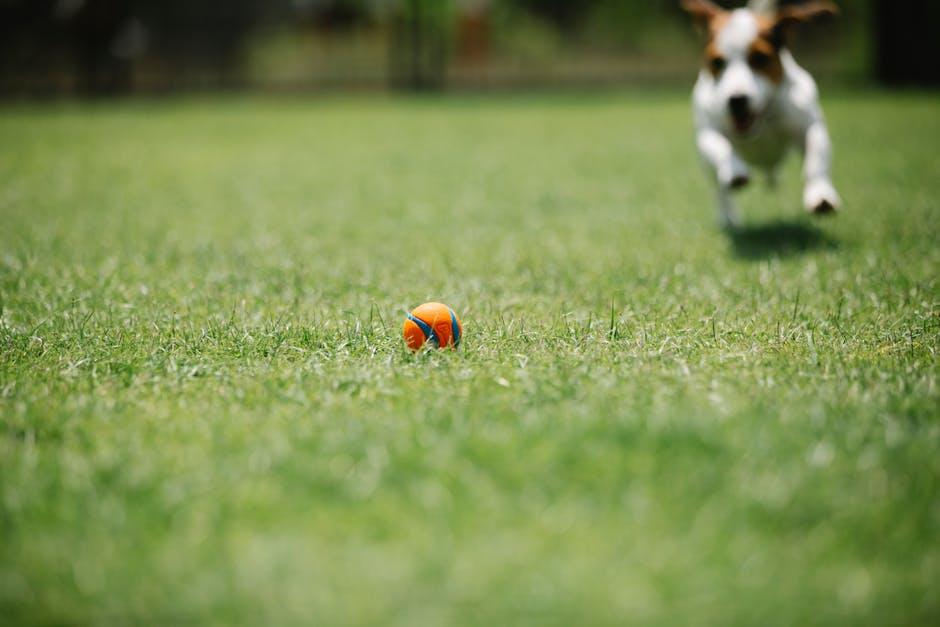
Understanding the Root Causes of Chasing Behavior
To effectively address your dog’s car and bike chasing tendencies, it’s essential to first delve into the underlying reasons for this behavior. Often, the instinct to chase is deeply ingrained and can be attributed to a dog’s natural prey drive. This drive is a remnant of their ancestral hunting instincts, where movement triggers a chase response. Another common cause is territoriality. Dogs may perceive moving vehicles as intruders encroaching on their space, prompting them to chase in an effort to protect their perceived territory.
There are also several environmental and psychological factors that can contribute to chasing behavior:
- Lack of Exercise: Dogs with pent-up energy may resort to chasing as a way to release their energy.
- Boredom: Without adequate mental stimulation, dogs might find the thrill of chasing a way to entertain themselves.
- Anxiety: Some dogs chase due to anxiety or stress, using the activity as a coping mechanism.
- Past Reinforcement: If a dog has previously received attention (positive or negative) for chasing, they might continue the behavior expecting similar reactions.
Understanding these root causes can help you tailor your training approach, ensuring it’s both effective and empathetic to your dog’s needs.
Implementing Effective Training Techniques for Distraction Control
To successfully guide your dog in resisting the urge to chase moving vehicles, it’s crucial to implement a structured and consistent training regimen. Start by establishing a strong recall command, which is essential for gaining your dog’s attention when distractions arise. Practice in a controlled environment, gradually increasing the level of distraction as your dog becomes more reliable. Incorporate high-value rewards like treats or toys to reinforce positive behavior and ensure your dog associates responding to your command with a positive outcome.
Incorporate distraction training exercises into your routine. These might include:
- Using a long leash to maintain control while allowing your dog to experience the presence of moving vehicles from a safe distance.
- Engaging in focus games, such as the “look at me” command, to redirect your dog’s attention away from the distraction.
- Gradually decreasing the distance between your dog and the vehicles, always rewarding calm behavior.
Patience and consistency are key. Remember, every dog learns at their own pace, so adjust the difficulty level of distractions based on your dog’s progress.
Utilizing Positive Reinforcement to Encourage Desired Behavior
When training your dog to resist the temptation of chasing after cars and bikes, harnessing the power of positive reinforcement can be highly effective. This approach involves rewarding your dog for exhibiting calm behavior and ignoring the moving vehicles. Start by identifying a treat or reward your dog truly loves, whether it’s a tasty snack, a favorite toy, or extra playtime. Introduce this reward whenever your dog remains composed and attentive to you instead of reacting to passing vehicles. Consistency is key; every time your dog shows restraint, reinforce that behavior with your chosen reward.
To implement this strategy effectively, consider the following steps:
- Begin in a Controlled Environment: Start training in a quiet area with minimal distractions. Gradually introduce moving vehicles at a distance where your dog feels comfortable.
- Use a Leash for Safety: Always have your dog on a leash during initial training sessions to prevent any sudden dashes toward vehicles.
- Incorporate Verbal Cues: Use clear commands like “stay” or “focus” to redirect your dog’s attention back to you.
- Gradually Increase Difficulty: As your dog improves, slowly reduce the distance between them and the vehicles, while continuing to offer positive reinforcement.
By consistently applying these techniques, you can help your dog develop the self-control needed to ignore the allure of chasing after cars and bikes, ensuring their safety and your peace of mind.
Ensuring Consistent Practice and Patience in Training Sessions
Maintaining a steady rhythm in your training regimen is crucial for success. Begin by establishing a routine; dedicate a specific time each day for training to help your dog understand the seriousness of these sessions. Patience is your greatest ally. Dogs, much like humans, require time to learn and adapt. When your dog chases a car or bike, avoid reprimanding them harshly; instead, redirect their attention and reward positive behavior.
- Start small: Use short sessions to keep your dog’s attention focused.
- Consistency is key: Reinforce commands consistently across different situations.
- Positive reinforcement: Praise and treats go a long way in encouraging desired behavior.
- Calm demeanor: Keep a calm and patient demeanor to avoid transmitting anxiety to your dog.
Implement these techniques with patience and persistence, and you’ll likely notice gradual improvements in your dog’s behavior. Remember, every dog learns at their own pace, so celebrate small victories and continue to reinforce positive actions over time.