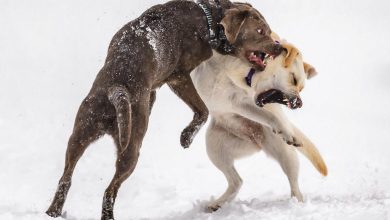
Food aggression in dogs is a common yet challenging behavior that many pet owners encounter. It manifests when a dog becomes possessive over its food, often displaying growling, snapping, or even biting to protect its meal. While this behavior can be alarming, it is important to understand that it stems from a natural instinct to guard resources. Addressing food aggression is crucial not only for the safety of everyone in the household but also for the well-being of the dog itself. This article provides a comprehensive guide on how to effectively correct food aggression in dogs, offering practical strategies and insights to help pet owners foster a peaceful and harmonious mealtime environment. By implementing these techniques, you can ensure a safer and more enjoyable experience for both you and your canine companion.
Understanding the Root Causes of Food Aggression
Food aggression in dogs is often a reflection of underlying issues that can range from instinctual behaviors to past traumatic experiences. Understanding these root causes is crucial for addressing the problem effectively. At its core, food aggression can be a natural survival instinct, where a dog feels the need to protect its food to ensure survival. This behavior is more prevalent in dogs that have experienced scarcity or competition for resources, such as those rescued from shelters or streets.
Beyond instinct, there are other factors that can contribute to this aggressive behavior:
- Lack of Socialization: Dogs that have not been adequately socialized may see their food as a rare and precious resource, leading to defensive behavior.
- Fear and Anxiety: Past negative experiences, like being bullied by other animals during meal times, can instill a sense of fear and anxiety around food.
- Medical Issues: Pain or discomfort due to medical conditions can make a dog more irritable and prone to aggression during feeding times.
Addressing these root causes with a combination of training, environment adjustments, and sometimes medical intervention is key to resolving food aggression for good.
Implementing Consistent Training Techniques
To effectively address food aggression in dogs, it’s crucial to adopt consistent training techniques that can help modify this behavior. Start by creating a structured feeding routine. Ensure that your dog knows when and where meals will occur, which can instill a sense of security and predictability. Incorporate positive reinforcement by rewarding your dog for calm behavior around food. Use treats, praise, or affection as rewards to reinforce the desired behavior.
Additionally, it’s beneficial to establish clear boundaries and rules during mealtime. Here are some tips to implement:
- Stay calm and assertive: Your demeanor sets the tone. Avoid showing frustration or fear, as this can exacerbate the aggression.
- Use a consistent command: Introduce a specific command, like “wait” or “leave it,” and practice it regularly to encourage patience and control.
- Gradual desensitization: Start by standing at a distance while your dog eats, gradually moving closer over time as they become more comfortable.
- Hand feeding: Occasionally feed your dog by hand to build trust and reduce possessiveness over their food.
Remember, patience and consistency are key. With time and effort, these techniques can significantly reduce food aggression, leading to a more harmonious relationship with your furry friend.
Creating a Safe Feeding Environment
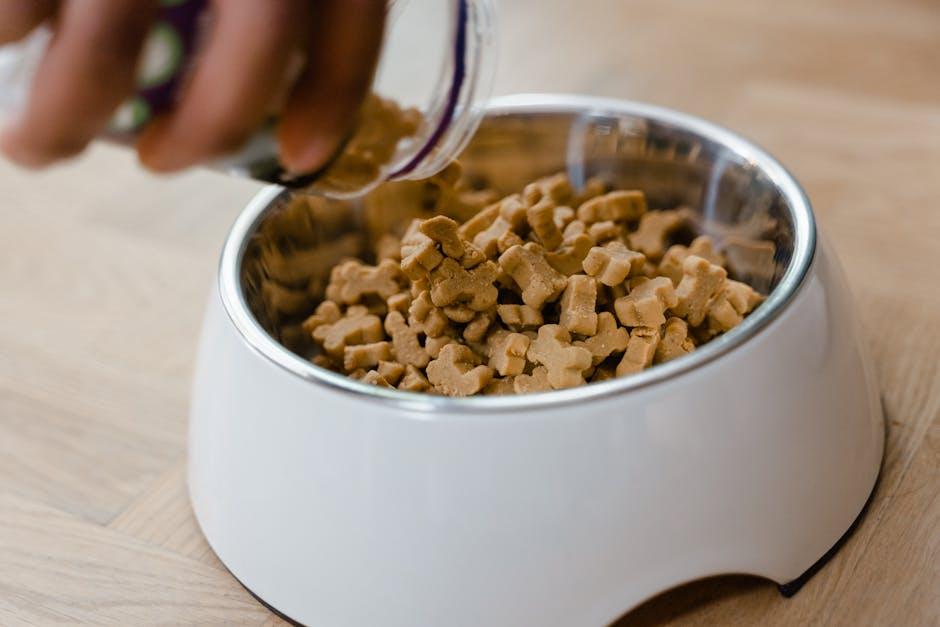
Establishing a secure and calm setting during mealtime is crucial in addressing food aggression in dogs. Start by choosing a quiet and consistent feeding area where your dog feels comfortable and undisturbed. This can significantly reduce anxiety and stress, which are often triggers for aggressive behavior. Use a non-slip mat to keep the food bowl in place, ensuring your dog has a stable feeding experience. Additionally, consider using a raised feeder if your dog is large, as this can promote better posture and digestion.
- Designate a feeding space: Consistency is key. Feed your dog in the same location to create a sense of routine and security.
- Minimize distractions: Ensure the area is free from noise and other pets to help your dog focus solely on eating.
- Maintain a calm demeanor: Your energy affects your dog. Approach feeding time with a relaxed attitude to convey safety and trust.
Remember, a peaceful environment not only supports behavioral change but also enhances your dog’s overall well-being. By providing a safe feeding atmosphere, you are setting the foundation for eliminating food aggression effectively.
Monitoring Progress and Adjusting Strategies
Once you have identified and implemented strategies to address your dog’s food aggression, it’s crucial to consistently monitor their progress and make necessary adjustments to your approach. Observe your dog’s behavior during meal times and note any changes or improvements. Look for signs of reduced anxiety or aggression, such as a calmer demeanor or a willingness to share space with others while eating.
If progress seems slow or your dog regresses, don’t be discouraged. Adjust your strategies by considering the following:
- Increase the distance between your dog and potential triggers during meal times, gradually decreasing it as they become more comfortable.
- Introduce new training techniques such as positive reinforcement or desensitization exercises to build trust and reduce fear.
- Consult with a professional trainer if you encounter persistent challenges, ensuring you are using the most effective methods for your dog’s specific needs.
Consistency and patience are key, so continue to evaluate and refine your approach as necessary to achieve long-term success in curbing food aggression.