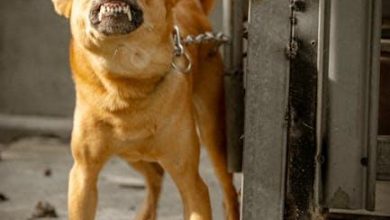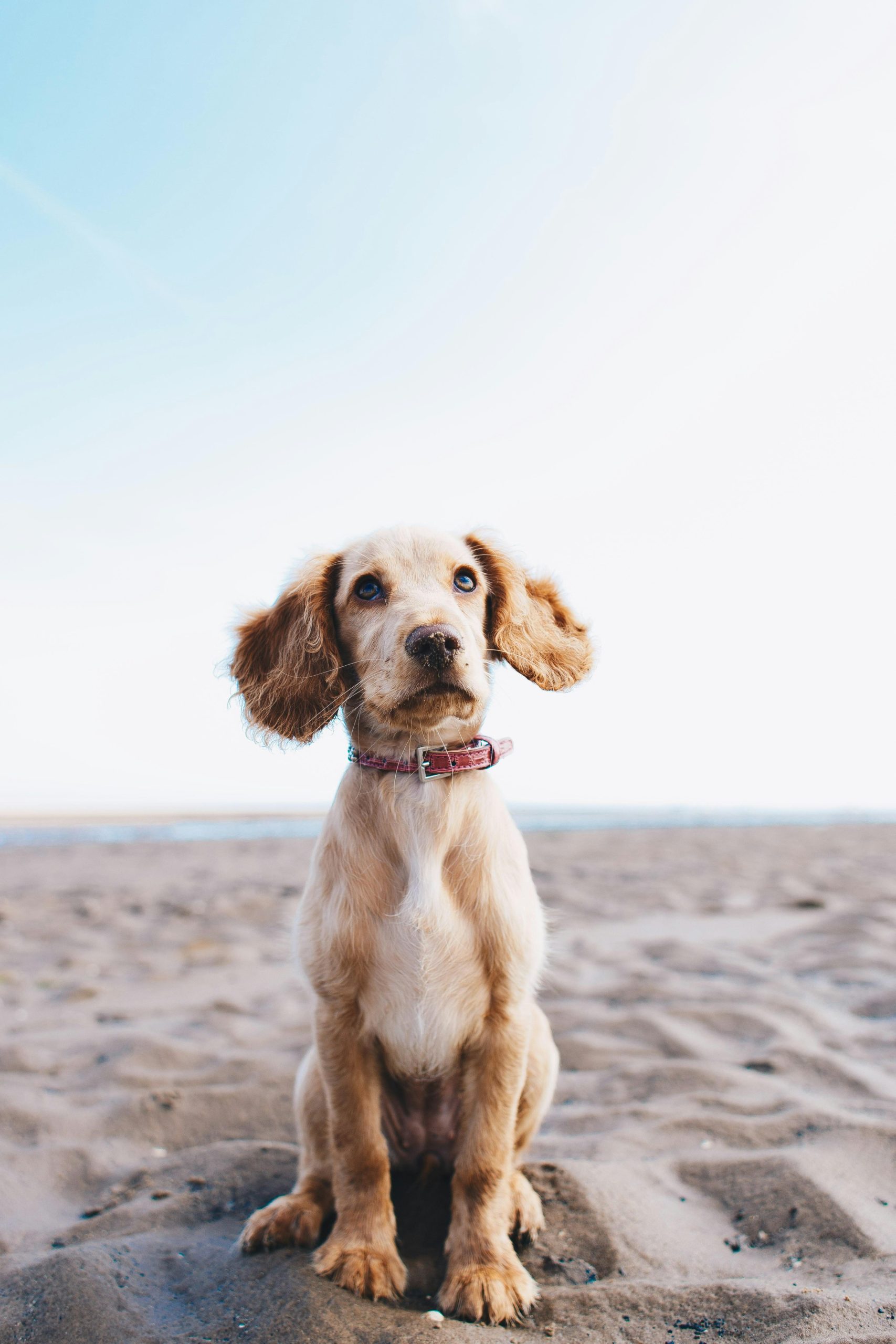
In the quiet corners of our bustling world, where the cacophony of daily life can sometimes overwhelm even the bravest among us, our four-legged companions often mirror our own struggles. Just as humans grapple with social anxiety, so too do our beloved dogs. This invisible leash, tethering them to fear and uncertainty, can transform simple outings or interactions into daunting challenges. Yet, beneath that timid exterior lies the heart of a loyal friend eager to explore and engage with the world. This article will guide you through understanding the roots of your dog’s social anxiety and offer practical, compassionate strategies to help them step confidently into the vibrant life they deserve. Join us as we embark on a journey to unlock the potential of your furry friend, transforming anxiety into assurance and solitude into social harmony.
Understanding the Roots of Canine Social Anxiety
Delving into the origins of social anxiety in dogs is essential for crafting effective strategies to ease their discomfort. Much like humans, dogs are individuals with unique personalities shaped by their experiences. A dog’s early life experiences play a significant role in their social development. Lack of proper socialization during the critical early weeks can lead to fear and anxiety in social settings. Puppies who are not exposed to various environments, people, and other animals may grow up feeling uncertain and apprehensive in new situations.
In addition to early socialization, traumatic experiences can contribute to a dog’s social anxiety. Negative interactions with other dogs or humans, or even a stressful environment, can imprint on a dog’s psyche, leading them to associate social settings with fear or discomfort. Genetics also plays a role, as certain breeds may have a predisposition to anxiety. Recognizing these root causes helps in developing a compassionate and tailored approach to managing and eventually overcoming their social anxiety.
- Early life experiences and socialization
- Negative or traumatic interactions
- Genetic predispositions

Creating a Safe and Calm Environment for Your Dog
Ensuring your furry friend feels secure is essential in addressing their social anxiety. Begin by designating a safe space within your home where your dog can retreat when feeling overwhelmed. This could be a cozy corner with their favorite bed or a designated room filled with familiar scents and comforting toys. Soft lighting and calming music can also help create a tranquil atmosphere. Implementing a consistent daily routine will provide your dog with a sense of predictability, which is crucial for minimizing anxiety.
- Provide a consistent schedule for feeding, walks, and playtime.
- Introduce calming aids such as pheromone diffusers or anxiety wraps.
- Practice gentle training techniques to build confidence and trust.
- Ensure they have a quiet area to escape from household noise and activity.
By fostering a calm and predictable environment, your dog can gradually feel more at ease and ready to tackle their social anxiety with greater resilience.
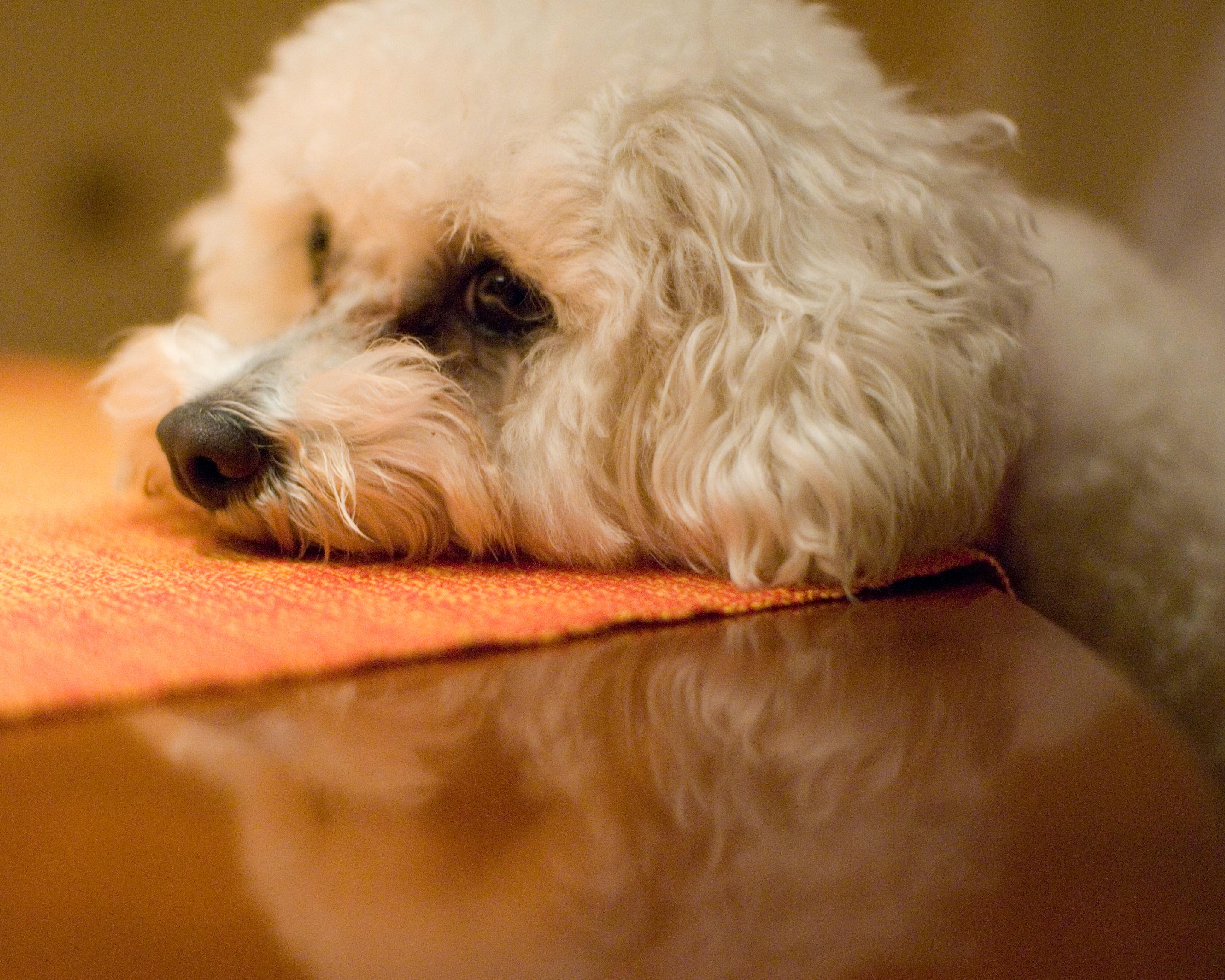
Gradual Exposure and Positive Reinforcement Techniques
Helping your dog overcome social anxiety can be a rewarding journey, and utilizing gradual exposure combined with positive reinforcement can make a significant difference. Start by identifying the specific situations that trigger your dog’s anxiety. Once you’ve pinpointed these triggers, you can begin to expose your dog to them slowly and in a controlled manner. Begin with low-intensity exposure; for example, if your dog is anxious around other dogs, start with observing other dogs from a distance where your dog feels safe.
- Create a Safe Space: Ensure your dog has a safe and quiet space to retreat to when feeling overwhelmed.
- Reward Calm Behavior: Use treats, praise, or toys to reward your dog whenever they display calm behavior in a situation that typically causes anxiety.
- Increase Exposure Gradually: Slowly increase the intensity of exposure, such as decreasing the distance to other dogs, always ensuring your dog remains comfortable.
Throughout this process, consistency is key. Always pair the exposure with positive experiences to help your dog form new, positive associations. Remember, patience and understanding go a long way in helping your furry friend build confidence and ease their social anxiety.
The Role of Professional Training and When to Seek Help
Professional training can be a pivotal step in helping your dog navigate social anxiety. These experts bring a wealth of knowledge and experience, employing specialized techniques to gradually ease your dog into social settings. Engaging with a professional can provide personalized strategies tailored to your dog’s unique needs, ensuring a more effective and compassionate approach to overcoming anxiety. Training sessions often focus on building confidence and reinforcing positive behaviors, allowing your dog to learn at their own pace.
Knowing when to seek help is crucial. If you notice persistent signs of anxiety such as:
- Excessive barking or whining
- Avoidance of other dogs or people
- Destructive behavior when left alone
- Unusual aggression or fearfulness
it might be time to consult a professional. Early intervention can prevent these issues from escalating and promote a happier, healthier life for your furry friend. Additionally, combining professional training with at-home practices can create a comprehensive support system, facilitating your dog’s journey toward overcoming social anxiety.