Separation anxiety in dogs is a common behavioral issue that can lead to distressing experiences for both pets and their owners. Understanding and addressing this condition is crucial for fostering a harmonious relationship and ensuring the well-being of our canine companions. This article delves into advanced behavior techniques designed specifically to alleviate separation anxiety in dogs. By exploring these methods, pet owners and trainers can gain insights into effective strategies that promote calmness and confidence in dogs when left alone. Whether you are a seasoned dog trainer or a concerned pet owner, this guide aims to equip you with the knowledge and tools necessary to help your dog overcome separation anxiety and improve their quality of life.
Identifying the Root Causes of Separation Anxiety in Dogs
Understanding the underlying reasons for a dog’s separation anxiety is crucial in addressing this challenging behavior effectively. Several factors may contribute to this anxiety, including:
- Genetic predisposition: Some breeds are naturally more prone to anxiety, potentially due to their historical roles or temperament.
- Early life experiences: Puppies that experience early trauma, lack of socialization, or abrupt changes in their environment can develop anxiety as they grow.
- Changes in routine: Dogs thrive on consistency, and significant changes such as moving homes, new family members, or shifts in daily schedules can trigger anxiety.
- Over-attachment: Dogs that form excessively strong bonds with their owners may struggle to cope when left alone, leading to distress.
Recognizing these root causes allows for a more tailored approach in treatment, employing strategies that address both the emotional and environmental aspects contributing to a dog’s discomfort.

Implementing Gradual Desensitization Techniques for Calmer Departures
Gradual desensitization is a proven technique to help dogs become more comfortable with the idea of being alone, thereby reducing anxiety. The process involves slowly acclimating your pet to your departures, starting with very short absences and gradually increasing the time you spend away. This method is not about tricking your dog but rather about building their confidence and trust that you will return. Consistency is key in this approach, as irregular implementation can lead to setbacks.
To effectively implement these techniques, follow these steps:
- Start Small: Begin by leaving your dog alone for just a few minutes. Gradually increase this time as they become more comfortable.
- Mix Up Your Routine: Dogs are highly perceptive and can often predict your departures. Break the routine by picking up keys without leaving or wearing your coat while staying home.
- Reward Calm Behavior: Use treats or affection to reward your dog when they remain calm during your brief absences.
- Practice Patience: Every dog is different, and progress may be slow. Be patient and adjust your approach based on your dog’s response.
Employing these techniques requires dedication but can lead to significant improvements in your dog’s behavior, ultimately making departures less stressful for both of you.
Utilizing Environmental Enrichment to Alleviate Anxiety Symptoms
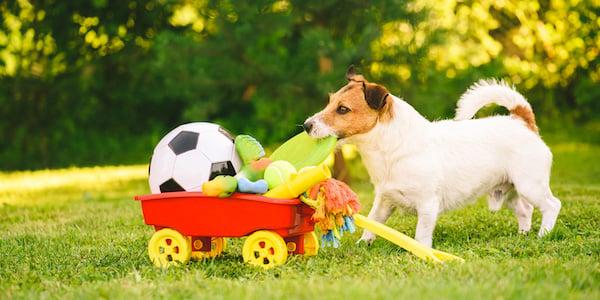
Environmental enrichment is a powerful tool in addressing separation anxiety in dogs, offering both mental stimulation and emotional relief. By creating a dynamic and engaging home environment, you can significantly reduce anxiety levels and enhance your dog’s overall well-being. Interactive toys are a great starting point; they challenge your dog’s problem-solving skills and provide a distraction from stressors. Puzzle feeders or Kong toys filled with treats can occupy your dog’s mind for extended periods, effectively diverting their attention from your absence.
Incorporating sensory experiences can also be highly beneficial. Consider introducing new scents, sounds, and textures to your dog’s environment. Use aromatherapy with calming scents like lavender or chamomile, and play soothing music designed for dogs. Regularly rotating toys and adding new elements like scratching posts or soft blankets can further enrich their surroundings. This approach not only mitigates anxiety but also fosters a sense of security and comfort, making your dog feel more at ease even when alone.

Incorporating Professional Training and Therapy Options for Long-Term Solutions
When addressing separation anxiety in dogs, leveraging a blend of professional training and therapeutic approaches can pave the way for sustainable improvements. Collaborating with a certified dog trainer or behaviorist who specializes in anxiety-related issues can be invaluable. These professionals often employ techniques such as counter-conditioning and desensitization, helping your dog gradually adjust to being alone without distress. Training sessions can be customized to target specific anxiety triggers, offering personalized strategies that align with your dog’s unique needs.
In addition to training, exploring therapy options can significantly enhance your dog’s coping mechanisms. Consider the following therapeutic interventions:
- Behavioral Therapy: This involves understanding and altering the underlying emotional responses that contribute to anxiety.
- Veterinary Consultation: In some cases, medication prescribed by a veterinarian can be a helpful adjunct to behavior modification strategies.
- Natural Remedies: Products such as calming sprays, anxiety wraps, or supplements may provide additional relief.
Integrating these professional and therapeutic options not only addresses the symptoms of separation anxiety but also fosters a healthier, more resilient emotional state in your furry companion.