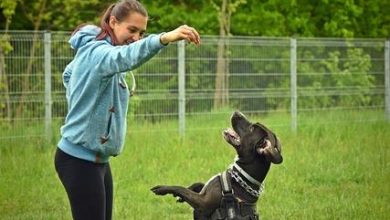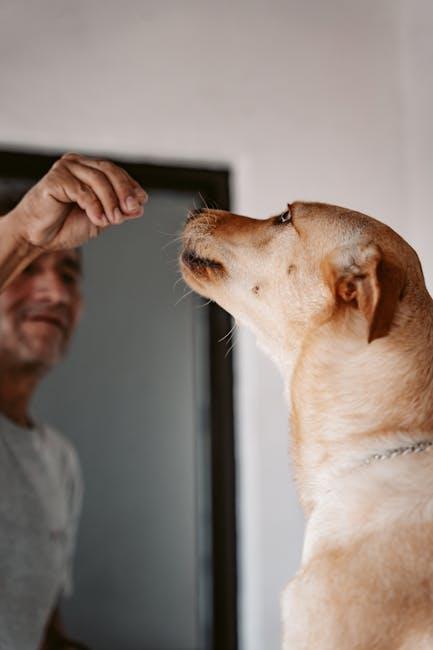
In the symphony of companionship that exists between humans and dogs, few notes strike a discordant chord quite like the exuberant leap of a four-legged friend. While this enthusiastic gesture may be a canine’s way of expressing joy or greeting, it can often lead to unintended chaos or discomfort. As dog owners, our challenge lies in channeling this boundless energy into more acceptable forms of interaction. Enter the world of positive reinforcement—a compassionate and effective approach to training that celebrates good behavior rather than punishing the unwanted. In this article, we delve into the best positive reinforcement methods to guide your furry companion away from jumping, transforming those energetic springs into moments of calm connection. Join us as we explore techniques that not only curb the jumping habit but also deepen the bond between you and your loyal friend.
Understanding Canine Behavior: The Root Causes of Jumping
Dogs often resort to jumping as a means of communication or expression, driven by a variety of underlying factors. Understanding these behaviors is crucial to effectively addressing and modifying them. At its core, jumping can be a manifestation of excitement, a desire for attention, or a simple greeting ritual. When a dog leaps to reach eye level, it’s often trying to establish a connection, much like a handshake or a hug in human interactions. Additionally, some dogs jump due to pent-up energy or as a response to specific triggers in their environment, such as the arrival of a favorite human or the sight of another dog.
Several root causes can be identified:
- Attention-seeking: Dogs may jump to capture the attention of their owners or visitors.
- Excitement and energy: High-energy breeds or young puppies might jump as an outlet for their exuberance.
- Lack of training: Without proper guidance, dogs may not understand that jumping is undesirable behavior.
- Natural instinct: Some dogs are inherently inclined to jump as part of their breed’s characteristics or social behaviors.
Recognizing these root causes is the first step in addressing the behavior through positive reinforcement techniques, allowing for a more harmonious relationship between dogs and their humans.
Mastering Timing and Consistency: Key Principles of Positive Reinforcement
Timing and consistency are the backbone of effective positive reinforcement training. When your dog jumps, it’s crucial to immediately capture the moment with a reward or praise as soon as they have all four paws on the ground. This precise timing helps your furry friend make the connection between the desired behavior and the reward. Consistency in this approach ensures that your dog understands that the reward is always tied to specific behaviors, helping to reinforce the idea that keeping paws on the ground brings good things.
To implement this effectively, consider the following tips:
- Use a consistent command: Choose a word or phrase like “off” or “down” and use it every time your dog jumps.
- Reward promptly: Have treats ready and offer them immediately when your dog follows the command, reinforcing the positive behavior.
- Be patient and persistent: Dogs learn at their own pace. Stay committed to rewarding the right behavior each time it occurs.
- Involve everyone: Ensure that all family members or housemates use the same commands and rewards to maintain consistency.
By mastering these principles, you can transform jumping into a behavior of the past, replacing it with a more controlled and polite greeting from your canine companion.

Effective Tools and Techniques: Harnessing the Power of Rewards
When it comes to curbing your dog’s enthusiasm for jumping, utilizing the right tools and techniques can make all the difference. Positive reinforcement stands out as a powerful method, offering a humane and effective way to teach your dog alternative behaviors. The cornerstone of this approach is the use of rewards that your dog finds motivating. Consider these key elements:
- Treats: High-value treats are a classic choice. Opt for small, soft treats that can be consumed quickly, allowing for rapid reinforcement of desired behaviors.
- Verbal Praise: Accompany treats with enthusiastic verbal affirmations. Your voice can be a powerful reward when delivered with genuine warmth.
- Toys: For dogs who love to play, toys can be as enticing as food. Use a favorite toy as a reward to keep your dog engaged and eager to comply.
- Clicker Training: A clicker can provide a consistent marker that signals to your dog that a reward is coming. This technique helps in building a clear communication channel between you and your pet.
Implement these tools with consistency and patience, and you’ll find that your dog quickly learns to associate keeping all four paws on the ground with positive outcomes. The key is to reinforce the behavior you want to see, rather than punishing the behavior you don’t.
Building a Jump-Free Future: Step-by-Step Training Strategies
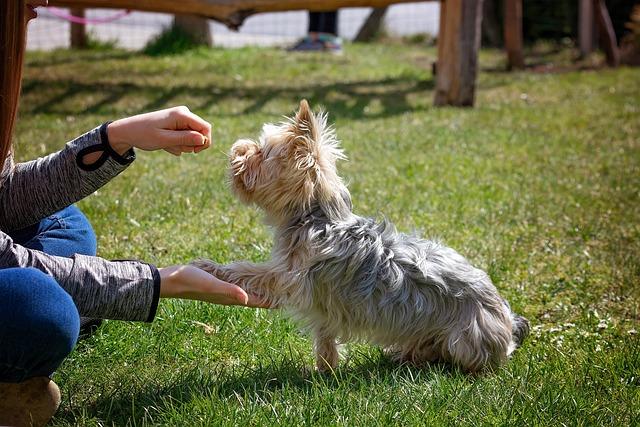
Creating a peaceful environment where your dog refrains from jumping requires patience and the right approach. A structured training regimen can make a world of difference. Start by ensuring consistency in your commands and responses. Whenever your dog attempts to jump, turn away and avoid eye contact. This teaches them that jumping does not earn them the attention they seek. Instead, reward them with treats or praise when they remain calm and keep all four paws on the ground.
- Reward Calm Behavior: Always acknowledge and reward your dog when they greet you or others calmly.
- Teach an Alternative Action: Train your dog to sit when they want attention. Consistently rewarding this behavior can replace the jumping habit.
- Engage in Regular Training Sessions: Short, frequent training sessions help reinforce positive behavior and keep your dog mentally stimulated.
By integrating these strategies into your daily routine, you can foster a more harmonious relationship with your furry friend, encouraging them to express their excitement in more acceptable ways.