Pets have long been cherished companions, offering unwavering loyalty and affection to their human counterparts. But have you ever wondered what fuels this profound bond between pets and their owners? The science behind a pet’s attachment is a fascinating blend of biology, psychology, and evolutionary history, revealing how these connections are formed and nurtured. In this article, we’ll explore the intricate mechanisms that drive your furry friend’s devotion, from the release of bonding hormones to the impact of training-still-relevant-in-modern-pet-psychology/” title=”Is Dominance Training Still Relevant in Modern Pet Psychology”>socialization and training. Join us as we delve into the heartwarming science that explains why your pet is more than just an animal—they’re a beloved member of the family.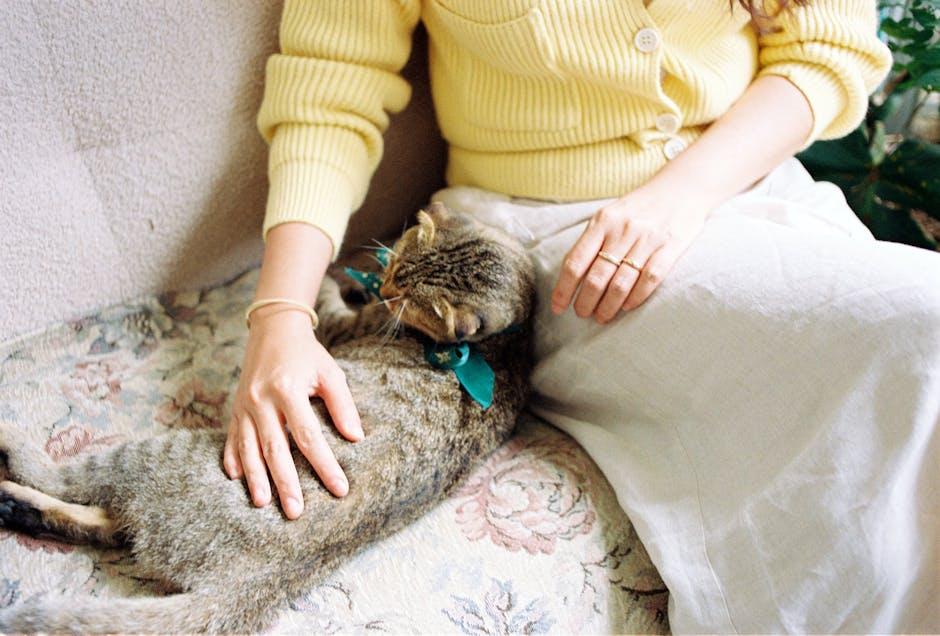
Understanding the Bond: How Pets Form Attachments to Their Humans
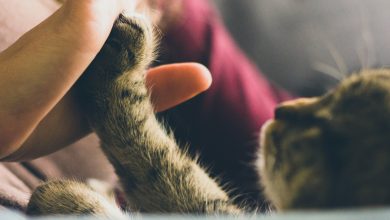
Our furry companions, whether they bark, purr, or chirp, have a remarkable capacity to form deep emotional connections with us. This attachment is not just heartwarming but also rooted in science. Pets, much like humans, experience emotional bonding through a combination of biological and environmental factors. The hormone oxytocin, often dubbed the “love hormone,” plays a pivotal role in this process. When pets interact with their owners, oxytocin levels rise in both parties, fostering a sense of trust and affection.
- Consistency and Routine: Pets thrive on routine, and consistent interaction strengthens their sense of security and attachment.
- Positive Reinforcement: Reward-based training and positive interactions build a strong, trusting relationship.
- Socialization: Regular social exposure helps pets develop healthy attachments and reduces anxiety.
Moreover, the non-verbal communication shared between pets and their humans, such as eye contact, touch, and vocal tones, further cements these bonds. This silent language helps convey love, safety, and belonging, making the bond between pets and their owners truly special and unique.
The Role of Oxytocin: Unpacking the Love Hormone in Pet-Human Relationships
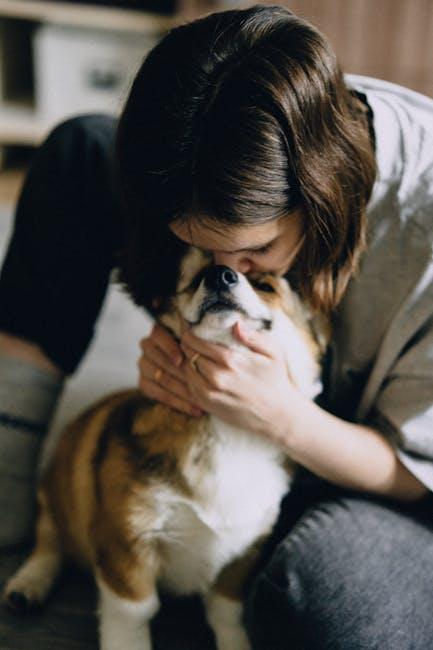
Oxytocin, often dubbed the “love hormone,” plays a pivotal role in fostering the deep bond between pets and their owners. This hormone is known for its capacity to enhance social bonding and trust, not just among humans but across species. When you cuddle with your pet, both you and your furry friend experience a surge in oxytocin levels, creating a feeling of warmth and affection. This biochemical connection is what makes those moments of eye contact or gentle petting so profoundly soothing and mutually rewarding.
- Strengthening Bonds: Regular interactions such as petting and playing release oxytocin, reinforcing the emotional connection.
- Reducing Stress: This hormone is known to lower stress levels, making both pets and humans feel more relaxed.
- Promoting Trust: Increased oxytocin fosters trust, encouraging pets to feel secure and confident in their environment.
Understanding the impact of oxytocin highlights why pets often mirror their owner’s emotions and can be incredibly attuned to their moods. It is this intricate dance of hormones and emotions that creates the unique, unwavering attachment pets have to their human companions.
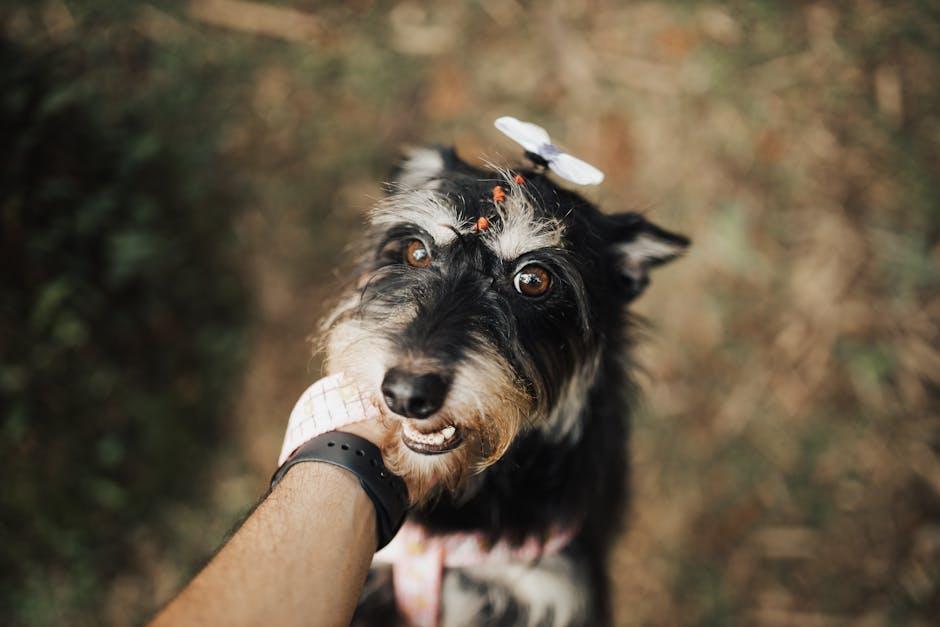
Recognizing the Signs: How to Tell If Your Pet is Attached to You
Understanding the bond between you and your pet can be both heartwarming and fascinating. Pets have unique ways of expressing their affection, and recognizing these signs can deepen your connection. One key indicator of attachment is their desire to be close to you. This could manifest as them following you from room to room, or snuggling up beside you on the couch. They often seek comfort in your presence, showing that they see you as a source of security and warmth.
- Eye Contact: If your pet gazes into your eyes, it’s a sign of trust and affection. For dogs, this is akin to a human hug.
- Excitement on Your Return: Notice how your pet reacts when you come home. A wagging tail, happy chirps, or purring are all signs they missed you.
- Bringing You “Gifts”: Whether it’s a favorite toy or a caught mouse, pets often share their treasures with those they are attached to.
- Relaxed Body Language: When pets feel safe and attached, they tend to display open, relaxed body language, like a cat showing its belly or a dog laying on its back.
Being attuned to these behaviors can help you nurture your relationship, ensuring your pet feels loved and understood. Remember, each pet is unique, and their ways of showing attachment can vary widely.
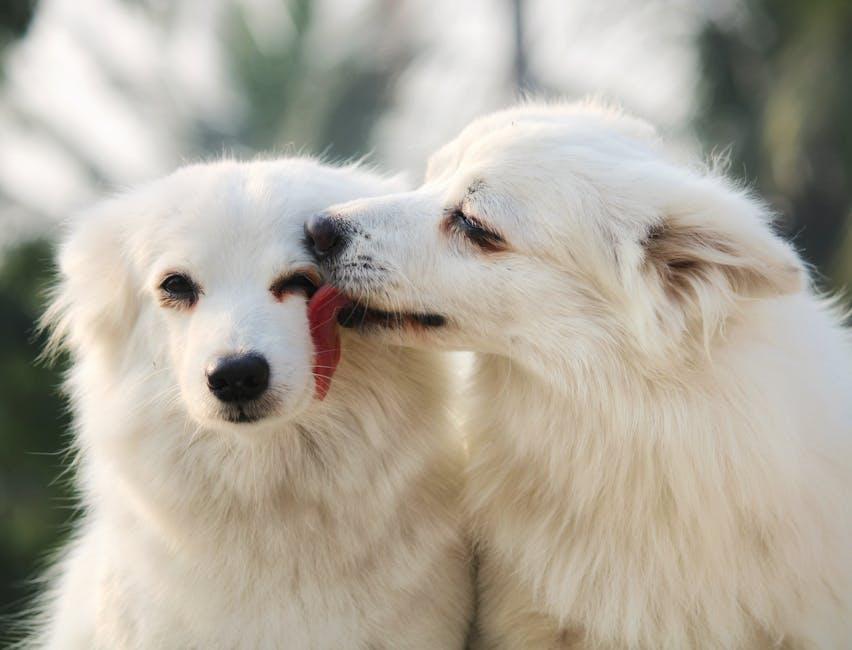
Strengthening the Connection: Tips for Deepening Your Bond with Your Pet
Understanding the bond between pets and their owners can offer insights into nurturing these relationships further. At the heart of this connection lies a fascinating interplay of biology and behavior. When you spend time with your pet, both of your brains release oxytocin, often referred to as the “love hormone.” This hormone not only boosts your mood but also strengthens feelings of trust and attachment. To make the most of this natural bond, consider incorporating activities that foster mutual engagement and joy.
- Consistent Routines: Pets thrive on predictability. Establishing a daily routine helps them feel secure and loved.
- Quality Time: Engage in activities that both you and your pet enjoy, such as playing fetch, going for walks, or simply relaxing together.
- Positive Reinforcement: Reward your pet for good behavior with treats, affection, or playtime, reinforcing a positive connection.
- Communication: Learn to understand your pet’s body language and vocal cues to respond appropriately and build trust.
By recognizing the science behind this attachment, you can enhance the quality of your interactions, ensuring a deep, lasting bond with your furry companion.