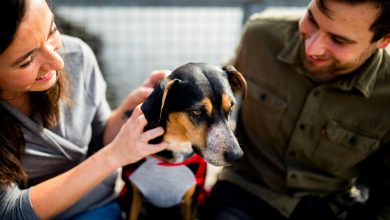
In recent years, the field of canine behavior training has evolved significantly, offering innovative solutions for addressing complex issues such as phobias in dogs. These fears can manifest in various forms, from anxiety over loud noises to trepidation around unfamiliar environments or people. Traditional training methods often fall short in effectively managing these deep-seated fears, necessitating a more advanced approach. This article delves into the realm of advanced behavior training techniques specifically designed for dogs with phobias. By understanding the underlying causes of these fears and employing scientifically-backed strategies, pet owners and trainers can work together to alleviate anxiety and improve the quality of life for their canine companions. Through a combination of expert insights and practical guidance, this piece aims to equip readers with the knowledge needed to address and overcome phobias in dogs, fostering a more harmonious and trusting relationship between pet and owner.
Understanding Canine Phobias and Their Triggers
Canine phobias are intense and persistent fears that can significantly affect a dog’s quality of life. Understanding the roots of these fears is crucial for effective behavior training. Common triggers include loud noises, unfamiliar environments, and certain human behaviors. Some dogs may react to thunderstorms, fireworks, or even the sound of household appliances. It’s important to recognize the signs of fear, such as trembling, excessive barking, or avoidance behaviors, as these are key indicators that a dog is experiencing distress.
- Loud noises: Thunderstorms, fireworks, and vacuums can cause panic.
- Unfamiliar environments: New places or changes in routine may trigger anxiety.
- Human behaviors: Raised voices or sudden movements can be perceived as threats.
By identifying these triggers, owners can work towards desensitizing their pets through gradual exposure and positive reinforcement. Utilizing calming techniques and providing a safe space can also help alleviate these fears, promoting a more relaxed and confident canine companion.
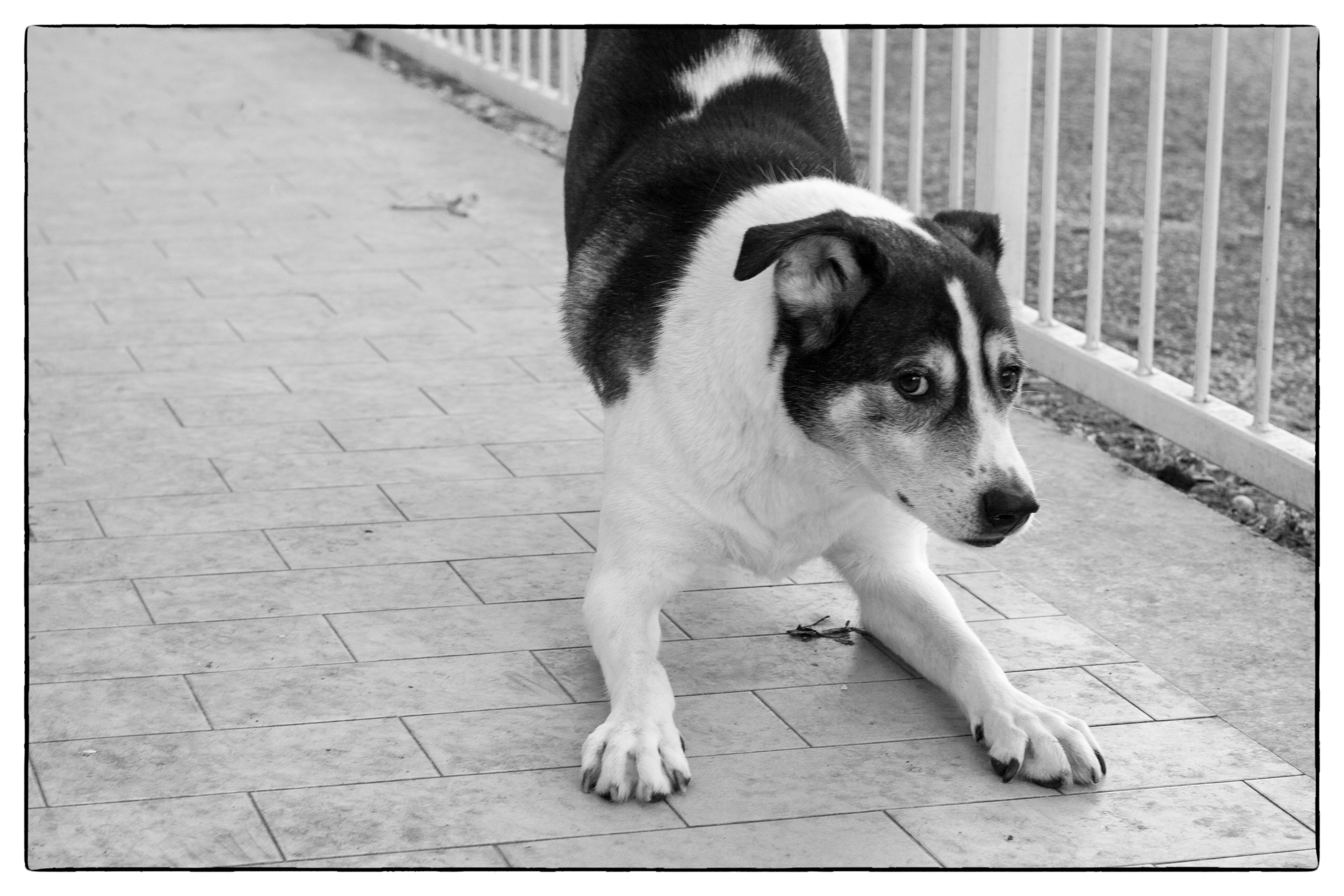
Implementing Positive Reinforcement Techniques for Fearful Dogs
When working with dogs who experience fear, employing positive reinforcement techniques can be incredibly effective. These methods focus on rewarding desired behaviors rather than punishing undesirable ones, which helps to build trust and confidence in anxious dogs. Consistency and patience are key when implementing these strategies. Start by identifying triggers that cause fear in your dog, and then work on gradually desensitizing them to these triggers. Begin with controlled, low-intensity exposure and reward your dog for calm behavior with treats, praise, or play.
- Identify Triggers: Determine what specific situations or stimuli cause fear in your dog.
- Gradual Exposure: Slowly introduce your dog to these triggers in a controlled environment.
- Reward Calmness: Use treats or toys to reward your dog when they remain calm in the presence of their triggers.
- Build Confidence: Encourage and reward any signs of bravery or curiosity from your dog.
- Stay Consistent: Regularly practice these techniques to reinforce positive behavior.
Remember, the goal is to create a positive association with previously frightening situations. This approach not only reduces fear but also strengthens the bond between you and your dog, fostering a more trusting and confident relationship. Over time, with patience and consistent reinforcement, your dog can learn to navigate their fears more comfortably.
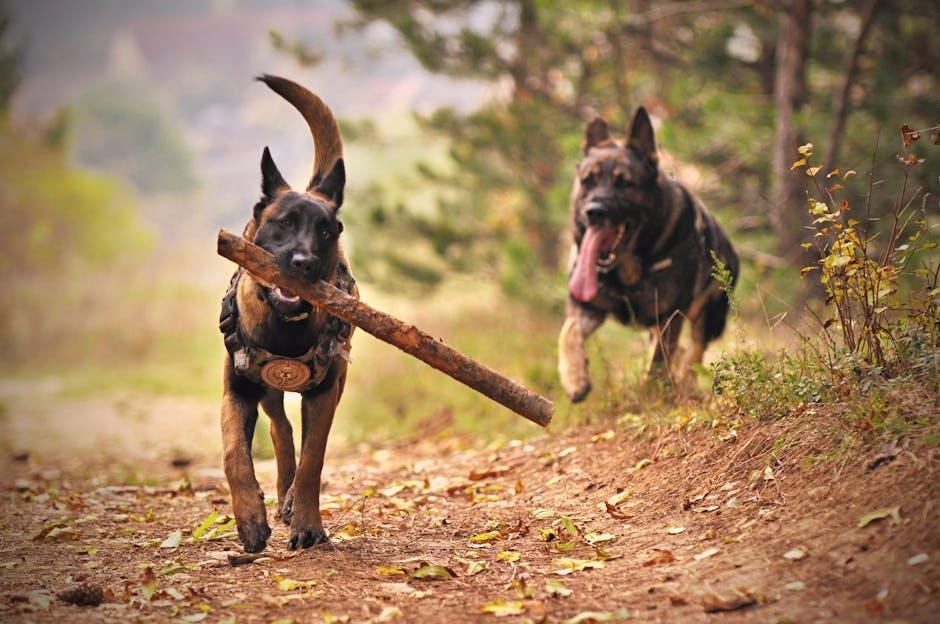
Utilizing Desensitization and Counter-Conditioning Strategies
In the realm of advanced behavior training, two pivotal techniques for addressing canine phobias are desensitization and counter-conditioning. These strategies work hand-in-hand to gradually reduce fear responses and replace them with positive associations. Desensitization involves exposing your dog to the fear-inducing stimulus at a very low intensity, slowly increasing exposure as your dog becomes more comfortable. This method requires patience and a keen observation of your dog’s body language to ensure you remain below the threshold of fear.
Counter-conditioning complements this by associating the once-feared object or situation with something your dog loves, such as treats or playtime. By doing so, you effectively change the dog’s emotional response. Here are some essential steps to consider:
- Identify the specific triggers that cause fear or anxiety in your dog.
- Start with low-intensity exposure to these triggers, ensuring your dog remains calm and relaxed.
- Pair the exposure with high-value rewards, like favorite treats or toys.
- Gradually increase the intensity or proximity of the trigger while maintaining a positive experience.
- Monitor your dog’s response closely and adjust the pace as needed.
Through consistent application of these strategies, many dogs can learn to face their fears with confidence, paving the way for a more relaxed and happy life.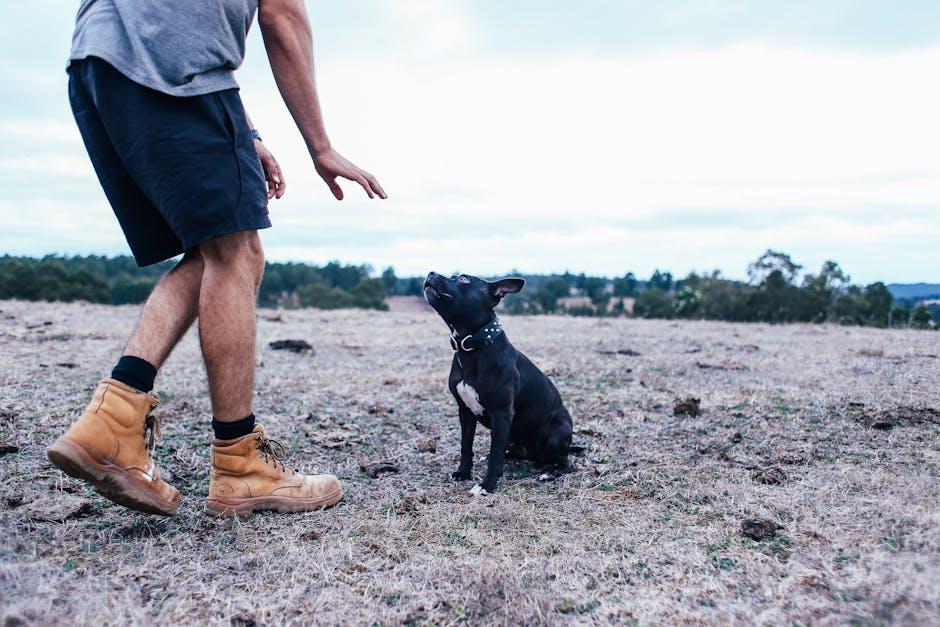
Monitoring Progress and Adjusting Training Methods
To effectively address phobias in dogs, it’s crucial to regularly evaluate the effectiveness of the training methods being employed. By systematically monitoring a dog’s progress, trainers can identify which techniques yield the best results and which may need adjustments. Keep a detailed log of the dog’s reactions and behavior changes after each session. This log should include notes on the dog’s body language, any signs of stress, and the duration of their focus during training. Over time, patterns may emerge that can guide further adjustments to the training plan.
- Observe: Regularly watch for any improvements or setbacks in the dog’s behavior.
- Document: Maintain thorough records of each session, noting both successes and challenges.
- Analyze: Periodically review the documented data to assess the overall trend in the dog’s behavior.
- Adjust: Be prepared to tweak methods, introduce new stimuli, or modify the environment based on the dog’s progress.
Adaptability is key when dealing with phobias. Some dogs may require more time and patience than others, and it’s essential to stay flexible. By being responsive to a dog’s unique needs and making informed adjustments, trainers can ensure that the path to overcoming fear is as smooth and effective as possible.