Training a dog to respect boundaries is an essential aspect of nurturing a harmonious relationship between you and your furry companion. Whether you’re trying to keep your dog out of certain rooms, away from the garden, or simply teaching them not to jump on guests, establishing clear boundaries can make life easier and more enjoyable for everyone involved. In this article, we’ll explore the best practices for training your dog to understand and respect boundaries, offering practical tips and insights that cater to both new pet owners and seasoned dog lovers alike. With a blend of patience, consistency, and positive reinforcement, you’ll be well on your way to fostering a well-behaved and respectful canine companion. So, let’s dive in and discover how to effectively communicate these important limits to your four-legged friend in a way that strengthens your bond and ensures a happy home.
Understanding Canine Behavior and Boundaries
Understanding how dogs perceive the world is crucial in establishing a harmonious living environment. Dogs, by nature, are pack animals and thrive on structure and rules. Creating clear boundaries is essential for their well-being and your peace of mind. Dogs do not inherently understand human boundaries, so it is up to us to communicate them effectively. Begin by defining what areas are off-limits and which behaviors are unacceptable. Consistency is key. Every member of the household should be on the same page to avoid confusing your furry friend.
Here are some best practices to guide you:
- Positive Reinforcement: Reward your dog with treats, praise, or playtime when they respect boundaries. This encourages them to repeat the behavior.
- Consistent Commands: Use the same words and gestures to reinforce boundaries. Whether it’s “stay,” “off,” or “leave it,” consistency helps in building understanding.
- Training Tools: Consider using barriers like baby gates or training mats to physically mark off-limit areas until your dog learns the boundaries.
- Gradual Exposure: Slowly introduce your dog to new environments and boundaries, allowing them time to adjust and learn.
- Patience and Persistence: Training takes time, and setbacks are normal. Stay patient and persistent, and your dog will eventually learn the rules.
Remember, setting boundaries is not just about restrictions but about fostering a safe and loving environment where your dog can thrive.
Creating a Safe and Structured Environment
Establishing a secure and well-ordered setting for your dog is essential in teaching them to honor boundaries. Begin by clearly marking off areas that are off-limits using physical barriers like baby gates or pet pens. This not only helps in defining spaces but also prevents your dog from wandering into restricted zones. Consistency is key; ensure all family members are on the same page regarding these boundaries to avoid confusion. Utilize positive reinforcement to encourage good behavior, rewarding your dog with treats or praise when they respect the limits set.
- Use baby gates to section off areas that are not dog-friendly.
- Implement a routine that includes regular feeding and exercise times to create structure.
- Use clear commands like “stay” or “leave it” to reinforce boundary limits.
- Reward compliance with treats, affection, or playtime to strengthen positive behavior.
It’s equally important to offer plenty of mental and physical stimulation within their allowed areas to prevent boredom, which can lead to boundary testing. Create a designated play zone with toys and activities to keep them engaged. Remember, a well-structured environment is not just about restrictions; it’s about creating a balanced space where your dog feels secure and understands what is expected of them.
Effective Communication Techniques for Boundary Training
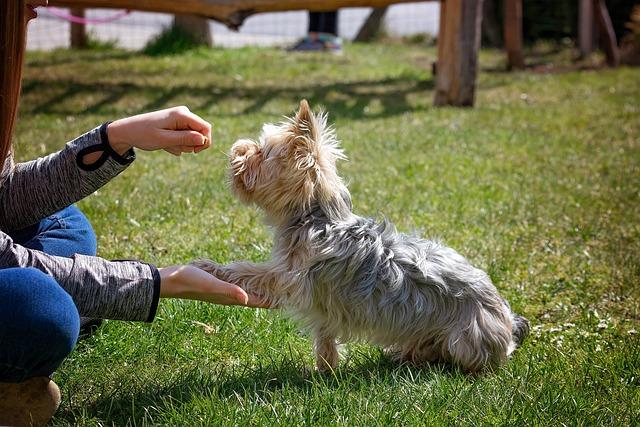
When it comes to training your furry friend to respect boundaries, effective communication is key. Understanding your dog’s body language and signals can make a significant difference. Clear and consistent commands are essential, as they help your dog understand what is expected of them. Utilize short and simple words that are easy for your dog to recognize and remember. Consistency in your tone and body language will also reinforce the training process.
Here are some effective techniques to enhance your communication with your dog:
- Use Visual Cues: Incorporate hand signals along with verbal commands to create a multi-sensory experience.
- Positive Reinforcement: Reward your dog with treats or praise whenever they respond correctly to a command.
- Timing is Everything: Provide immediate feedback to help your dog associate actions with outcomes.
- Be Patient and Consistent: Dogs learn at their own pace; maintain a steady routine to ensure they grasp the concept of boundaries.
Positive Reinforcement Strategies for Long-Term Success
- Consistency is Key: Dogs thrive on routine, and consistent reinforcement helps them understand what is expected. Use the same commands and rewards every time your dog respects a boundary. This repetition strengthens their understanding and encourages them to behave appropriately in similar situations.
- Reward the Good, Ignore the Bad: Focus on acknowledging and rewarding positive behavior rather than punishing mistakes. When your dog respects a boundary, immediately provide a treat, praise, or affection. This positive reinforcement makes the desired behavior more appealing and encourages them to repeat it.
Implementing these strategies with patience and dedication will gradually instill a natural respect for boundaries in your dog. Celebrate small victories to maintain motivation and strengthen the bond between you and your furry friend. Remember, positive reinforcement is not just about rewards but also about creating a supportive environment where your dog feels safe and loved.