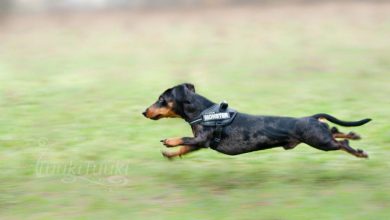
Teaching your dog to stop chasing can be a rewarding endeavor that strengthens your bond while ensuring their safety. Whether it’s squirrels, cars, or the neighbor’s cat, the instinct to chase can sometimes lead our furry friends into precarious situations. Fortunately, with a little patience and the right approach, you can guide your dog towards more controlled behavior. In this article, we’ll explore a series of quick, effective tips designed to help you manage your dog’s chasing instincts. So, grab some treats and a leash, and let’s embark on this journey together to foster a more harmonious and secure environment for both you and your beloved pet.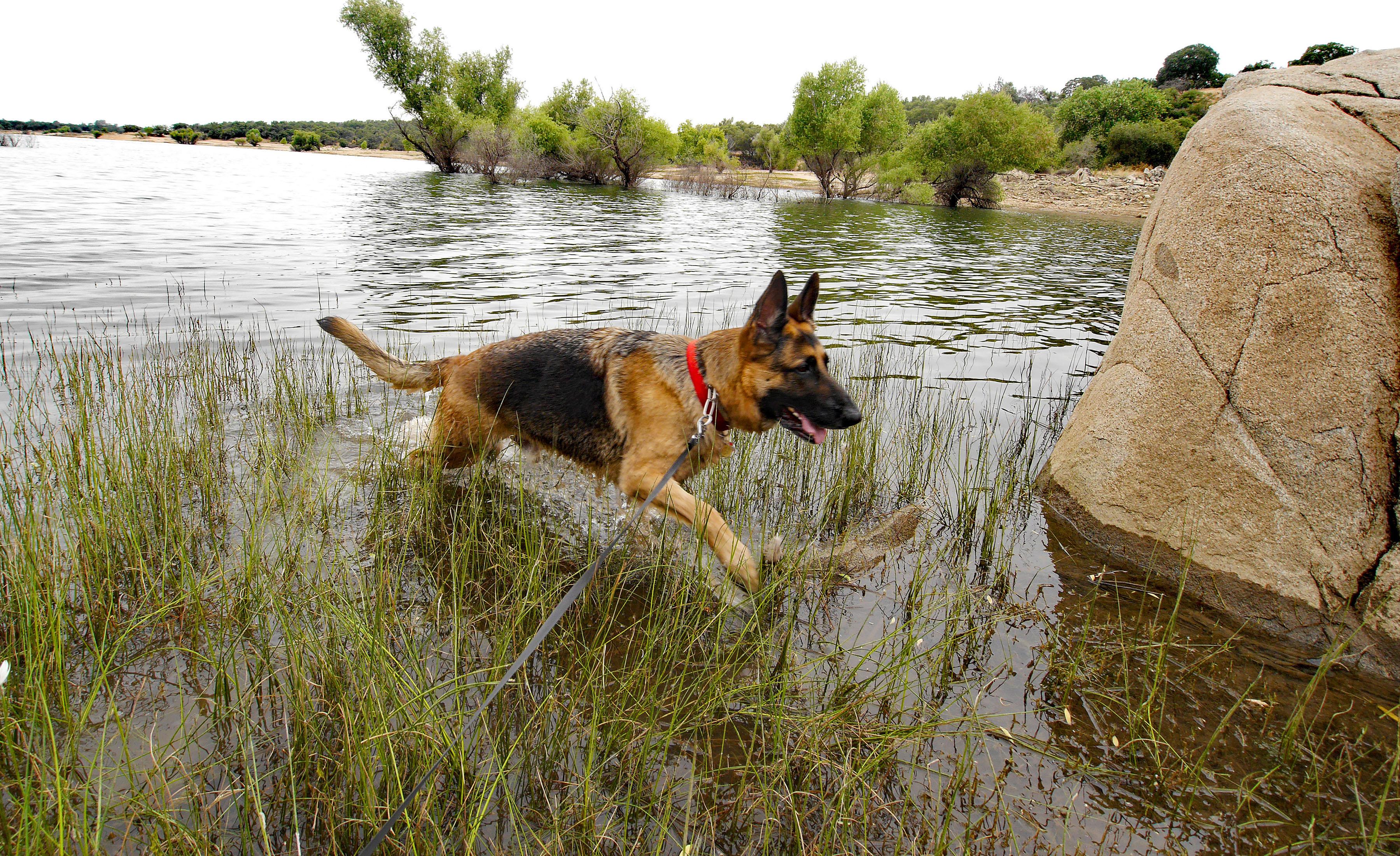
Understanding the Chase: Why Dogs Love the Thrill
Dogs have an innate instinct to chase, a behavior deeply rooted in their ancestry as hunters and protectors. This drive is not just about the thrill of the pursuit but also about fulfilling their natural instincts. Understanding this behavior can help you address it effectively. Here are some key reasons why dogs love the chase:
- Instinctual Behavior: Chasing is a natural instinct for dogs, stemming from their wild ancestors who needed to hunt for survival.
- Stimulation and Exercise: The act of chasing provides both mental and physical stimulation, offering an excellent outlet for their energy.
- Social Interaction: Chasing can be a playful activity that encourages social bonding with other dogs or humans.
By understanding these motivations, you can better tailor your training approach to help your dog control their chasing behavior while still allowing them to enjoy their natural instincts in a safe and controlled manner.
Creating a Safe Environment: Essential Preparations for Training
Before embarking on the journey to teach your dog to stop chasing, it’s crucial to ensure that the training environment is both safe and conducive to learning. Here are some essential preparations to consider:
- Secure the Area: Ensure that the training space is enclosed or fenced to prevent your dog from running into potentially dangerous areas. This also minimizes distractions, allowing your dog to focus on the training.
- Remove Hazards: Check the area for any objects or substances that could be harmful to your dog. This includes sharp objects, toxic plants, and small items that could be swallowed.
- Gather Necessary Tools: Have a leash, harness, and treats ready. These tools are essential for guiding your dog and rewarding good behavior, reinforcing the training effectively.
Creating a safe training environment not only protects your dog but also sets the stage for a more productive and enjoyable learning experience. By taking these preparatory steps, you can focus on teaching your dog the new behavior without unnecessary interruptions or risks.
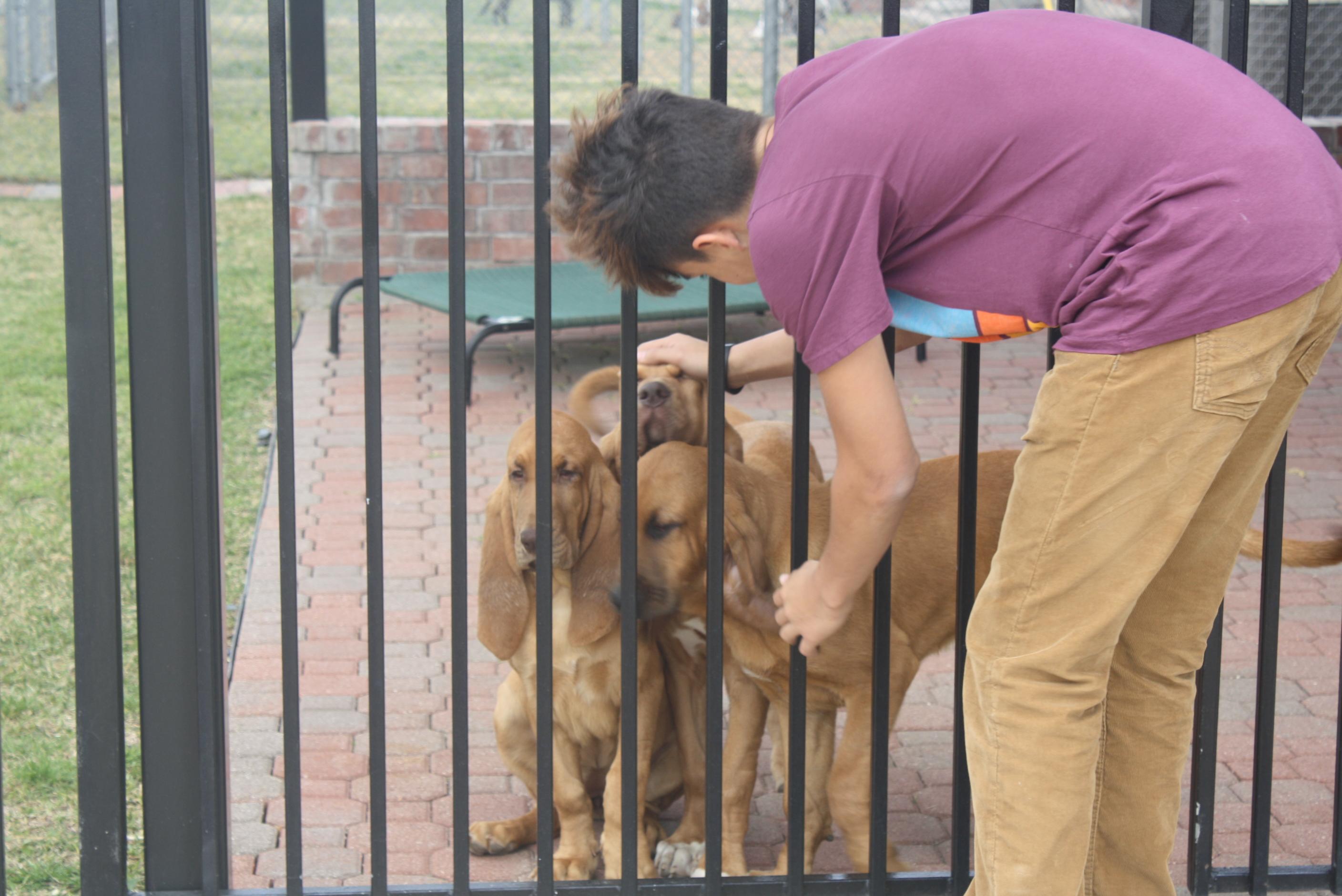
Effective Commands and Techniques: Mastering the Art of Distraction
To master the art of distraction and guide your furry friend away from the habit of chasing, employing effective commands and techniques is key. Begin by introducing a solid recall command. This could be as simple as “come” or “here,” but consistency is crucial. Ensure that your dog associates this command with positive experiences. Whenever they respond correctly, reward them generously with their favorite treat or toy.
In addition to recall, use diversion tactics to shift their focus. Consider the following methods:
- Redirection: When your dog shows signs of chasing, redirect their attention with a toy or engaging activity.
- Clicker Training: Use a clicker to reinforce the desired behavior, marking the moment they stop chasing and rewarding them immediately.
- Engaging Walks: During walks, keep your dog engaged with frequent changes in direction and speed, helping them focus on you rather than potential distractions.
Remember, patience and consistency are your best allies in teaching your dog to resist the chase. With these strategies, you’ll create a more harmonious environment for both you and your beloved canine companion.
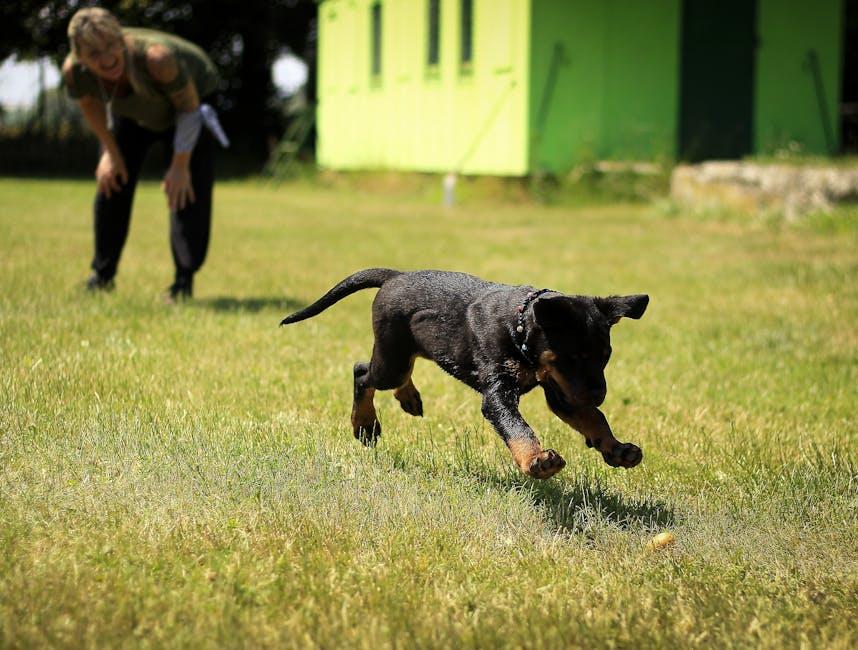
Consistency is Key: Building Trust and Reinforcing Positive Behavior
When teaching your dog to stop chasing, maintaining consistency is essential for both establishing trust and reinforcing positive behavior. Dogs thrive on routine and clear expectations, so it’s important to set boundaries and adhere to them consistently. Here are a few tips to help you achieve this:
- Set Clear Rules: Establish what behaviors are acceptable and which are not. Use the same commands each time to avoid confusing your dog.
- Positive Reinforcement: Reward your dog with treats, praise, or playtime whenever they resist the urge to chase. This encourages them to repeat the desired behavior.
- Practice Regularly: Consistent practice sessions help your dog understand and internalize the training. Make these sessions part of your daily routine.
- Be Patient: Every dog learns at their own pace. Stay patient and supportive, ensuring that your dog feels safe and understood throughout the process.
By integrating these practices into your training, you’ll not only help your dog stop chasing but also strengthen your bond through trust and understanding.