
Training your pet is an essential part of ensuring they are well-behaved and happy members of your household. Traditionally, treats have been a go-to tool for reinforcing good behavior and teaching new commands. However, some pet owners are now questioning whether treats are necessary or if there are alternative methods that might be just as effective, if not more so. In this article, we’ll explore the pros and cons of treat-free training, discuss various techniques that can be employed, and help you decide if this approach might be suitable for you and your furry friend. Whether you’re a new pet owner or a seasoned trainer, understanding the nuances of different training methods can lead to a more rewarding relationship with your pet.
Understanding the Benefits of Treat-Free Training
Embracing treat-free training can offer a myriad of advantages that enhance the bond between you and your pet while promoting a well-rounded learning experience. By focusing on positive reinforcement through verbal praise, affection, and play, you can cultivate a more intrinsic motivation for your pet to follow commands. This approach encourages them to engage and interact with you, not just for the sake of a tasty reward but because they genuinely enjoy the interaction and understand the behavior itself is rewarding.
- Enhanced Focus: Without treats as a distraction, pets can concentrate better on the task at hand, leading to quicker learning.
- Consistency: Reinforcing behaviors with praise or play is always accessible, allowing for seamless training sessions anytime, anywhere.
- Stronger Bond: Training without treats fosters a deeper connection, as pets learn to value your attention and approval over external rewards.
Building a Strong Bond Through Positive Reinforcement
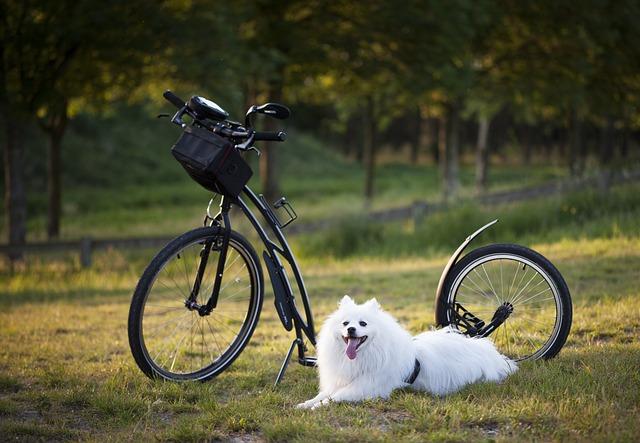
Training your pet is not just about teaching them commands; it’s about nurturing a relationship built on trust and understanding. One of the most effective ways to achieve this is through positive reinforcement. This method involves rewarding your pet for good behavior, which can significantly strengthen the bond between you and your furry friend. While treats are a popular reward, they’re not the only option. Consider using verbal praise, extra playtime, or affection as alternatives. These non-treat rewards can be just as motivating and help maintain a healthy lifestyle for your pet.
- Verbal Praise: A simple “good job” or “well done” can go a long way in reinforcing desired behaviors.
- Playtime: Engage in your pet’s favorite activities as a reward. This not only reinforces good behavior but also provides mental and physical stimulation.
- Affection: Pets thrive on attention and love. A good scratch behind the ears or a belly rub can be incredibly rewarding.
By incorporating these methods, you can create a positive training environment that emphasizes connection and mutual respect. Remember, the goal is to make training an enjoyable experience for both you and your pet.

Practical Tips for Treat-Free Training Success
Transitioning to treat-free training can be both rewarding and effective when approached with the right mindset and techniques. Consistency is key. Establish a routine that your pet can rely on, as this builds trust and understanding. Be patient and allow your pet to learn at their own pace, rewarding them with praise and affection instead of treats. Body language is a powerful tool; use it to clearly communicate your expectations and reinforce positive behavior.
- Verbal Cues: Use consistent and clear commands to guide your pet’s actions.
- Physical Affection: A gentle pat or a warm cuddle can be as rewarding as a treat.
- Playtime: Incorporate short play sessions as a reward for good behavior.
- Environmental Enrichment: Use interactive toys or puzzles to engage your pet’s mind.
Remember, the ultimate goal is to foster a deeper connection and mutual understanding between you and your pet. With patience and creativity, treat-free training can become an enriching experience for both parties.

Alternatives to Treats: Keeping Your Pet Engaged and Motivated
Engaging your pet without relying solely on treats can be both rewarding and beneficial for their overall well-being. Consider incorporating interactive toys into your routine. Puzzle toys, for instance, challenge your pet’s mind and keep them entertained for hours. Another option is to use clicker training, which focuses on positive reinforcement through sound rather than food. This technique helps to create a strong bond between you and your pet, as it emphasizes communication and understanding.
Additionally, praise and affection can be powerful motivators. A gentle pat, a cheerful voice, or a fun play session can be as effective as a treat. You can also try using playtime rewards like a quick game of fetch or tug-of-war after a successful training session. This not only reinforces good behavior but also keeps your pet physically active. By diversifying your approach, you’ll ensure your furry friend remains engaged, happy, and healthy without an over-reliance on treats.