In the world of canine companionship, where wagging tails and eager eyes speak volumes, the bond between humans and their four-legged friends often hinges on effective communication. As dog owners strive to deepen this connection, many are turning to reward-based training as a method for teaching advanced commands. This approach, rooted in positive reinforcement, has emerged as a harmonious blend of psychology and patience, offering a pathway to not only obedience but also mutual respect and understanding. In this article, we explore the nuances of reward-based training, examining how this method can transform even the most basic interactions into opportunities for growth, learning, and joy. Whether you’re a seasoned trainer or a curious pet owner, the principles and practices of this approach may just unlock new dimensions in your relationship with your dog, enriching both your lives in ways you never imagined.
Mastering the Art of Positive Reinforcement
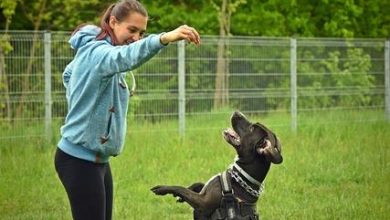
When delving into advanced commands, the secret lies in the strategic use of reward-based training. This technique hinges on the consistent application of positive reinforcement, transforming the learning process into an engaging and fulfilling experience for your canine companion. By rewarding desired behaviors, you effectively communicate to your dog which actions are beneficial, paving the way for them to comprehend and execute complex commands with enthusiasm.
- Consistency is Key: Reinforce the same behavior every time it occurs to solidify understanding.
- Timing Matters: Offer rewards immediately after the desired action to strengthen the association.
- Variety of Rewards: Utilize treats, praise, and playtime to maintain interest and motivation.
Embrace the power of patience and persistence as you guide your dog through this journey. By tailoring the rewards to suit your dog’s preferences and gradually increasing the complexity of the commands, you foster a learning environment that is both challenging and enjoyable. This approach not only builds a strong foundation for advanced training but also strengthens the bond between you and your dog, making each training session a rewarding adventure.

Unlocking Complex Behaviors Through Consistent Rewards
In the realm of canine training, the art of utilizing consistent rewards can transform a dog’s ability to grasp advanced commands. This approach, grounded in the principles of positive reinforcement, leverages the natural inclination of dogs to seek out enjoyable outcomes. By integrating a structured system of rewards, trainers can effectively communicate the desired behavior, creating a pathway for dogs to unlock complex behavioral patterns.
To harness the full potential of reward-based training, consider incorporating the following strategies:
- Timing: Deliver rewards immediately after the desired behavior to strengthen the association.
- Variety: Use a mix of treats, praise, and play to keep the dog engaged and motivated.
- Consistency: Maintain a regular reward pattern to reinforce learning and prevent confusion.
- Gradual Progression: Start with simple commands and gradually introduce more complex tasks, rewarding each step towards mastery.
By weaving these techniques into your training regimen, you can cultivate an environment where advanced commands become attainable milestones, guided by the power of consistent rewards.

Tailoring Training Techniques for Individual Canine Needs
Every dog is unique, with its own personality, learning pace, and preferences, which is why a one-size-fits-all approach to training may not always be effective. Adapting reward-based training techniques to suit individual canine needs can lead to more successful outcomes, especially when teaching advanced commands. The key is to observe and understand what motivates your dog. Some dogs may respond enthusiastically to treats, while others may be more driven by toys or praise. By identifying the right incentive, you can create a tailored training plan that keeps your dog engaged and eager to learn.
Consider the following strategies to customize your approach:
- Vary Rewards: Mix up the types of rewards to maintain interest. Alternate between high-value treats and affection, or introduce playtime as a reward for mastering a complex command.
- Adjust Training Duration: Pay attention to your dog’s attention span. Shorter, more frequent sessions might work better for some dogs, while others may thrive with longer training periods.
- Incorporate Their Interests: If your dog loves to run, incorporate movement into your training. Use their natural inclinations to your advantage, making the learning process more enjoyable and effective.
By tuning into your dog’s individual needs and preferences, you can transform training into a positive and rewarding experience for both you and your furry friend.

Crafting a Reward System That Motivates and Engages
Creating an effective reward system for teaching advanced commands to dogs requires a balance of creativity and consistency. A well-designed system not only reinforces positive behavior but also keeps your canine companion engaged and motivated. Identify the right motivators for your dog, whether it’s treats, toys, or verbal praise. Every dog is unique, so experiment with different rewards to find what excites them the most. Consistency is key, so ensure that rewards are given immediately after the desired behavior to establish a clear connection.
Consider incorporating variety into your reward system to maintain your dog’s interest. You might use a mix of the following:
- High-value treats for complex commands or tasks.
- Interactive playtime for energetic breeds.
- Affectionate gestures, like belly rubs or ear scratches.
- Short, engaging training sessions to prevent boredom.
By mixing different types of rewards and adjusting them based on the command’s difficulty, you can keep your dog enthusiastic and eager to learn new tricks. Remember, the goal is to make training a fun and rewarding experience for both you and your furry friend.