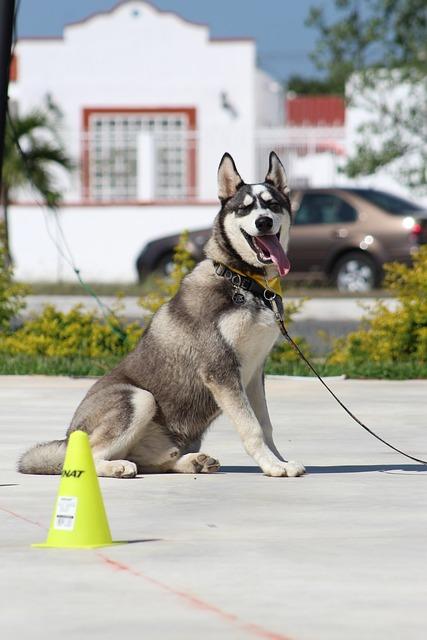
In the world of dog training, achieving mastery over basic commands is a significant milestone, but advancing to more complex directives can transform your relationship with your canine companion. One such command is the advanced sit-stay, a crucial tool for enhancing control and ensuring safety in various situations. This article delves into the nuances of mastering advanced sit-stay commands, offering practical insights and step-by-step guidance. Whether you’re a seasoned trainer or a dedicated pet owner eager to elevate your dog’s discipline, understanding these techniques will empower you to communicate more effectively with your furry friend. By integrating these advanced commands into your training repertoire, you can cultivate a more obedient and responsive dog, ultimately strengthening the bond you share.
Understanding the Psychology Behind Sit-Stay Commands
At the core of effective sit-stay commands lies an understanding of canine psychology. Dogs are social animals that thrive on structure and clear communication. They naturally seek to please their human companions, and when they understand what is expected of them, they can exhibit remarkable discipline. Consistency is key; dogs learn best when commands are delivered with the same tone and hand signals every time. This reduces confusion and helps them associate specific actions with the commands given. Reinforcement is another critical aspect. Positive reinforcement, such as treats or praise, encourages dogs to repeat the desired behavior, solidifying the command in their minds.
- Predictability: Dogs feel more secure when they know what to expect. Maintaining a routine during training sessions can enhance their ability to learn.
- Body Language: Dogs are highly attuned to non-verbal cues. Aligning your body language with verbal commands can enhance communication.
- Patience: Just like humans, dogs require time to learn new skills. Patience and persistence are essential in mastering advanced sit-stay commands.
Techniques for Reinforcing Consistency and Reliability
Achieving consistent and reliable responses to the sit-stay command requires a blend of patience, practice, and strategic reinforcement. Positive reinforcement is key; rewarding your dog for successful attempts with treats, praise, or playtime helps solidify the behavior. It’s important to gradually increase the duration and complexity of the stay, ensuring your dog remains confident and engaged. To avoid confusion, use a clear and consistent cue for the command. This consistency helps your dog understand exactly what is expected every time.
Incorporating distraction training can significantly enhance reliability. Begin in a controlled environment and slowly introduce mild distractions, like a dropped toy or a passerby, gradually working up to more challenging scenarios. Regularly practice in different environments to generalize the command beyond familiar settings. Here’s a checklist to ensure consistency:
- Start with short durations and increase slowly.
- Use the same command and hand signal each time.
- Practice in various environments.
- Introduce distractions gradually.
- Always end on a positive note with praise or a reward.
By systematically building on these techniques, you’ll foster a dependable sit-stay response that stands firm in a variety of situations.

Addressing Common Challenges and Missteps
When advancing your dog’s sit-stay command, it’s common to encounter a few hurdles. Understanding these challenges can make a significant difference in training effectiveness. One frequent issue is the inconsistent duration of the stay. To address this, gradually increase the time your dog remains in the sit position, rewarding them for each successful increment. It’s essential to maintain patience and consistency throughout the process.
Another common misstep is the lack of clear cues. Ensure your verbal and hand signals are distinct and consistent. Confusion can arise if commands vary or if family members use different cues. Consider implementing the following strategies:
- Unified Commands: Decide on a specific word or phrase and stick to it across all training sessions.
- Consistent Hand Signals: Use the same hand gesture to reinforce verbal commands, enhancing understanding.
- Practice in Diverse Environments: Gradually introduce distractions to build reliability in various settings.
By addressing these challenges with clarity and patience, you’ll set a strong foundation for mastering advanced sit-stay commands.

Incorporating Sit-Stay into Real-World Scenarios
Mastering the sit-stay command is not just about obedience; it’s about ensuring safety and fostering a deeper connection with your dog. Integrating this command into everyday life can make outings and interactions smoother and more enjoyable. Here are some practical scenarios where a solid sit-stay can be incredibly beneficial:
- Crossing Busy Streets: Ensure your dog remains seated at the curb until it’s safe to cross, reducing the risk of sudden dashes into traffic.
- Grooming Sessions: Use sit-stay to keep your dog calm and still during baths or nail trims, making the process less stressful for both of you.
- Visitor Greetings: Prevent jumping or over-excitement when guests arrive by having your dog sit and stay until they are calm and ready to greet politely.
- Dining Out: When taking your dog to pet-friendly cafes, a sit-stay command helps them remain settled and well-behaved under the table.
- Veterinary Visits: Reduce anxiety and maintain control in the waiting room by having your dog sit and stay, providing a sense of security in a potentially stressful environment.
By consistently applying the sit-stay command in these situations, you enhance not only your dog’s discipline but also their ability to navigate the world with confidence and calmness.