
Training a dog that exhibits aggression toward children is a topic that requires careful consideration and a nuanced approach. This article aims to provide a comprehensive overview of the factors involved in determining whether it is safe to train such a dog and the best practices to ensure the safety of both the dog and the children involved. By examining the root causes of aggression, exploring effective training methods, and highlighting the importance of professional guidance, we will equip dog owners with the knowledge needed to make informed decisions. Whether you are a seasoned pet owner or new to the world of dog training, understanding the complexities of managing aggressive behavior is crucial for fostering a harmonious relationship between your dog and the children in their environment.
Understanding Canine Aggression: Identifying Triggers and Behavioral Patterns
When addressing aggressive behavior in dogs, especially when it involves children, understanding the underlying triggers and behavioral patterns is crucial. Canine aggression can stem from various sources, such as fear, territorial instincts, or past trauma. Observing your dog’s interactions can help identify these triggers. Common triggers may include:
- Fear or anxiety: Dogs may react aggressively when they feel threatened or cornered.
- Territoriality: Protecting their perceived space from intruders, including children.
- Pain or discomfort: Physical ailments can cause irritability and aggression.
- Lack of socialization: Limited exposure to children or unfamiliar environments.
Once the triggers are identified, behavioral patterns can be addressed through consistent training. Positive reinforcement techniques are often effective, rewarding desired behaviors while ignoring or redirecting negative ones. Professional guidance from a certified dog trainer or behaviorist can also be invaluable, ensuring the safety of both the dog and the children involved. It is essential to approach training with patience and understanding, tailoring strategies to the individual dog’s needs and history.
Effective Training Techniques: Building Trust and Ensuring Safety
When addressing canine aggression towards children, the key lies in establishing a foundation of trust and ensuring the safety of both the dog and those around it. Begin by creating a calm and controlled environment where the dog feels secure. Consistency is crucial; maintain a steady routine to help the dog understand boundaries and expectations. Implement positive reinforcement techniques, such as rewarding desired behaviors with treats or praise, to encourage a shift in behavior. It’s important to recognize the triggers that lead to aggression and work to desensitize the dog gradually, ensuring that each session ends on a positive note.
Safety measures should always be a priority. Consider the following practices:
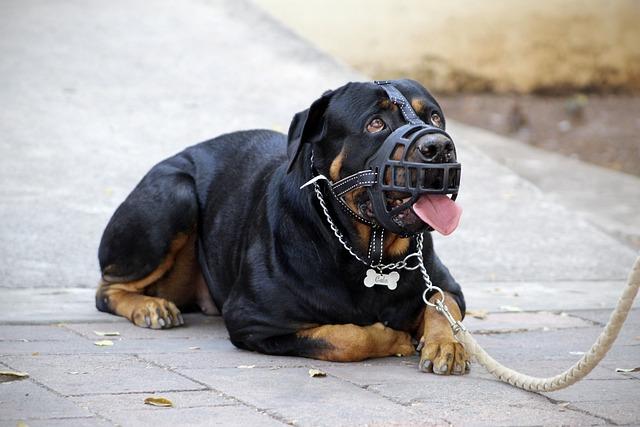
- Use a muzzle during initial training sessions to prevent potential harm.
- Ensure that training takes place in a neutral, distraction-free area.
- Employ the services of a professional dog trainer experienced in handling aggressive behavior.
- Educate children on how to interact with the dog calmly and respectfully.
By focusing on these strategies, the likelihood of successfully mitigating aggressive tendencies increases, fostering a harmonious relationship between the dog and children.
Consulting Professionals: When to Seek Expert Guidance
When dealing with a dog exhibiting aggression towards children, it’s crucial to recognize when professional help is necessary. Consulting a professional dog trainer or behaviorist can provide invaluable insights and strategies tailored to your dog’s specific needs. Here are some situations where seeking expert guidance is highly recommended:
- Persistent Aggression: If your dog consistently displays aggressive behavior despite attempts to manage it, a professional can help identify underlying triggers and develop a comprehensive training plan.
- Safety Concerns: When the safety of children is at risk, a professional can offer immediate strategies to prevent incidents and ensure a safe environment for both the dog and the children.
- Lack of Progress: If you’ve been working on behavior modification but see little to no improvement, expert intervention can provide new techniques and perspectives.
- Complex Behavioral Issues: Dogs with a history of trauma or complex behavioral issues often require the expertise of a professional to address these challenges effectively.
Ultimately, a professional can not only aid in managing the current aggressive behavior but also empower you with the knowledge and skills to foster a positive and safe relationship between your dog and children.
Creating a Safe Environment: Managing Interactions Between Dogs and Children
Ensuring the safety of both dogs and children requires careful management and understanding of their interactions. When dealing with a dog that exhibits aggressive behavior towards children, it is crucial to establish a controlled and positive environment. Begin by creating a safe space for the dog where they feel secure and can retreat when feeling overwhelmed. Use baby gates or playpens to set boundaries, allowing the dog to observe children from a distance without direct interaction. This helps in gradually building the dog’s confidence and reducing anxiety.
Key steps to manage these interactions include:
- Supervision: Always supervise interactions between dogs and children, ensuring that both parties are behaving appropriately and safely.
- Training: Implement positive reinforcement training techniques to encourage desirable behaviors in the dog. Reward calm and non-aggressive behavior when the dog is around children.
- Education: Educate children on how to approach and interact with dogs safely. Teach them to respect the dog’s space and to recognize signs of discomfort or stress in the dog.
- Professional Help: Consider seeking the guidance of a professional dog trainer or behaviorist who specializes in aggression to develop a tailored plan for managing the dog’s behavior.
By taking these steps, you can foster a safer environment where dogs and children can coexist harmoniously, minimizing the risk of aggressive incidents.