In recent years, dog owners and pet enthusiasts alike have been exploring the idea of leash-free walking as a potential method to improve canine behavior. As we navigate the bustling parks and serene trails with our furry companions, the question arises: does allowing our dogs the freedom to roam without a leash actually contribute to better behavior? In this article, we will delve into the various aspects of leash-free walking, examining its benefits and potential drawbacks. By understanding the dynamics of this approach, you’ll be equipped to make informed decisions about whether this practice might be beneficial for your four-legged friend. So, grab a cup of tea, settle in, and let’s explore the world of leash-free walking together!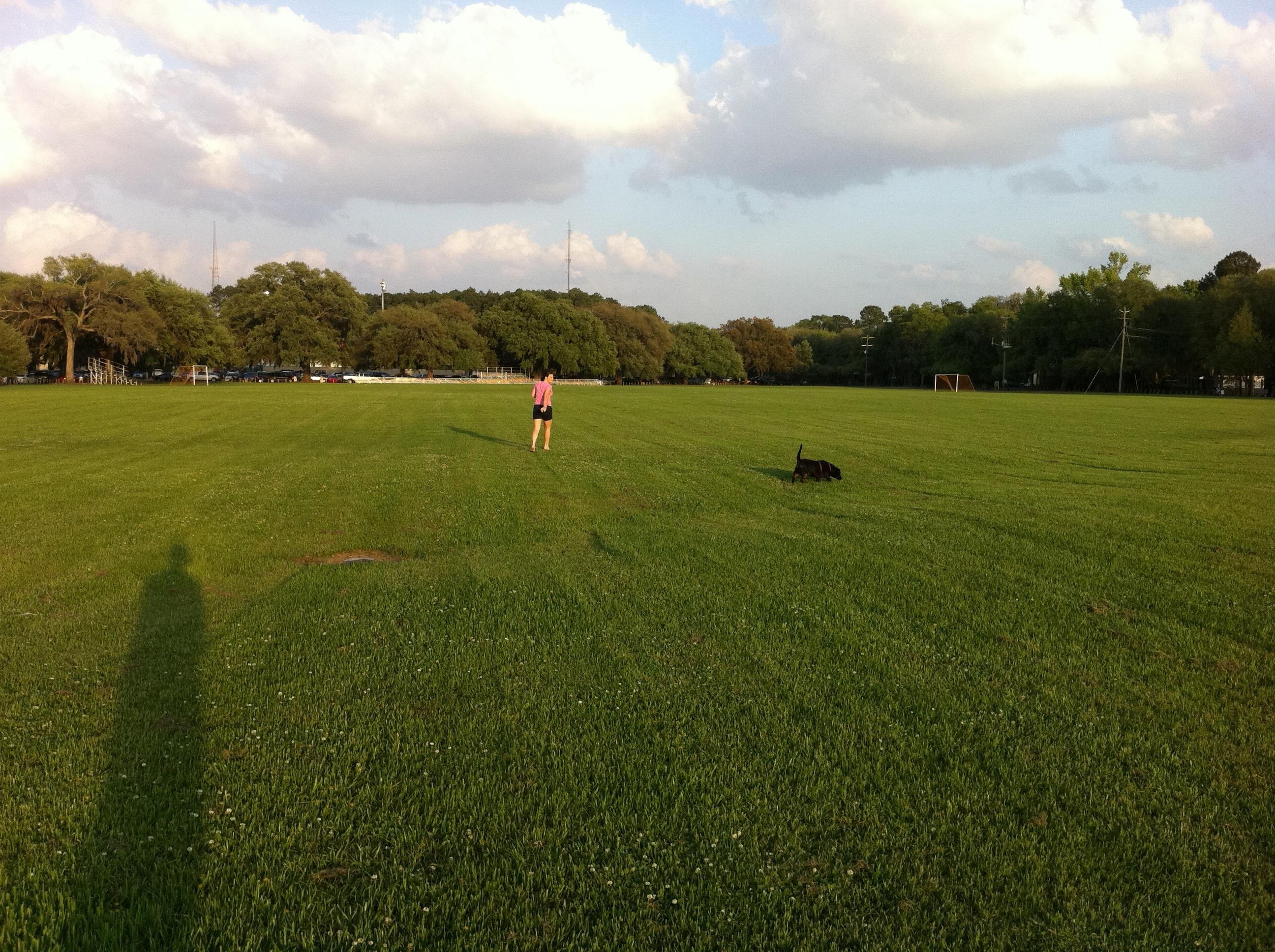
Understanding the Basics of Leash-Free Walking
Embarking on the journey of teaching your dog to walk without a leash can be both exciting and rewarding. It requires understanding the key principles that make this practice not only possible but also beneficial. At the heart of this process is trust—the mutual confidence between you and your dog. Building this trust starts with training in a safe, enclosed environment where your dog can learn to respond to your commands without the physical tether of a leash. The goal is to achieve a harmonious partnership where your dog is attentive and responsive to your cues, even amidst distractions.
Several fundamental skills can facilitate this learning process:
- Recall Training: Teach your dog to come when called, using positive reinforcement to encourage this behavior.
- Focus Exercises: Practice exercises that enhance your dog’s attention on you, such as eye contact games.
- Boundary Setting: Define clear boundaries and use verbal cues to guide your dog’s exploration.
- Consistency: Ensure that commands and expectations are consistent across all training sessions.
As you progress, gradually introduce your dog to more open spaces, always prioritizing safety and ensuring that your dog’s comfort and responsiveness are maintained. This methodical approach can help in fostering a well-behaved, leash-free companion.

Exploring the Behavioral Benefits of Off-Leash Time
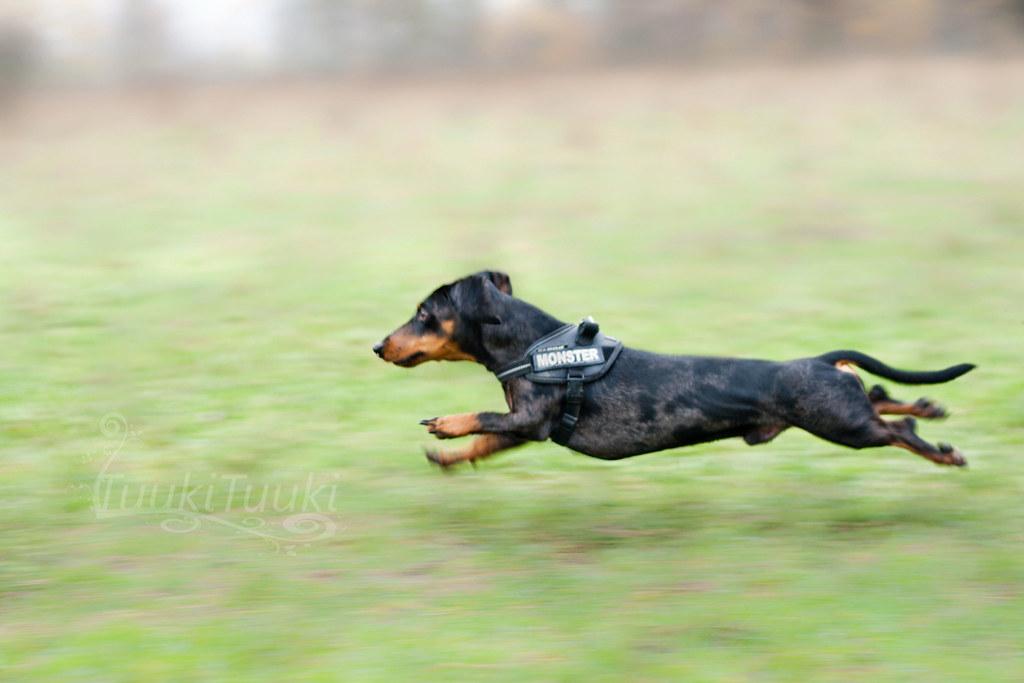
Allowing dogs to roam freely, without the confines of a leash, can significantly enhance their overall behavior. This freedom provides them with the opportunity to explore their environment and engage in natural behaviors, which can lead to a more well-rounded and balanced disposition. Off-leash time helps in reducing anxiety and stress, offering a sense of autonomy that is often restricted by a leash. Dogs learn to self-regulate their actions, which can result in improved behavior when they are back on the leash. Moreover, off-leash experiences often foster better social skills, as dogs interact more naturally with other dogs and humans.
- Improved social interactions: Dogs learn to communicate effectively with their peers.
- Increased confidence: Navigating different terrains and obstacles builds self-assurance.
- Reduced stress and anxiety: The freedom to explore their surroundings promotes relaxation.
- Enhanced obedience: Off-leash training can improve recall and other commands.
Incorporating off-leash time into a dog’s routine, when done in a safe and controlled environment, can be a valuable tool for pet owners aiming to nurture well-behaved, happy, and confident dogs. It’s important to ensure that the area is secure and that your dog is responsive to commands to maximize the benefits of this liberating experience.
Tips for Safely Transitioning to Leash-Free Walks
- Start Small: Begin by practicing in a safe, enclosed area where your dog can roam freely without potential dangers. Gradually increase the space as your dog becomes more comfortable.
- Consistency is Key: Use consistent commands and signals that your dog already knows. This helps in maintaining control and ensures your dog understands what is expected.
- Keep Treats Handy: Positive reinforcement can go a long way. Reward your dog for returning to you or obeying commands, reinforcing good behavior.
- Stay Aware: Always be mindful of your surroundings. Watch for other dogs, traffic, or potential hazards that might cause your dog to become distracted or anxious.
- Invest in a GPS Collar: For added peace of mind, consider using a GPS collar to keep track of your dog’s location during off-leash adventures.
Remember, patience is essential. Transitioning to leash-free walks is a gradual process, and every dog will adapt at their own pace. Celebrate small victories and keep the experience positive for both you and your furry friend.
Recommendations for Ensuring Positive Off-Leash Experiences
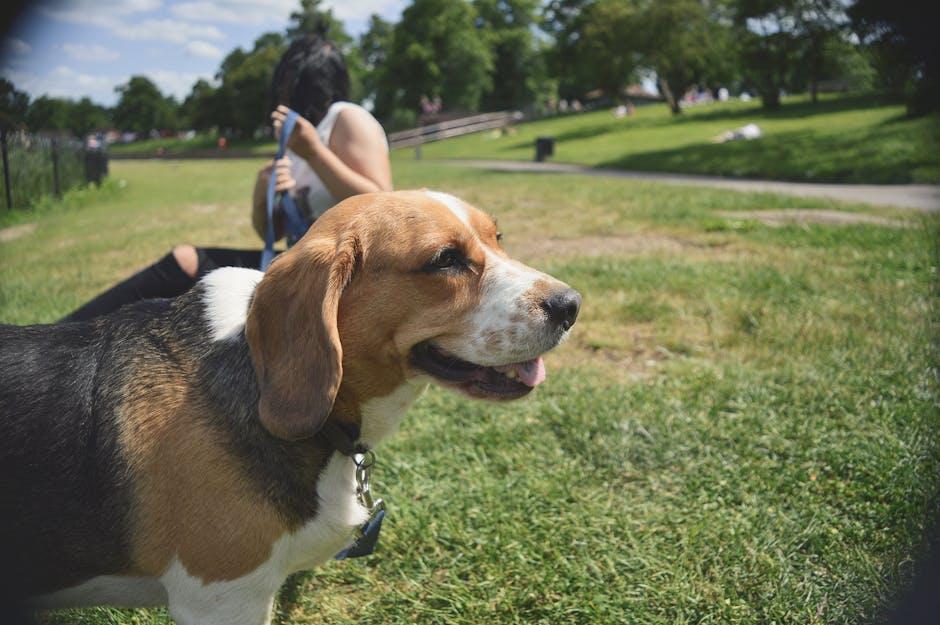
To make off-leash adventures both enjoyable and safe for everyone involved, it’s important to follow a few key practices. First, ensure your dog has a reliable recall command, which is crucial for maintaining control in various situations. Regular training sessions can reinforce this behavior and build trust between you and your furry friend. Additionally, familiarize yourself with the local regulations and designated off-leash areas, as these spaces are specifically designed for such activities and can offer a safer environment.
- Observe your dog’s behavior: Pay attention to their body language and mood. If they appear anxious or overly excited, it might be best to leash them temporarily.
- Be considerate of others: Not everyone is comfortable around dogs. Keep a respectful distance from other park-goers and their pets unless invited to approach.
- Carry essentials: Always have waste bags, a leash, and some water handy to ensure you’re prepared for any situation.
- Socialization is key: Regularly expose your dog to different environments and other dogs to improve their social skills and confidence.