Teaching your dog to wait patiently before diving into their meal is a valuable skill that can enhance their obedience and improve their behavior. This simple yet effective training exercise not only instills discipline but also strengthens the bond between you and your furry friend. In this article, we’ll guide you through the steps to teach your dog the “wait” command before eating, using positive reinforcement techniques that are both easy to follow and enjoyable for your pet. Whether you have a rambunctious puppy or a seasoned canine companion, this friendly and instructive guide will help you create a more harmonious mealtime routine. Let’s embark on this rewarding journey to make mealtimes calm, controlled, and a little bit more special for both you and your dog!
Understanding Your Dogs Natural Instincts
Dogs are naturally driven by their instincts, which have been honed over thousands of years. At the core of these instincts is their role as pack animals, where hierarchy and order are crucial. Understanding these natural tendencies can greatly assist in training your dog to wait patiently before eating. Dogs often view feeding time as an exciting event, triggering their innate urge to dive into their food. By tapping into their instinctual need for structure and discipline, you can teach them to pause and wait, reinforcing your position as the leader of the pack.
To effectively leverage these instincts, consider incorporating the following strategies into your training routine:
- Establish a Routine: Dogs thrive on consistency. Set regular feeding times to create a predictable environment that helps them understand the flow of daily activities.
- Use Commands: Simple commands like “sit” and “stay” tap into their desire to follow a leader. Consistently use these commands before feeding to establish order.
- Reward Patience: Positive reinforcement is key. Reward your dog with praise or a treat when they wait patiently, reinforcing the behavior you want to see.
- Practice Patience: Gradually increase the waiting time before giving the go-ahead to eat, building their patience over time.
By understanding and working with your dog’s natural instincts, you can foster a more harmonious relationship and cultivate good habits that will benefit both you and your furry friend.
Creating a Consistent Training Routine
Establishing a reliable training schedule is crucial when teaching your dog to wait before eating. Consistency is the key to success, as dogs thrive on routine and repetition. Begin by designating specific training times each day to reinforce the command. Morning and evening feeding times are ideal opportunities for practice, aligning training with your dog’s natural hunger cues. Make sure every family member or anyone involved in the dog’s care is on the same page to avoid mixed signals.
Consider these tips to enhance your training routine:
- Use the same command: Stick to one word or phrase like “wait” or “hold” to prevent confusion.
- Consistency in rewards: Use the same type of treat or praise each time to maintain motivation.
- Gradually increase wait time: Start with a few seconds and slowly build up to longer durations as your dog becomes more comfortable.
- Practice patience: Stay calm and patient during training sessions, as frustration can be counterproductive.
By integrating these strategies into your daily routine, you’ll create a structured and positive environment that supports your dog’s learning process.
Using Positive Reinforcement Techniques
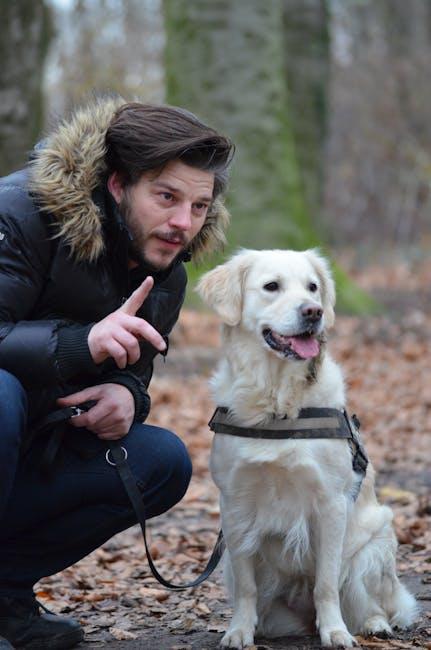
Implementing positive reinforcement is a powerful and humane way to teach your dog new behaviors. Begin by rewarding your dog for showing restraint and patience. As you prepare their meal, ask them to “wait” and reward them with a small treat if they remain calm. This teaches them that patience is a desirable behavior. Gradually increase the time they need to wait before receiving their meal, always ensuring that you reinforce their progress with praise and treats. Consistency is key, so practice this routine regularly to solidify the behavior.
- Use Treats Wisely: Ensure treats are small and healthy, as they are meant to reinforce behavior, not replace their meal.
- Stay Consistent: Practice the waiting command at every mealtime to establish a reliable habit.
- Be Patient: Each dog learns at their own pace, so remain patient and supportive throughout the training process.
Troubleshooting Common Training Challenges
Even with the best intentions and training techniques, you might encounter some hurdles along the way. Here are a few common issues and solutions:
- Impatience: If your furry friend can’t seem to stay still, try shortening the wait time initially. Gradually increase the duration as your dog becomes more accustomed to the command.
- Distraction: A busy environment can be challenging for any dog. Start training in a quiet, distraction-free area and slowly introduce more stimuli as your dog gets better at focusing.
- Inconsistency: Dogs thrive on routine and consistency. Make sure all family members use the same command and technique to avoid confusing your pet.
- Over-enthusiasm: If your dog is too excited about mealtime, work on calming exercises before practicing the wait command. Simple actions like a short walk or playtime can help expend some of that excess energy.