When you watch a dog nipping at the heels of a flock of sheep or see a cat corralling its toys with surprising precision, you might find yourself marveling at these captivating displays of herding instincts. Whether you’re a pet owner, an animal enthusiast, or simply curious about animal behavior, understanding what drives a pet’s herding instincts can offer fascinating insights into the complex interplay of genetics, environment, and training. These behaviors, rooted in the evolutionary history of our furry companions, often manifest in ways that are both practical and endearing. In this article, we’ll explore the origins of herding instincts, how they vary among different breeds, and the ways in which these behaviors can be channeled to enrich the lives of both pets and their owners. Join us as we delve into the captivating world of herding instincts, uncovering the reasons behind your pet’s seemingly innate ability to organize and control the world around them.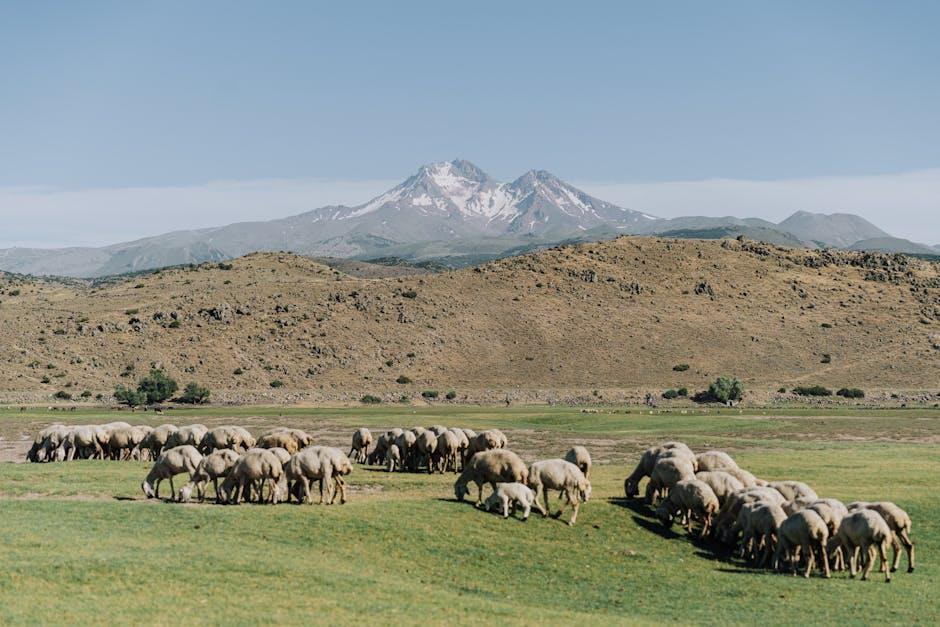
Understanding the Origins of Herding Instincts
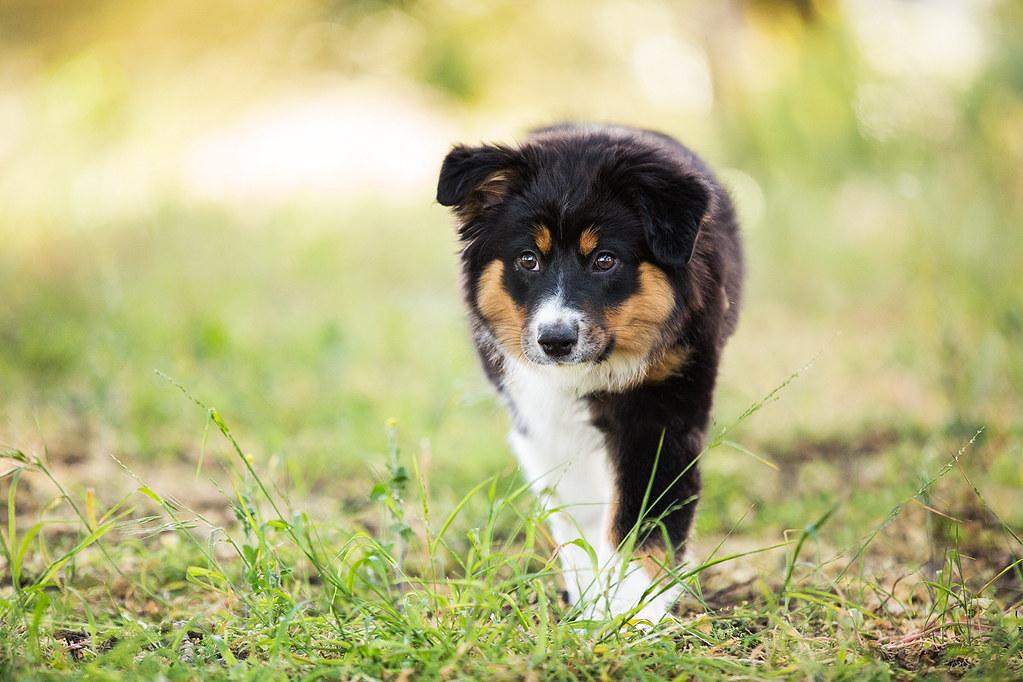
The herding instinct is deeply embedded in the DNA of certain breeds, a behavior that traces back to their ancestors’ roles in human societies. These instincts were honed over centuries, driven by the need to control and protect livestock. Breeds like Border Collies, Australian Shepherds, and Shetland Sheepdogs were selectively bred for their keen ability to gather and guide flocks, ensuring the safety and productivity of agricultural endeavors. This instinct is not just a learned behavior but an intrinsic part of their genetic makeup.
- Genetic Programming: Herding breeds have been selectively bred for specific traits, such as focus, energy, and intelligence, which are essential for managing livestock.
- Role of Environment: The environment in which these dogs were raised historically played a significant role in shaping their behavior. Open fields and the need to protect flocks from predators reinforced these instincts.
- Human Influence: Through training and human interaction, these dogs developed a symbiotic relationship with their owners, learning to respond to cues and commands, which further enhanced their natural herding abilities.
Understanding this instinct allows pet owners to better engage with their furry friends, providing activities that mimic herding tasks to satisfy their natural urges. Whether it’s through organized sports like agility and flyball or simple games of fetch, channeling these instincts can lead to a more fulfilling life for both pet and owner.

The Role of Genetics in Herding Behaviors
Genetics play a pivotal role in shaping the herding behaviors observed in many dog breeds. Over generations, selective breeding has honed the natural instincts of these animals, emphasizing traits that make them adept at managing livestock. Herding dogs like Border Collies, Australian Shepherds, and Shetland Sheepdogs are celebrated for their ability to move and control herds, skills that are deeply embedded in their genetic makeup. This predisposition is not just about instinctual movements but also involves cognitive abilities, such as problem-solving and decision-making under pressure. The way these breeds respond to certain stimuli, their inherent energy levels, and their unique focus on tasks are all influenced by their genetic lineage.
- Inherited Traits: Dogs bred for herding often possess heightened senses, agility, and an innate desire to chase and gather.
- Behavioral Patterns: These dogs display a natural tendency to follow movement with precision, reflecting centuries of selective breeding.
- Cognitive Abilities: Herding breeds are known for their intelligence, often learning commands quickly and adapting to complex situations.
Understanding the genetic factors influencing herding behaviors can help pet owners appreciate their pets’ instincts and find suitable activities that satisfy their herding needs. By channeling these instincts in positive ways, such as agility training or obedience exercises, pet owners can ensure their herding dogs remain happy and well-adjusted.

How Environment Shapes Your Pets Instincts
Our pets, much like us, are products of their environment. The natural settings in which they grow up significantly influence their instincts, particularly those related to herding. This fascinating behavior, often seen in breeds like Border Collies and Australian Shepherds, is not just an innate trait but also a response to their surroundings. Environmental factors such as space, social interaction, and routine play a pivotal role in shaping these instincts.
- Space: Pets with ample space to roam tend to develop stronger herding instincts as they mimic the behavior of organizing and directing movements within their territory.
- Social Interaction: Frequent interaction with other animals or humans can enhance their ability to work as a team, reinforcing their herding tendencies.
- Routine: A consistent schedule helps pets understand patterns, encouraging them to anticipate and manage the movements of those around them.
Understanding these environmental influences allows us to better nurture and guide our pets, helping them express their natural instincts in a healthy and balanced manner.
Training Tips to Channel Your Pets Herding Skills
Engaging your pet’s natural herding instincts can be both fun and rewarding. Here are some practical tips to help you channel these instincts effectively:
- Interactive Toys: Use puzzle toys or treat-dispensing balls to simulate the mental challenge of herding, keeping their mind sharp and focused.
- Agility Training: Set up a mini obstacle course in your backyard. Jumping through hoops and weaving through poles can mimic the dynamic movements of herding.
- Structured Play: Incorporate structured play sessions that involve fetching, retrieving, or chasing. This helps satisfy their need for control and direction.
- Obedience Commands: Reinforce basic commands like “sit,” “stay,” and “come” to ensure your pet understands boundaries and directions.
- Herding Classes: If available, consider enrolling in herding classes designed specifically for pets. These classes can provide expert guidance and allow your pet to interact with other herding animals.
Remember, every pet is unique, and while some may have a strong herding drive, others might display it in more subtle ways. Observing and understanding your pet’s behavior will help tailor these activities to their specific needs.