
Pets have long been cherished members of our families, bringing joy, companionship, and unconditional love into our homes. Yet, despite our best efforts to create a harmonious environment, we sometimes encounter unexpected behavioral challenges, such as fear and aggression, that can disrupt this bond. Understanding the connection between these two emotional responses is crucial for any pet owner striving to nurture a happy and well-adjusted animal companion. In this article, we will explore the intricate relationship between fear and aggression in pets, shedding light on the underlying causes and offering practical strategies to help manage these behaviors. Whether you are a seasoned pet owner or new to the joys of animal companionship, gaining insight into this connection will empower you to foster a more peaceful and trusting relationship with your furry friend.
Understanding the Roots of Fear and Aggression in Pets
Pets, much like humans, experience a range of emotions, with fear and aggression being closely linked. Understanding the roots of fear in pets is essential for fostering a peaceful and loving environment. Often, fear stems from unfamiliar situations or past traumatic experiences, leading pets to exhibit aggressive behaviors as a defense mechanism. Identifying these triggers can help pet owners address the root causes rather than just the symptoms. Common triggers include:
- Loud noises such as thunderstorms or fireworks
- Unfamiliar people or animals entering their space
- Past abuse or neglect, which can leave lasting psychological scars
- Medical issues causing pain or discomfort
By observing these triggers and working with a veterinarian or a pet behaviorist, owners can develop strategies to help their pets feel more secure. Techniques such as positive reinforcement, gradual desensitization, and creating a safe space can significantly reduce fear-induced aggression. Building a trusting relationship through patience and understanding is key to transforming a fearful pet into a confident and loving companion.
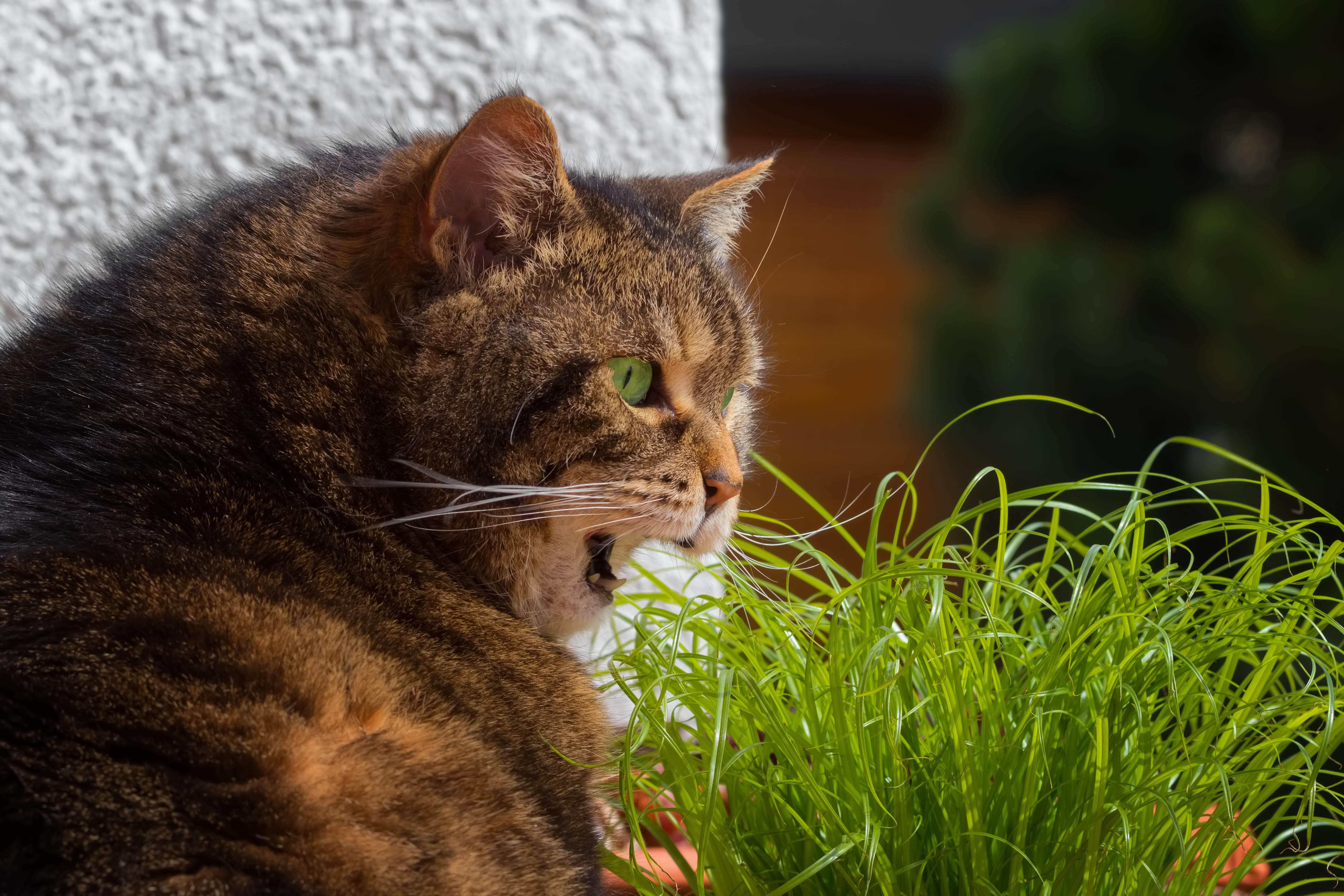
How Fear Triggers Aggressive Behaviors in Animals
When animals perceive a threat, their natural instinct is to protect themselves. This often results in a fight-or-flight response, where fear can manifest as aggression. This behavior is deeply rooted in their survival instincts. In the wild, an aggressive display might ward off predators or rival animals, thus enhancing the chances of survival. Pets, although domesticated, still retain these primal instincts, which can surface when they feel cornered or endangered.
Common triggers that can lead to fear-induced aggression in pets include:
- Unfamiliar environments or people: New surroundings or strangers can be perceived as threats.
- Loud noises: Sudden or loud sounds can startle pets, making them feel threatened.
- Past trauma: Pets with a history of abuse or neglect may react aggressively when they feel vulnerable.
Understanding these triggers is crucial for pet owners to mitigate aggressive behaviors and create a safe, comforting environment for their furry friends.
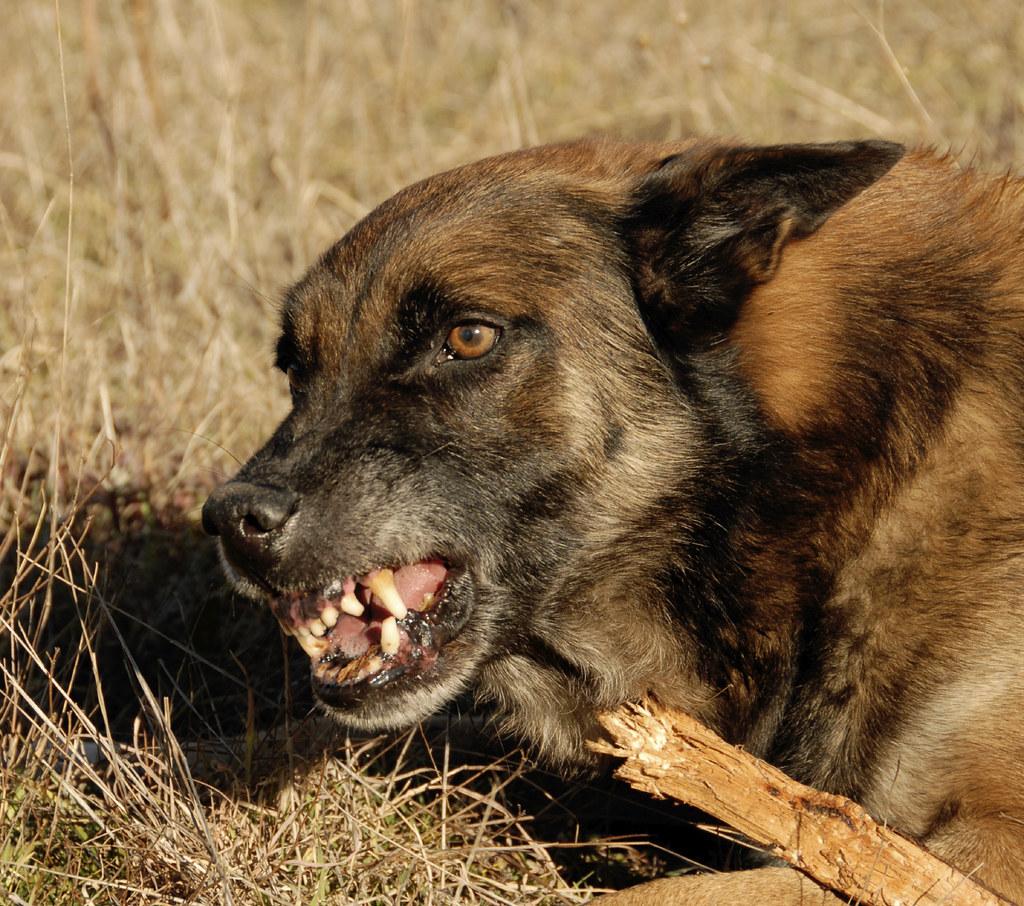
Practical Strategies for Managing Fear-Induced Aggression
When addressing fear-induced aggression in pets, it’s essential to adopt a calm and consistent approach. Begin by identifying the triggers that cause fear in your pet. This might include loud noises, unfamiliar environments, or certain individuals. Once identified, work on desensitizing your pet to these triggers through gradual exposure, ensuring that each encounter is paired with positive reinforcement. Patience is key, as rushing the process can exacerbate fear and aggression.
Consider implementing the following strategies to manage fear-induced aggression effectively:
- Environmental Management: Create a safe and comfortable space for your pet, free from stressors.
- Training and Socialization: Engage in regular training sessions to build confidence and reduce fear.
- Behavioral Support: Consult with a professional animal behaviorist if needed, for tailored strategies.
- Consistent Routine: Establish a daily routine to provide predictability and security for your pet.
By employing these strategies, you can help your pet overcome fear-induced aggression and cultivate a more harmonious relationship.

Creating a Safe and Calm Environment for Your Pet
Understanding the intricate link between fear and aggression in pets is essential for cultivating a nurturing atmosphere. Pets, much like humans, can react defensively when they perceive a threat. This reaction often stems from fear, which can manifest as aggression if not addressed properly. To create a tranquil setting for your pet, it is important to identify and minimize potential stressors. Common triggers might include loud noises, unfamiliar environments, or the presence of other animals.
- Provide a safe space: Designate a quiet area in your home where your pet can retreat to when feeling overwhelmed.
- Use calming scents: Natural scents such as lavender or chamomile can have a soothing effect.
- Consistent routines: Maintaining a regular schedule for feeding and walks helps to reduce anxiety by offering predictability.
- Positive reinforcement: Rewarding calm behavior with treats or affection encourages your pet to remain relaxed.
By implementing these strategies, you not only alleviate fear but also reduce the likelihood of aggressive responses. This harmonious environment is key to fostering a strong and trusting bond between you and your pet.